-1.png)
Chinese food is easier to understand if you stop asking for "the best dish" and start asking four practical questions: What region is it from, what format is it, how strong is the flavor, and is it an everyday comfort food or a banquet-style dish? The social posts in today’s material pool circle around the same point: overseas diners often remember Chinese food through one striking bite, while Chinese diners miss the daily dishes that do not travel well. This guide turns those scattered reactions into a simple first-time ordering map.
Key Takeaways
- Chinese food is not one flavor. Region, climate, cooking technique, and staple grain all matter.
- The traditional eight cuisines are useful as a map, but travelers should also think in formats: noodles, rice, dumplings, stir-fries, hot pot, breakfast, snacks, and soups.
- Spicy food is only one branch. Mild soups, steamed dishes, roasted meats, seafood, braised dishes, and soy-based breakfast foods are just as important.
- First-time visitors usually do better by ordering one familiar format, one regional signature, and one small surprise.
- Social reactions are useful as reader signals, not as proof. Use them to ask better questions, then check menus, local context, and your own tolerance.
How regional Chinese cuisine actually helps you order
The eight-cuisine map is useful because it reminds you that Chinese food is regional before it is generic. Public food guides such as China Highlights overview of the eight cuisines group Shandong, Sichuan, Guangdong/Cantonese, Jiangsu, Zhejiang, Fujian, Hunan, and Anhui as major classic traditions. Treat that as a learning map, not a rulebook. Restaurants, migration, and modern cities mix styles constantly.
| If the menu points toward… | Expect more of this | First-time order idea |
|---|---|---|
| Sichuan or Hunan | Chile, fragrance, fermented sauces, bold seasoning | Mapo tofu, dry-fried beans, a non-spicy vegetable side |
| Cantonese | Roasting, steaming, seafood, soups, dim sum | Roast meats, steamed fish, shrimp dumplings, congee |
| Jiangsu or Zhejiang | Softer textures, freshwater ingredients, sweetness in some sauces | Braised pork, lake fish, seasonal greens |
| Shandong or northern food | Wheat, noodles, dumplings, scallions, vinegar, seafood in coastal areas | Dumplings, hand-pulled noodles, scallion dishes |
| Guizhou or Yunnan-style local food | Sour, spicy, herbs, rice noodles, regional pickles | Rice noodles, sour soup, grilled vegetables |
This map helps most when you are overwhelmed. A traveler who dislikes numbing spice can still enjoy Chinese food by choosing Cantonese roast meats, Jiangnan-style braises, dumplings, congee, or mild noodle soups. A traveler who loves chile can compare Sichuan heat with Hunan heat instead of treating all spicy dishes as the same.
Start with format, not fame
Many social posts ask whether a dish is overrated, shocking, or loved by foreigners. That question is fun, but it is less useful than format. A bowl of rice noodles, a plate of dumplings, a hot pot table, a barbecue skewer, and a breakfast soy milk set ask different things from the diner.
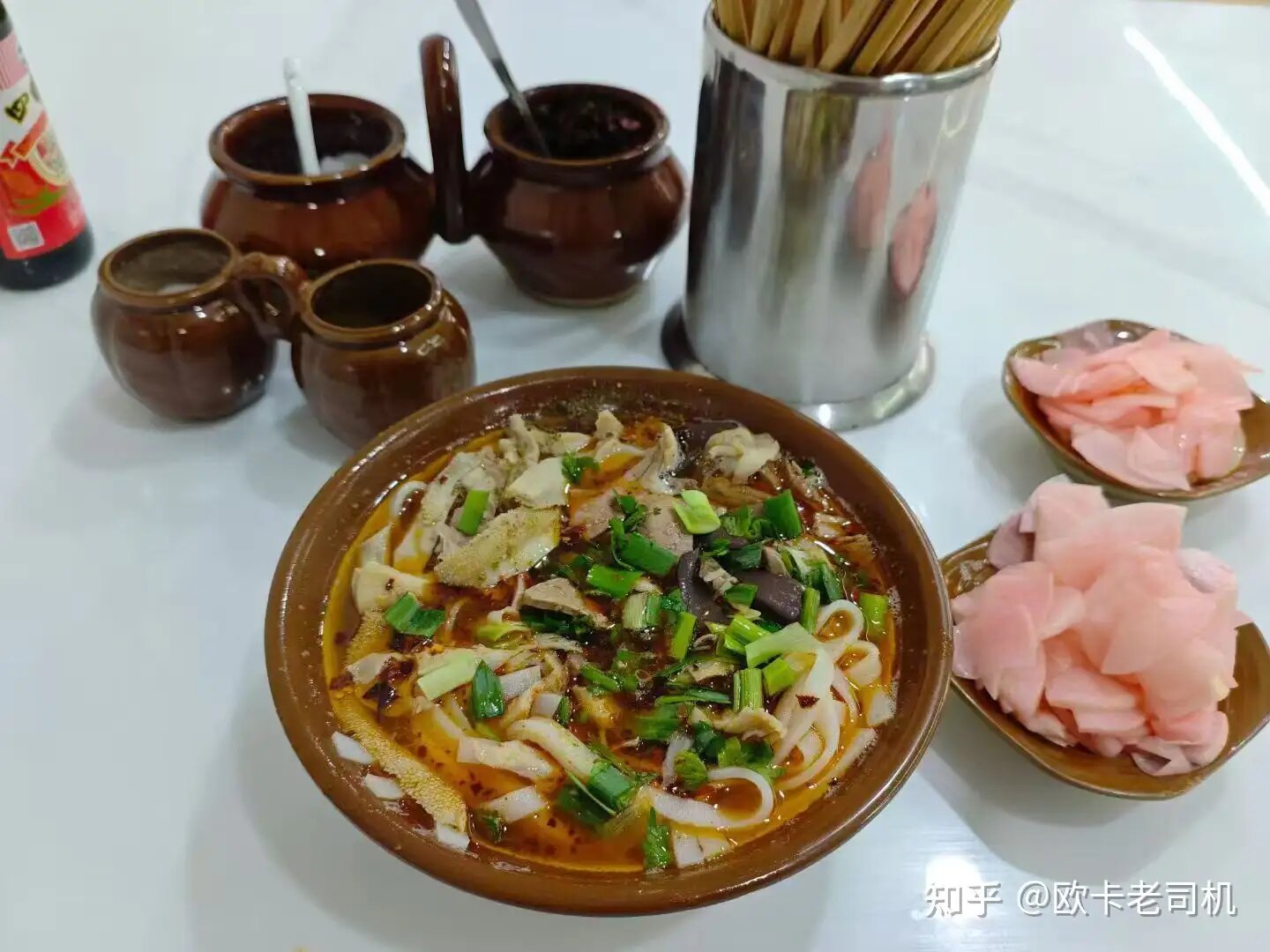
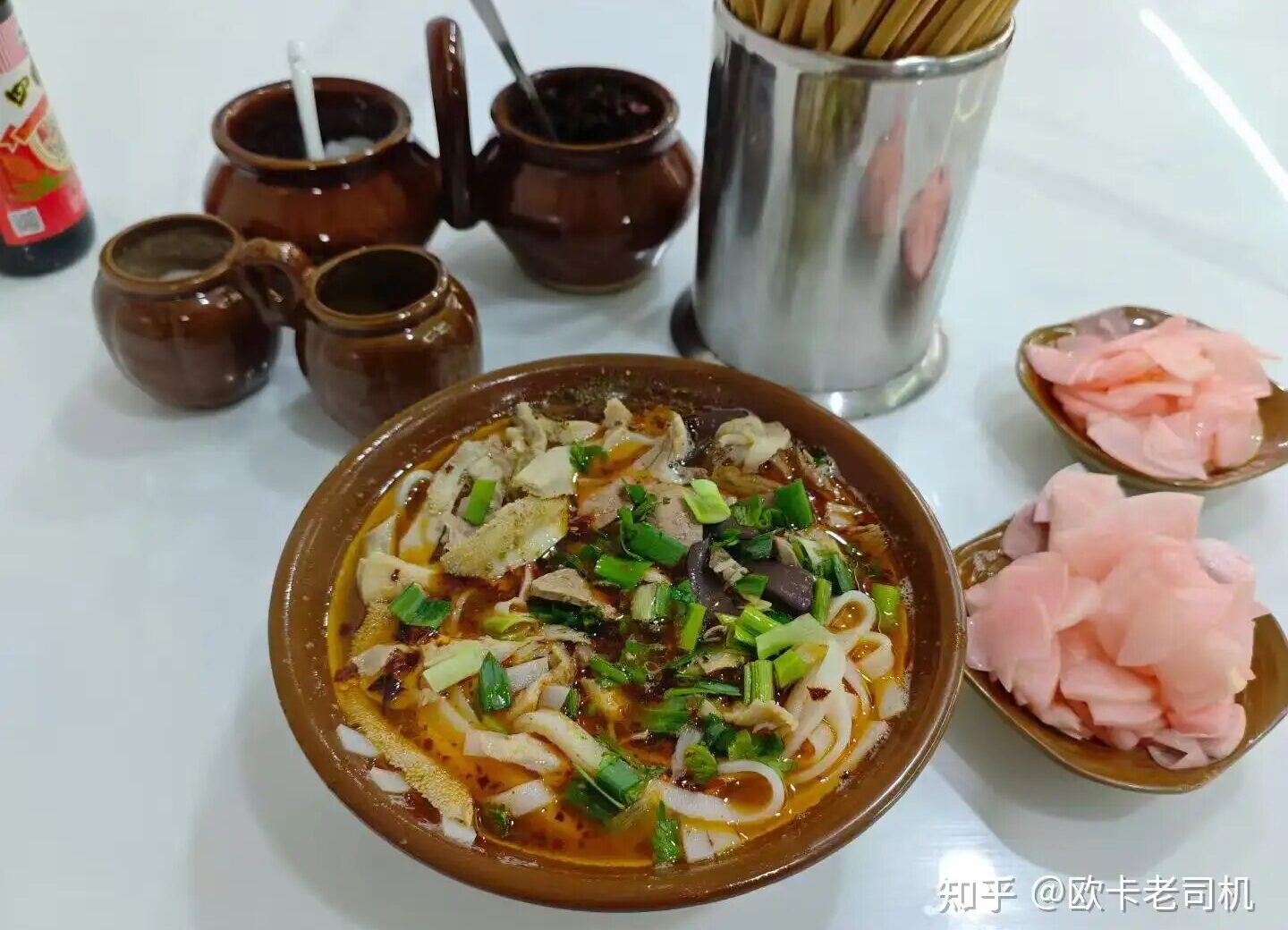
The regional noodle bowl is a good first lesson. The point is not only the meat or the chile oil. Look at the broth, rice noodle texture, herbs, pickles, vinegar, and side condiments. Guizhou-style lamb rice noodles, for example, are loved locally because they combine warmth, fat, sourness, and chile into an everyday bowl. That is hard to translate into a single English dish name.
If a menu has unfamiliar names, ask yourself what job the dish does. Is it a full meal, a side, a snack, a breakfast, or something meant to share? This protects you from ordering five heavy mains or missing the small dish that makes the meal work.
Why Chinese food feels hard to replace
The "could you go a year without Chinese food?" clue points to something real. Chinese food is not only festival dishes. It is daily rhythm: a bowl of noodles after work, steamed buns in the morning, a mild soup with rice, a quick stir-fry, a late-night skewer, a dumpling plate shared with friends.
For people who grew up with it, the missing part is often not restaurant luxury. It is texture and timing. A good home-style dish may be quick, modest, and hard to photograph, but it answers a body memory: hot rice, balanced salt, a vegetable cooked just enough, a broth that makes leftovers useful.
For overseas visitors, this explains why "Chinese food" abroad can feel both familiar and incomplete. A restaurant may reproduce famous dishes, but it may miss breakfast shops, local noodle stalls, small vegetable sides, seasonal soups, and the regional habits that make meals feel normal.
What first-time visitors usually like, and what may divide the table
Social answers about foreign reactions often repeat a pattern: roast duck, dumplings, steamed buns, noodles, and hot pot are easier entry points; very strong smells, unusual textures, or intense chile can divide the table. Do not turn that into a national stereotype. Use it as a menu strategy.
Start with dishes that make the cooking method visible. Roasted meats show crisp skin and sauce. Dumplings show filling and wrapper. Noodles show broth and texture. Congee shows rice and comfort. These are easier for new visitors to understand before they move into fermented bean curd, offal, bitter melon, preserved eggs, or very spicy street snacks.
Then add one "stretch" dish. It might be numbing Sichuan pepper, a sour Guizhou soup, a chewy rice cake, a tofu skin dish, or a local breakfast item. One stretch dish gives the meal a memory without turning dinner into a dare.
How to order without flattening the cuisine
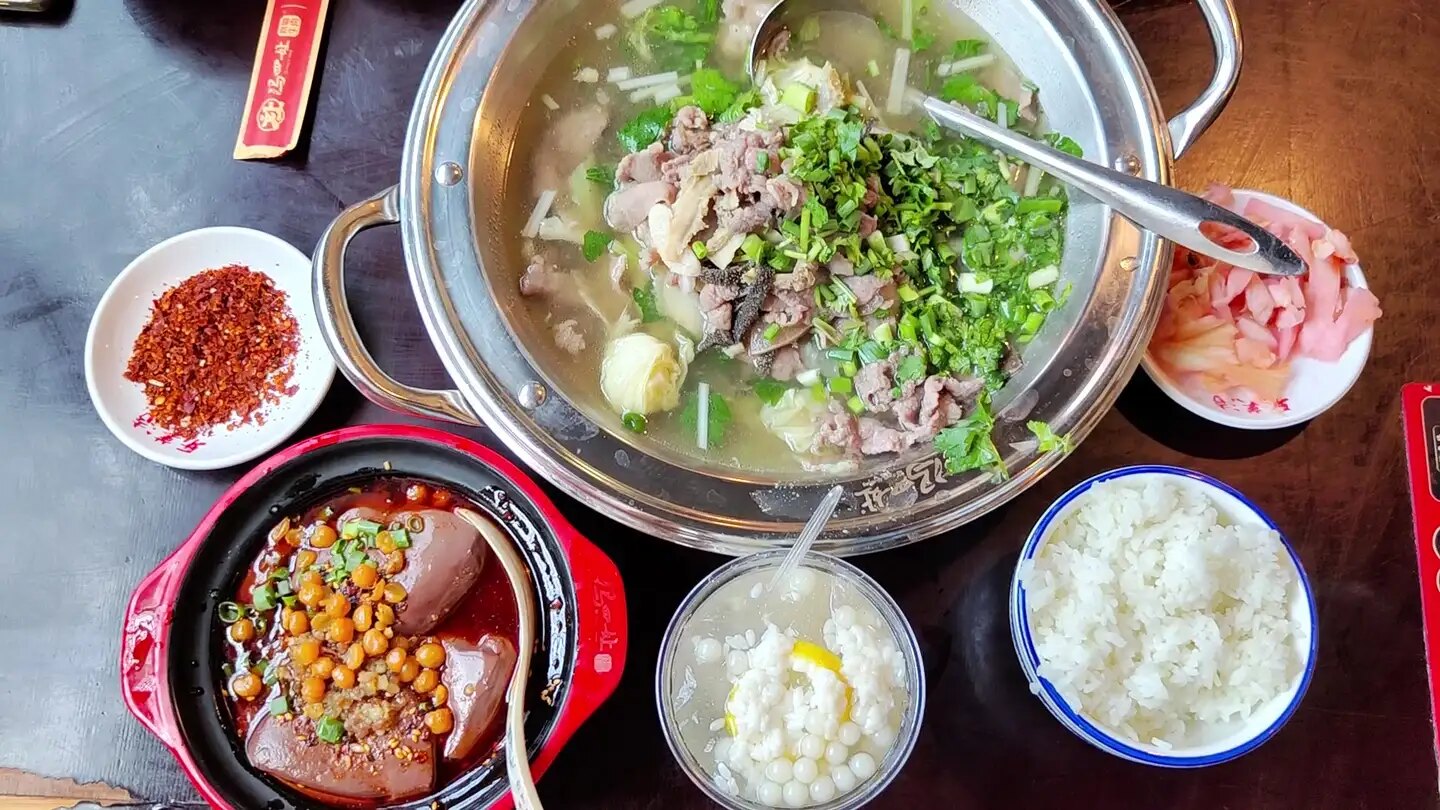
A useful first Chinese meal has contrast: one staple, one vegetable, one protein, one regional signature, and one small surprise. If you are in a group, order across texture and heat levels.
| Diner concern | Safer first move | What to add next |
|---|---|---|
| "I cannot eat very spicy food." | Congee, steamed fish, dumplings, roast meats, mild noodles | One small Sichuan or Hunan dish to share |
| "I want something local." | Ask for the local noodle, breakfast, or house vegetable | Add a regional cold dish or soup |
| "I only know orange chicken." | Choose a dish by method: steamed, braised, roasted, stir-fried | Compare two regions with the same format |
| "I am worried about texture." | Start with familiar proteins and vegetables | Try tofu skin, rice cakes, or offal only if curious |
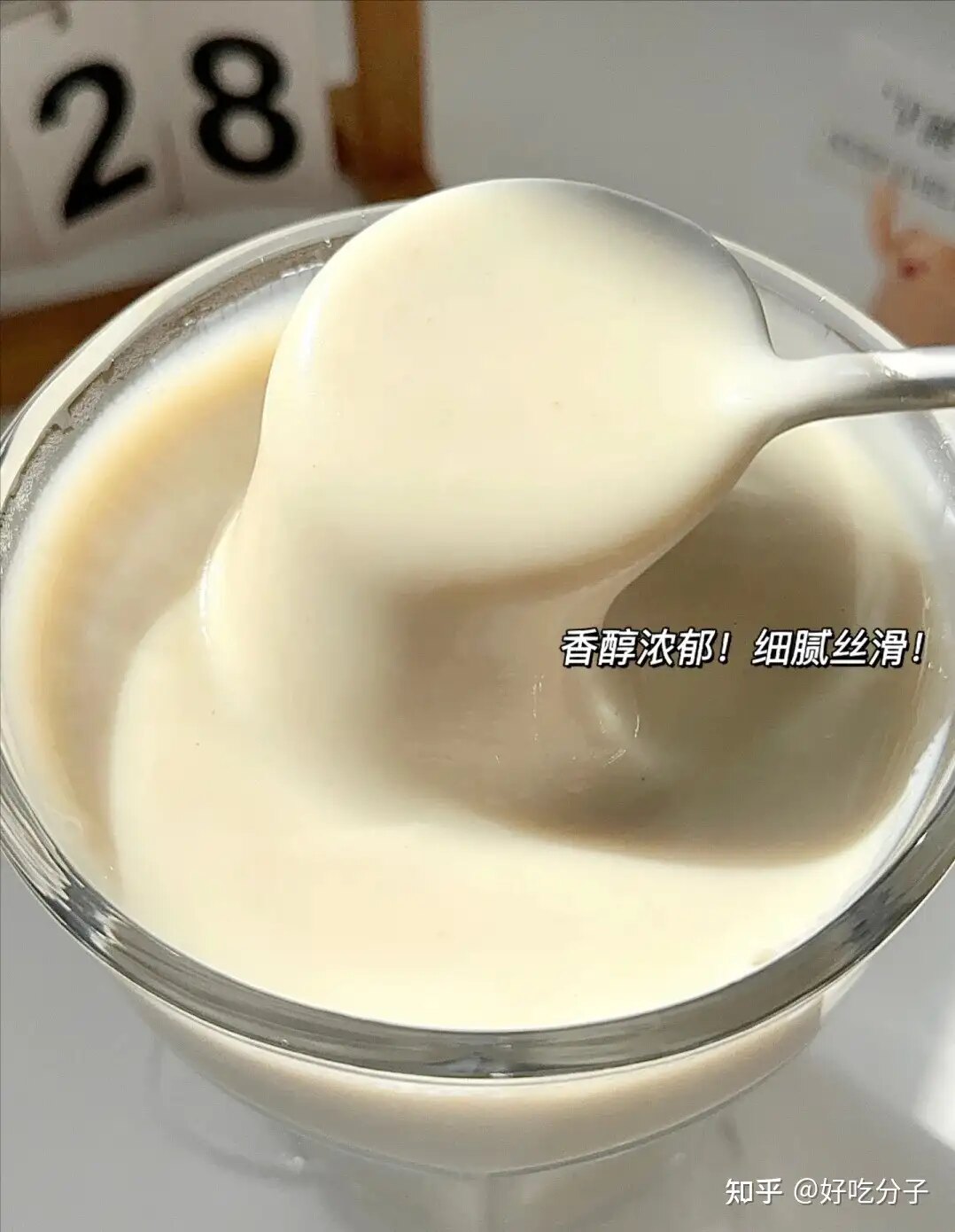
Breakfast and snacks are underrated entry points. Soy milk, buns, scallion pancakes, rice rolls, wontons, congee, and small noodle bowls often teach more about daily Chinese eating than one expensive dinner. They also give visitors a gentler way into local flavor. For more food-first ChinaWink reading, continue through ChinaWink Chinese Food guides.
FAQ
What Chinese food should a first-time visitor try first?
Start with dumplings, noodles, roast meats, congee, a vegetable dish, and one regional signature. That gives you texture, staple food, and local flavor without making the meal too risky.
Are the eight Chinese cuisines still useful?
Yes, as a map. They help you see why Sichuan, Cantonese, Jiangsu, Zhejiang, Shandong, Fujian, Hunan, and Anhui food differ. But real restaurants often mix regions, so use the map flexibly.
Is Chinese food always spicy?
No. Sichuan, Hunan, Guizhou, and some regional dishes can be spicy, but many Chinese meals are mild, savory, sweet-salty, sour, steamed, braised, roasted, or soup-based.
Why do some dishes not travel well overseas?
Some dishes depend on local breakfast habits, fresh markets, regional rice noodles, small condiments, or quick cooking that is hard to reproduce abroad. That is why local eating in China can feel different from overseas Chinese restaurants.
How many dishes should two people order?
For a casual meal, two people can usually start with one staple, one protein, one vegetable, and one small side or soup. Adjust for portion size and restaurant style.
Content Statement
This article uses the June 30, 2026 food clues as social context, not as copied text. It adds general culinary explanation and public food-reference material. The local images were authorized by the user for ChinaWink publication. Menus, ingredients, spice levels, and restaurant availability vary by city and season.