-1.png)
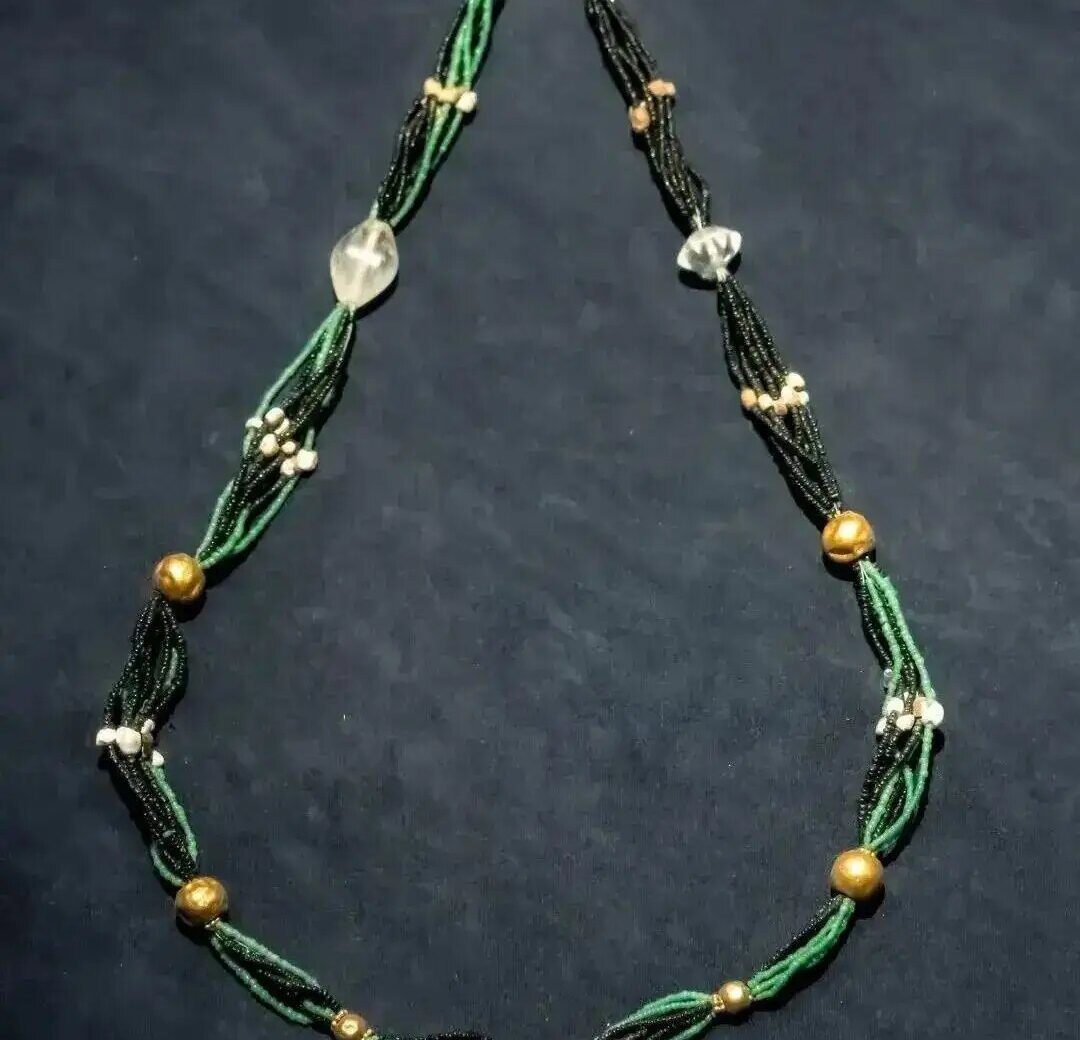
Chinese aesthetic objects often surprise overseas readers because they do not always follow the modern design shortcuts people expect. A jade bead necklace, a lacquer surface, a bronze form, a pale ceramic, or even a modern Chinese consumer product may look "minimal" in one moment and extremely decorative in another. The useful way to read these objects is not to ask whether ancient taste was "advanced." Ask what material, color, proportion, craft, and use are doing together.
Key Takeaways
- Start with material. Jade, lacquer, metal, textile, ceramic, and glass create different kinds of beauty.
- Chinese color is not only red and gold. Restraint, dark grounds, pale stone, green, black, white, and muted contrast all matter.
- Viral museum-object reactions are useful when they lead to better questions, not when they become empty shock.
- Modern Chinese goods belong in the same broad culture conversation, but they should not be confused with heritage objects.
- A good museum visit starts with one object and five questions: material, technique, use, symbol, and viewing distance.
Look at material before judging color
The first image lesson is material. In Chinese objects, color often comes from the thing itself: jade translucency, lacquer depth, bronze patina, ceramic glaze, silk thread, glass beads, shell inlay, or metal surface. Paint is only one route to color.
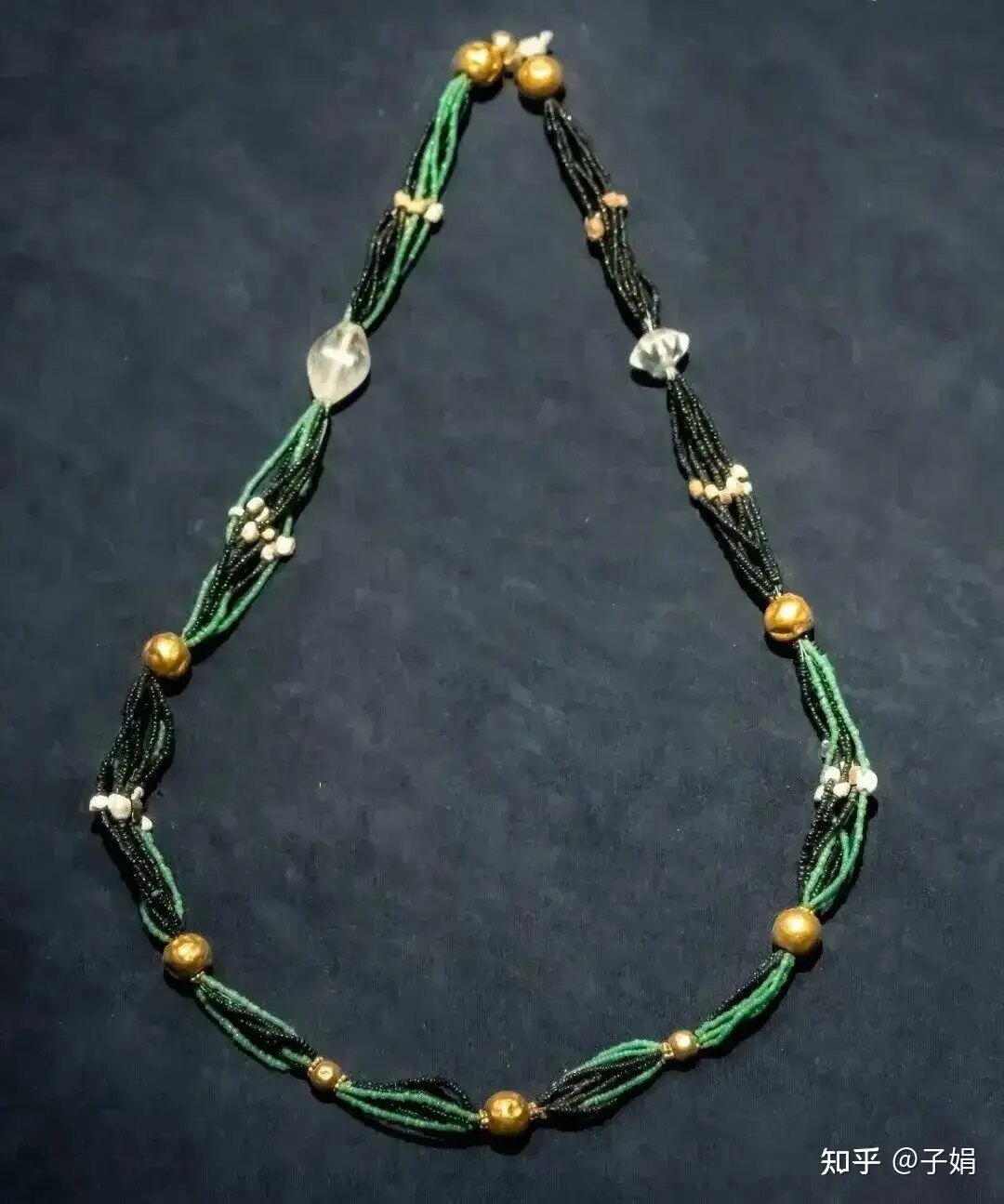
A green-and-black bead object, for example, is not only a palette. It asks you to notice shine, repetition, bead size, the rhythm of dark and light, and the contrast between soft stone or glass-like surfaces and metallic accents. The design may feel modern because it is modular and restrained, even when the object or style cue is historical.
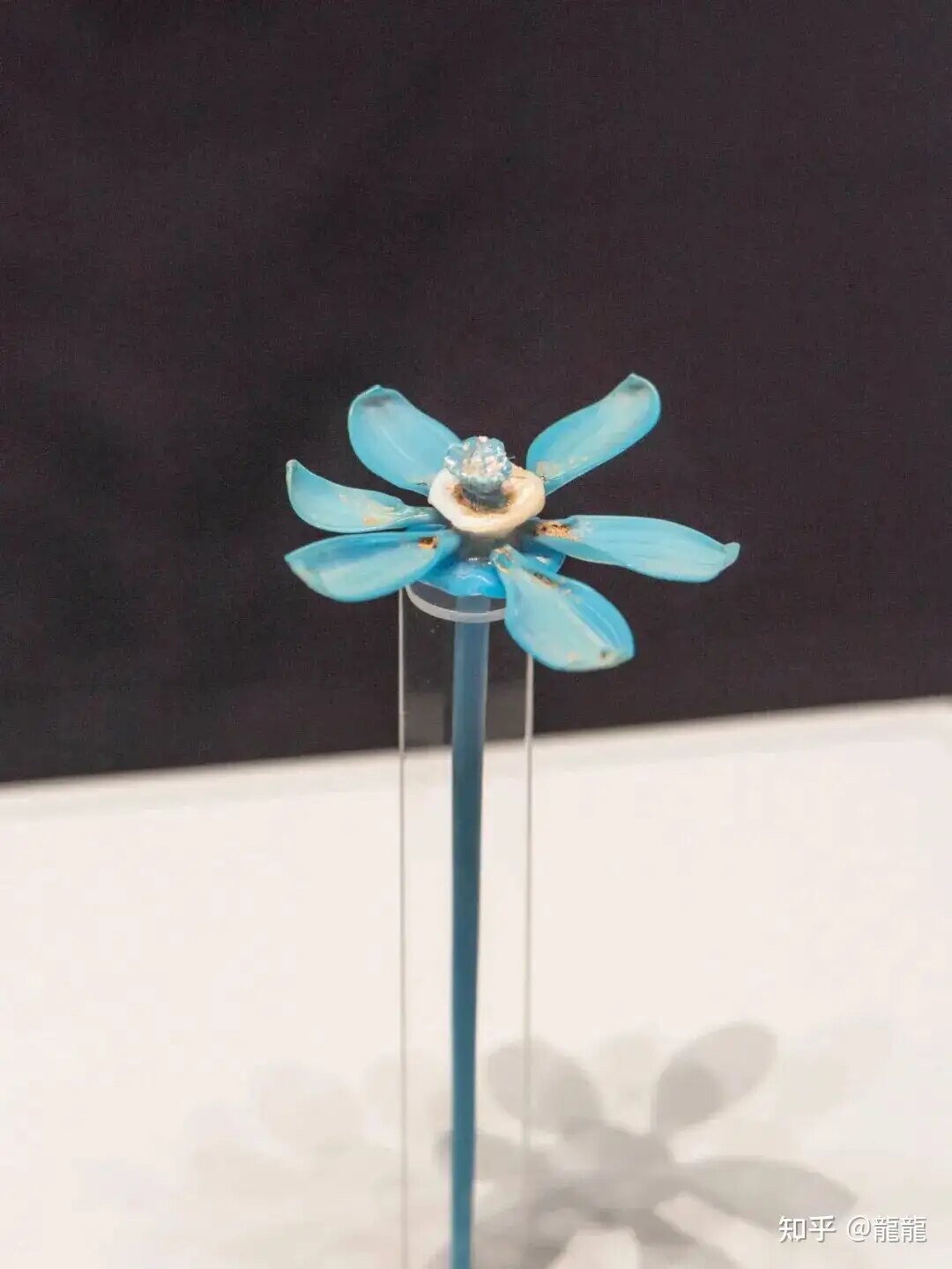
This is why museum labels matter. The National Museum of China’s public collection highlights at National Museum of China collection highlights are a good reminder that Chinese objects should be read through period, material, function, and archaeological or cultural context. A beautiful object is not just a decorative image; it is evidence of technique, use, and taste.
Why old objects can feel modern
Social posts about Chinese artifacts often frame the reaction as "I cannot believe ancient people had this taste." The better observation is that many old objects use design principles still familiar today: strong silhouette, limited palette, repeated units, material contrast, and confident empty space.
Red-and-green stereotypes miss a lot. Chinese visual culture also uses black grounds, pale jade, white porcelain, celadon, ink tones, muted gold, blue-and-white contrast, and careful asymmetry. Some objects look powerful because they limit color rather than adding more.
Proportion matters too. A vessel can feel calm because its neck, shoulder, body, and foot are balanced. A hair ornament can feel lively because small parts repeat without becoming chaotic. A necklace can feel contemporary because the pattern is simple enough to read from a distance.
Modern goods are not the same job as museum objects
One clue in the collection pointed to Chinese consumer goods going abroad: massage guns, electric toothbrushes, air fryers, and similar products. That belongs to a different topic from artifacts, but it still says something about how "Chinese things" are now seen globally.
Modern goods are judged by usefulness, price, reliability, branding, and daily convenience. Museum objects are judged by material, craft, context, history, and meaning. A culture article can mention both, but it should not pretend that a viral product and a jade artifact carry the same kind of value.
The bridge is design literacy. A reader who learns to ask better questions about old objects can also look at modern goods more carefully: What problem does it solve? What material choices are visible? Is the design quiet or loud? Does the object rely on novelty, craft, function, or price?
Use social surprise as a museum question
Social media is good at surfacing surprise. It is weaker at explaining what you are looking at. When a post says an artifact is beautiful or shocking, turn that reaction into a museum question.
| Social reaction | Better museum question |
|---|---|
| "This looks so modern." | Which design choices make it feel modern: color, shape, repetition, or material? |
| "Ancient people had better taste." | What period, patron, function, and technique shaped this object? |
| "The color is unexpected." | Is the color from material, glaze, pigment, oxidation, thread, or lighting? |
| "I want to buy something like this." | Is it a museum object, a heritage craft, a modern reproduction, or a protected material? |
That last question matters. Appreciation should not become careless shopping. Protected materials, archaeological-style replicas, vague "heritage" labels, and tourist-market claims need caution. For public culture writing, it is safer to teach readers how to look than to push them toward purchases.
A five-question object-reading method
Use this quick method in any museum, craft market, or design store:
- Material: What is the object made from?
- Technique: Was it carved, cast, woven, glazed, inlaid, fired, polished, embroidered, or assembled?
- Use: Was it worn, displayed, held, stored, worshipped, traded, gifted, or used daily?
- Symbol: Are there animals, plants, colors, characters, or shapes that carry meaning?
- Distance: Does it work better from across the room, at arm’s length, or under close inspection?
This keeps the object from becoming a flat image. It also helps readers compare a jade bead, a lacquer box, a bronze vessel, a porcelain dish, and a modern product without pretending they are the same. For a deeper Beijing craft example, pair this article with ChinaWink Yanjing Eight Crafts guide and the broader ChinaWink WinkLife culture guides culture path.
FAQ
Is Chinese aesthetic culture mostly red and gold?
No. Red and gold are important in some settings, but Chinese objects also use jade green, black, white, celadon, bronze tones, blue-and-white contrast, ink color, and restrained palettes.
Why do some ancient Chinese objects look modern?
They may use clean silhouettes, repeated units, limited color, strong material contrast, or balanced proportions. Those choices can feel modern even when the object is historically old.
Can I use social-media artifact posts as museum facts?
Use them as questions, not facts. Verify the object name, period, material, museum, and context through official museum pages or labels.
Are modern Chinese goods part of Chinese culture writing?
Yes, but they need a different frame. Modern goods are about function, manufacturing, daily life, and global consumer habits. They should not be treated as heritage objects unless there is real evidence.
What should I avoid when buying Chinese-style objects?
Avoid protected materials, vague provenance, fake "ancient" claims, and tourist labels that cannot explain material or maker. When in doubt, buy contemporary crafts clearly labeled as contemporary.
Content Statement
This article uses June 30, 2026 object and culture clues as topic signals. It does not copy social platform wording. It adds museum-reading logic and public museum-reference framing. The local images were authorized by the user for ChinaWink publication.