-1.png)
Direct answer: Chinese heritage objects are easier to understand when you look at four things: material, hand process, social use, and what can still be made ethically today. Brocade, metal chasing, shell or lacquer inlay, costume, and knot ornaments are not just “pretty objects.” They are records of labor, region, belief, and changing material rules.
Key Takeaways
- Do not reduce craft value to “more expensive than gold.” Time, skill, rare materials, and cultural use all matter.
- Some historic materials, such as kingfisher feather in old diancui work, raise conservation and ethics issues today.
- UNESCO describes Nanjing Yunjin brocade as a complex loom-based textile tradition using silk, gold, and peacock-feather yarn.
- For museum visitors, the best question is: what did the maker have to control by hand?
Read The Object Before You Read The Price
Answer block: A high-value Chinese craft object usually combines difficult material handling, specialized tools, long training, and a social function. The price claim is the least useful part unless it is tied to a verified auction or museum record.
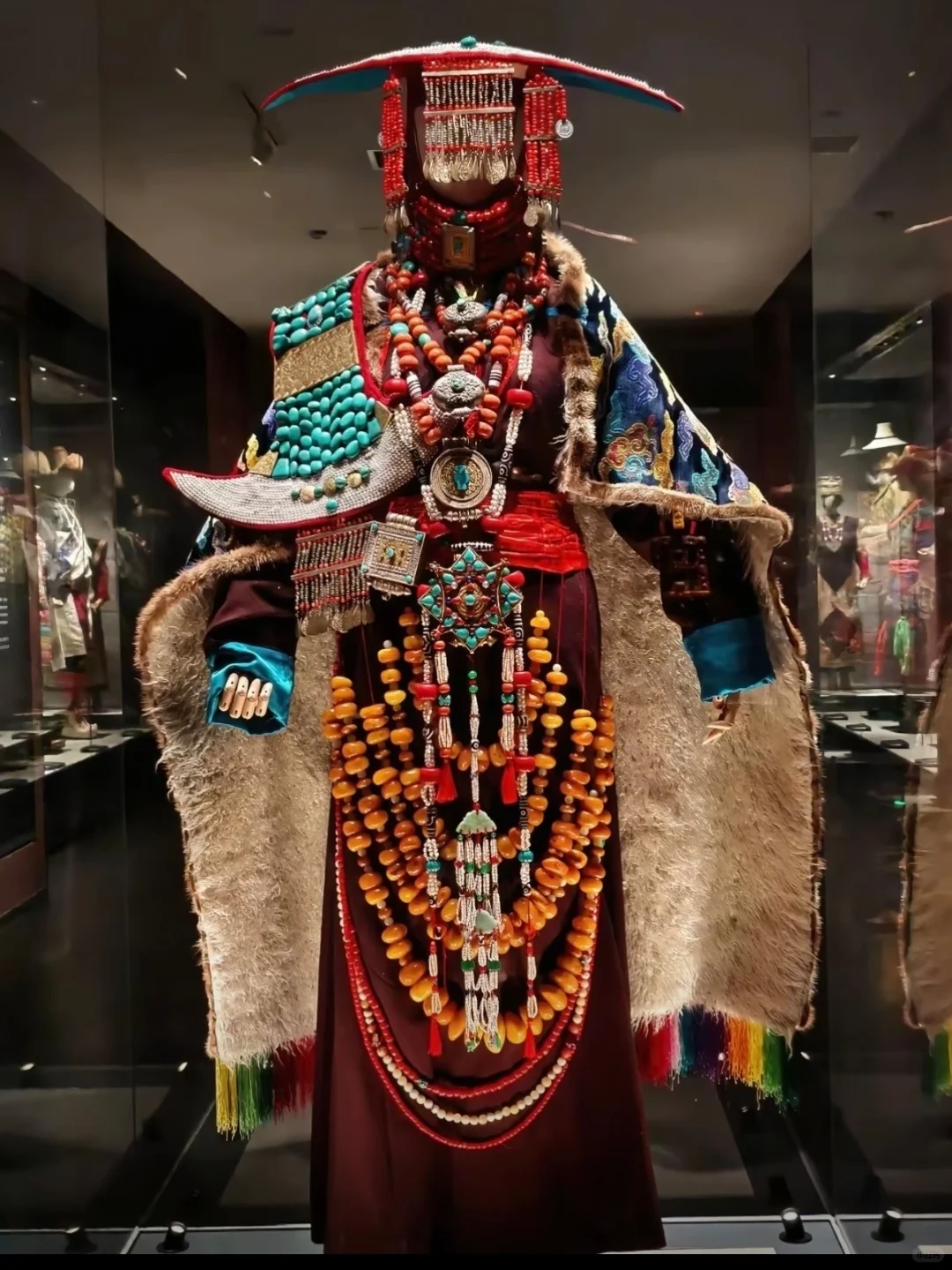
Today’s object clues included brocades, diancui feather inlay, lacquer and shell inlay, carved lacquer, Pulan-style costume, export-facing craft products, and metal chasing. Several source posts used strong claims such as “more expensive than gold” or “selling overseas at high margins.” Those phrases are not stable facts. The useful editorial question is better: why do these objects feel valuable even when you ignore the sales pitch?
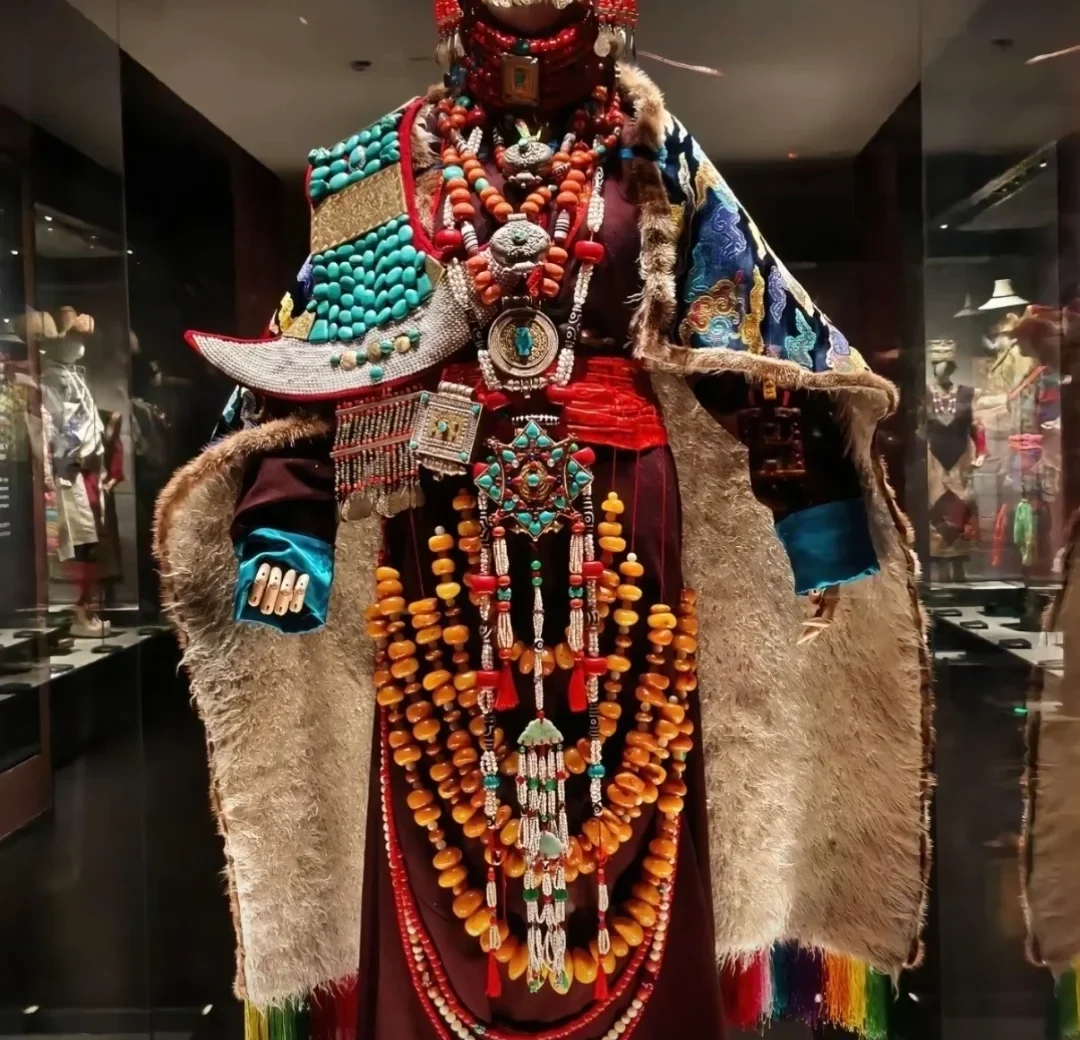
Start with material. Silk, gold thread, lacquer, shell, metal, turquoise, coral-like beads, and dyed cord each behave differently. Then look at process: weaving, hammering, engraving, inlaying, knotting, polishing, sewing, and assembling. Finally ask what the object did: court dress, ritual costume, jewelry, household display, market souvenir, or museum study object.
Brocade Shows Why Time Is A Material
Answer block: Brocade is not only a decorative textile. It is a system of loom work, pattern memory, material preparation, and coordinated human action.
UNESCO’s archive description of Nanjing Yunjin brocade explains that two craftspeople operate different parts of a complicated loom to make textiles with silk, gold, and peacock-feather yarn. The same source notes that the method includes more than a hundred procedures, from loom making and pattern drafting to weaving. That is why a small visible surface can carry a large amount of hidden labor.
Shu brocade, Nanjing Yunjin, and other Chinese textile traditions should not be treated as interchangeable “luxury fabric.” Their names point to different regions, looms, patterns, and historical uses. A visitor does not need to memorize all of them. It is enough to notice density, reversibility, gold or metallic thread, pattern edges, and whether the work is made as a museum reproduction, garment, or modern cultural product.
Metal Chasing Is About Controlled Force
Answer block: Chasing and related metalwork are valuable because the maker controls pressure, line depth, relief, and surface rhythm by hand. The object’s beauty comes from small decisions repeated many times.
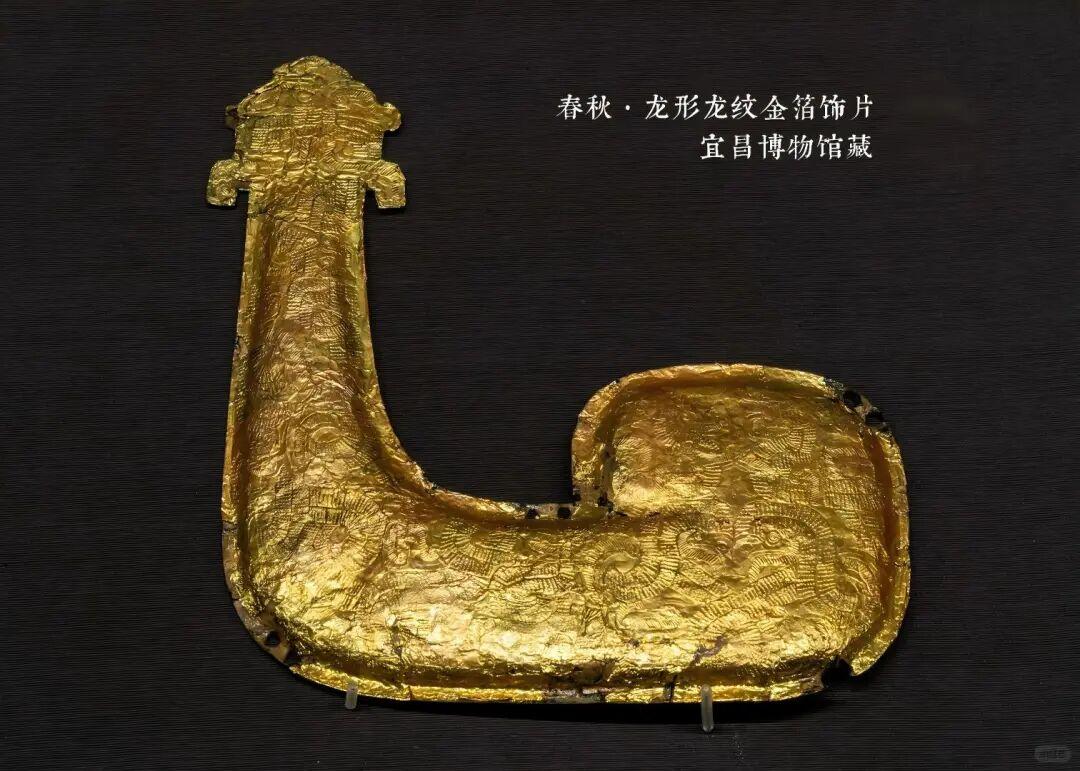
The metalwork clue centered on “one hammer, one chisel” language. That phrase is useful because it gives readers a way to look: find the raised areas, recessed lines, repeated borders, and places where light catches uneven hand-finished surfaces. But do not use a social post as proof for a neat three-thousand-year claim unless the article is backed by archaeological or museum sources.
In a museum, stand slightly to the side instead of looking straight on. Relief work often reads better when light hits the surface at an angle. On jewelry or small ornaments, check whether the pattern feels stamped flat or built up with depth. Neither is automatically better, but the difference helps you understand the maker’s choices.
Some Materials Need An Ethics Caveat
Answer block: Historic craft does not always mean a material should be used again today. Diancui feather inlay is a clear example: old pieces can be studied, but modern work should avoid protected-wildlife harm.
Several collected object clues mentioned diancui, shell inlay, lacquer, and rare costume materials. For a reader-facing article, the safe rule is: admire old work, but do not encourage new demand for restricted or harmful materials. If a contemporary product claims to use a sensitive material, ask what substitute or legal material is being used.
This is also why public articles should avoid turning heritage into a shopping list. ChinaWink’s WinkLife path is about understanding Chinese aesthetics and everyday culture, not pushing readers toward commerce, carts, or souvenir buying.
How To View Craft Objects In A Museum Or Market
Answer block: Use a four-question checklist: What is it made from? What did the maker control by hand? What was it used for? What would be hard or unethical to reproduce today?
| Object type | What to inspect | Question to ask |
|---|---|---|
| Brocade textile | Pattern density, metallic thread, edge clarity, reverse side if visible. | Is this a display textile, garment, or reproduction? |
| Chased metal object | Raised relief, repeated borders, tool marks, light and shadow. | Where does hand pressure show? |
| Lacquer or shell inlay | Layer depth, polish, shell color, joins, surface smoothness. | Is the value in material, labor, or both? |
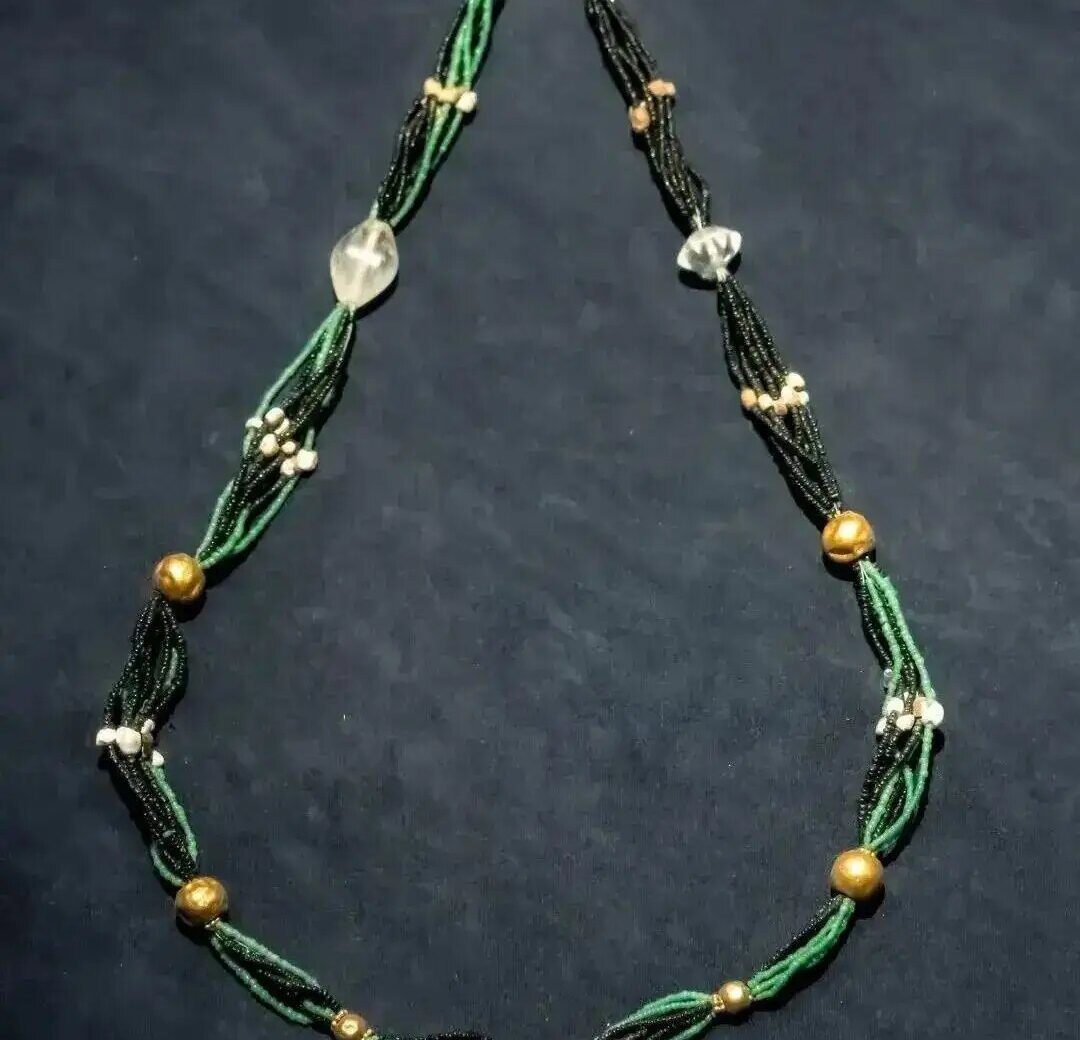
| Costume or ornament | Weight, balance, beadwork, color order, ritual or local identity. | Was this meant to be worn, displayed, or performed? |
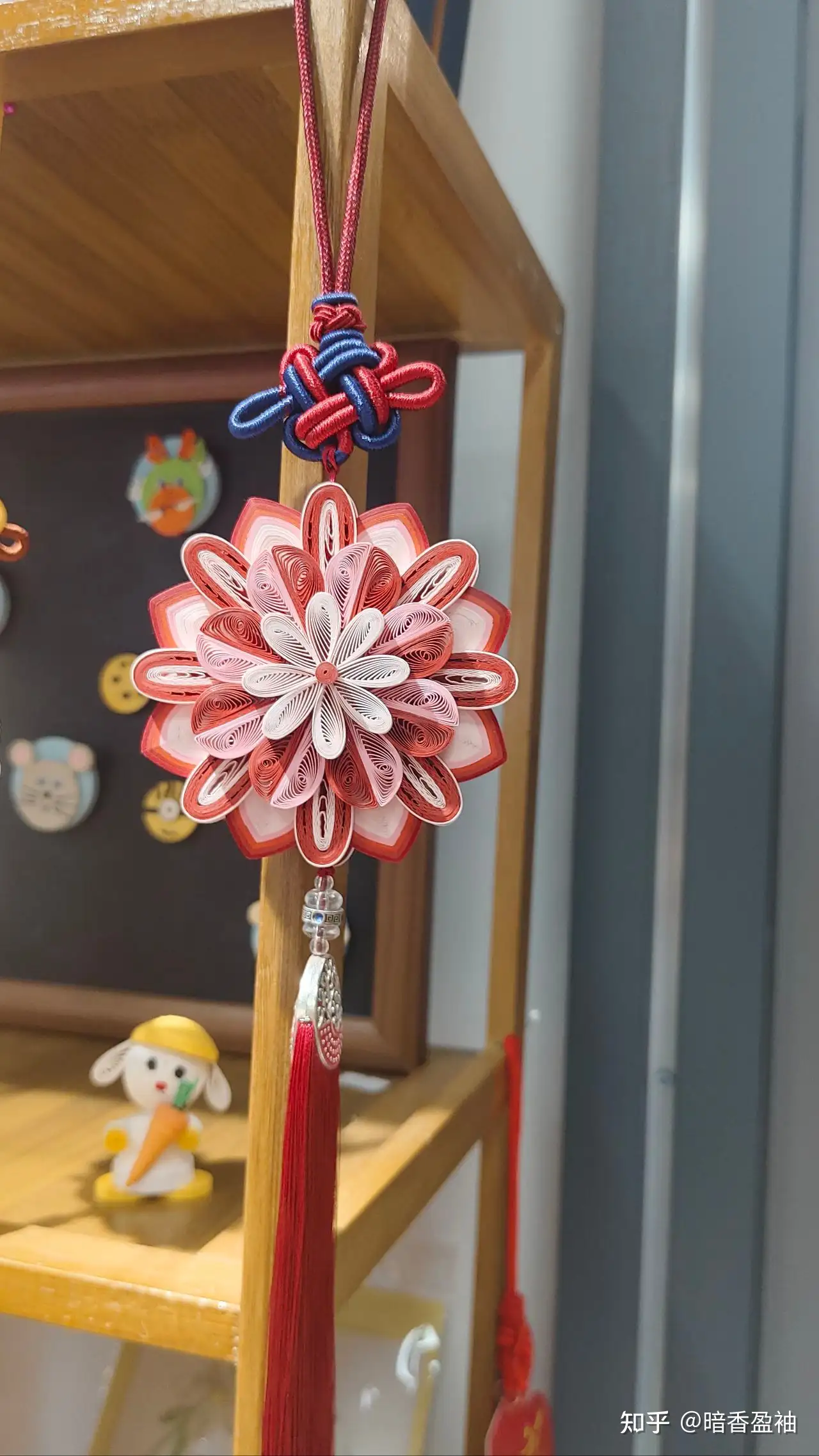
| Everyday knot or woven object | Symmetry, tension, finish, hanging direction. | How does a small object carry a larger visual language? |
FAQ
Why are some Chinese crafts described as more valuable than gold?
Usually because the object combines rare material, long training, slow production, and cultural meaning. Treat price claims carefully unless they come from a verified auction or museum source.
Is Nanjing Yunjin brocade UNESCO-listed?
Yes. UNESCO lists the craftsmanship of Nanjing Yunjin brocade on the Representative List, with an archive description covering its loom work, materials, and procedures.
Can I buy modern diancui jewelry?
Be careful. Historic diancui used kingfisher feathers, and modern demand can raise wildlife concerns. Look for ethical substitutes and clear material disclosure.
What is the easiest craft detail for a beginner to notice?
Look for repeated hand control: even knots, clean textile edges, aligned inlay pieces, or metal relief that changes under side light.
Content Note
This article turns public social-platform craft clues into an original cultural explainer. It avoids unverified price rankings and does not encourage purchase of sensitive or restricted materials. Verify museum labels, official heritage pages, and current conservation rules when a material claim matters.