-1.png)
Direct answer: A useful Chinese food map starts with regions, cooking methods, and the kind of meal you want, not with one national dish. For a first trip, anchor your choices around a few reliable signals: wheat and noodles in the northwest, roast and fresh-tasting dishes in the south, braised and mountain-ingredient cooking in Anhui and nearby eastern provinces, and famous city dishes such as Beijing roast duck when you want a clear landmark meal.
Key Takeaways
- Use signature dishes as a way to read place, not as a checklist to finish.
- Broad lists from social platforms are useful clues, but they need cleaning because they often mix ads, app copy, and dish names.
- For a first visit, choose one famous dish, one everyday snack, and one local meal style in each city.
- China’s official intangible-heritage list now treats traditional diet as its own category, which shows that food is also cultural practice.
Start With Meal Style, Then Pick The Dish
Answer block: The easiest way to avoid getting lost is to ask what kind of meal you want: a landmark dish, a street snack, a noodle or dumpling meal, a roast-meat counter, or a slower regional restaurant. The dish name matters, but the format tells you how to order.
The raw food clues in today’s collection pointed in three directions: a national “signature dishes” map, Xi’an as a carbohydrate-heavy city, and smaller local-food prompts such as Lu’an in Anhui. Those clues are useful because they show how Chinese diners often talk about food: by city pride, by local snack, and by the dish that makes a place easy to remember.
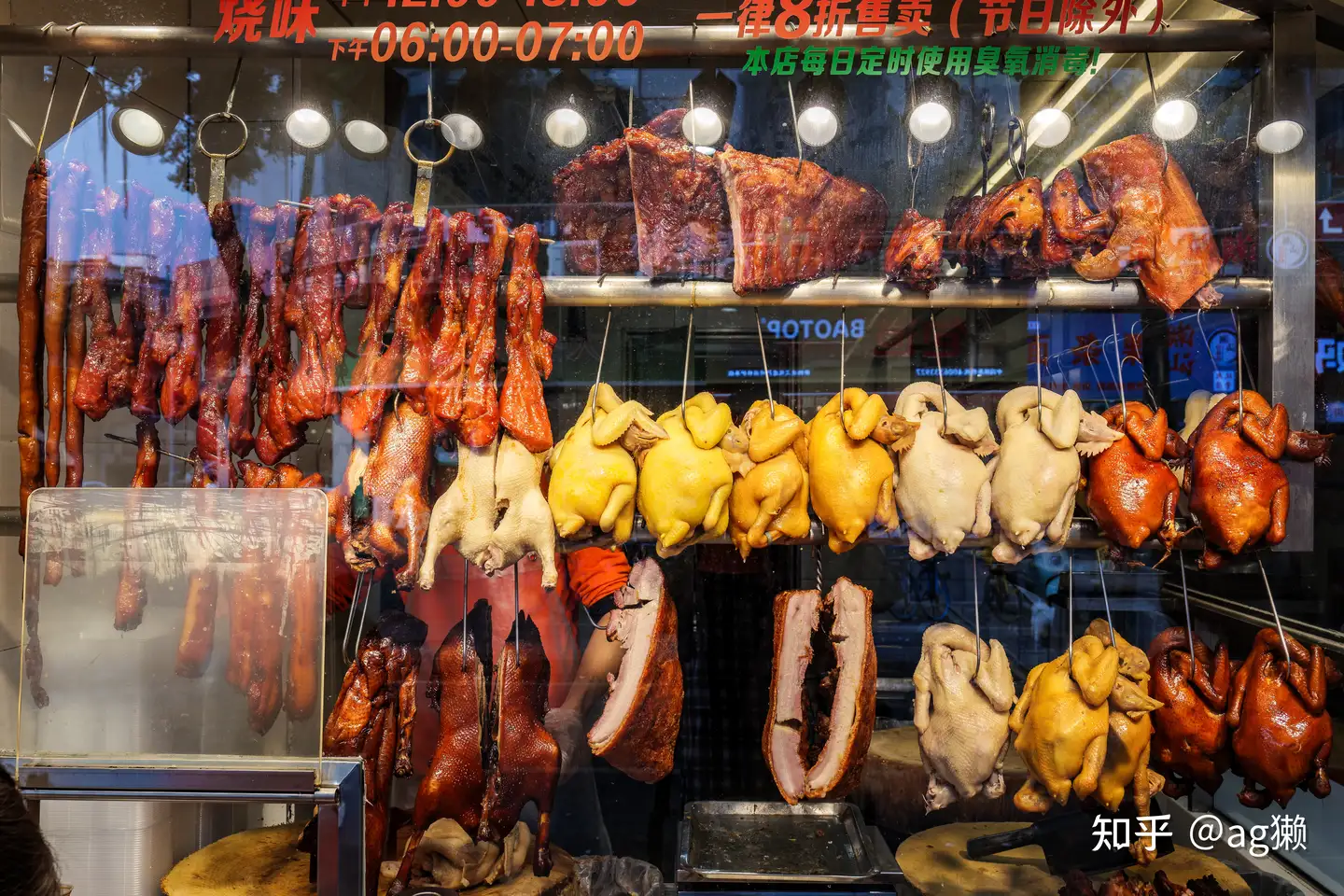
For a visitor, this is more practical than chasing a single “best city to eat.” If you are in the north or northwest, start with wheat: noodles, flatbreads, dumplings, stuffed buns, and lamb or beef soups. If you are in Guangdong or Hong Kong-style food corridors, look for roast meats, rice, light soups, dim sum, and fresh seafood. In Anhui and parts of eastern China, read menus for braising, stewing, mountain vegetables, preserved ingredients, and river or lake flavors. China’s Ministry of Culture and Tourism has even added traditional diet to the national intangible-cultural-heritage framework, with cooking skills such as Sichuan, Anhui, Chaozhou, Shaxian snacks, Guilin rice noodles, and Lanzhou beef noodles named in the 2021 expansion reported by the State Council news portal.
That does not mean every famous dish is protected heritage, or that every local list online is accurate. It means food is part of a wider local knowledge system: ingredients, processing, cooking, serving, and eating habits.
A First-Timer Food Map You Can Actually Use
Answer block: Pick dishes by region and texture. One roast dish, one noodle or dumpling dish, one soup or stew, and one local snack will teach you more than ordering only the most photographed plate.
| Food path | Useful examples | Why it helps | Reader note |
|---|---|---|---|
| Northwest wheat and Muslim-influenced food | Xi’an biangbiang noodles, roujiamo, lamb soup, cumin skewers | Shows how wheat, lamb, spices, and market snacks shape Shaanxi meals. | Go hungry and order small portions across several stops. |
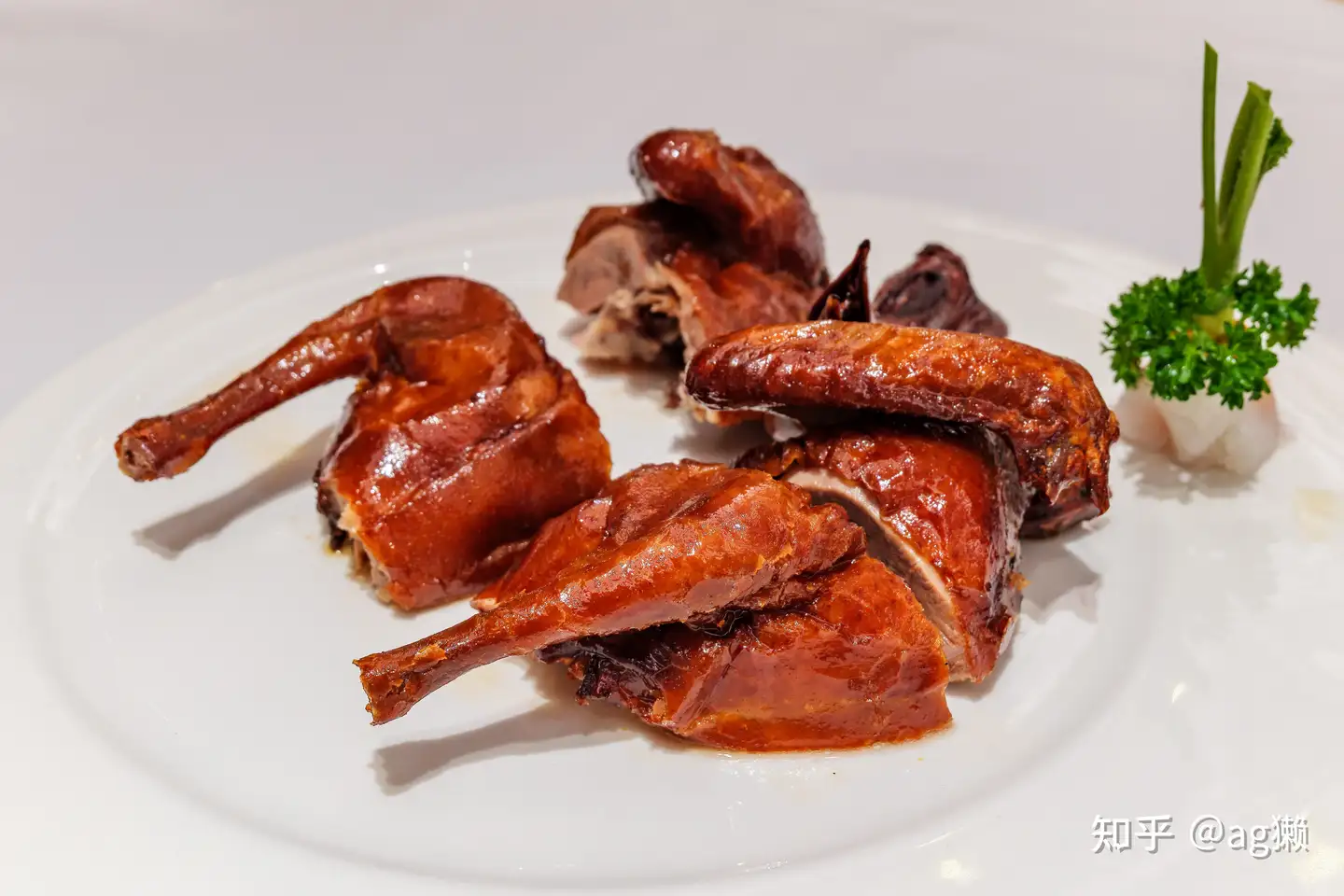
| Beijing landmark meal | Roast duck, zhajiangmian, hotpot-style group meals | Good for a clear first “famous dish” experience. | Roast duck is better as a planned meal than as a rushed snack. |
| Southern roast and rice meals | Cantonese roast goose or duck, char siu, soy sauce chicken, rice plates | Easy to order visually from a counter and useful for lunch. | Look at the hanging meats and point if the menu is hard to read. |
| Eastern and Anhui-style comfort | Braised dishes, stews, river fish, wild herbs, tofu dishes | Shows a slower, earthier side of Chinese regional cooking. | Ask about house specialties rather than expecting one global dish name. |
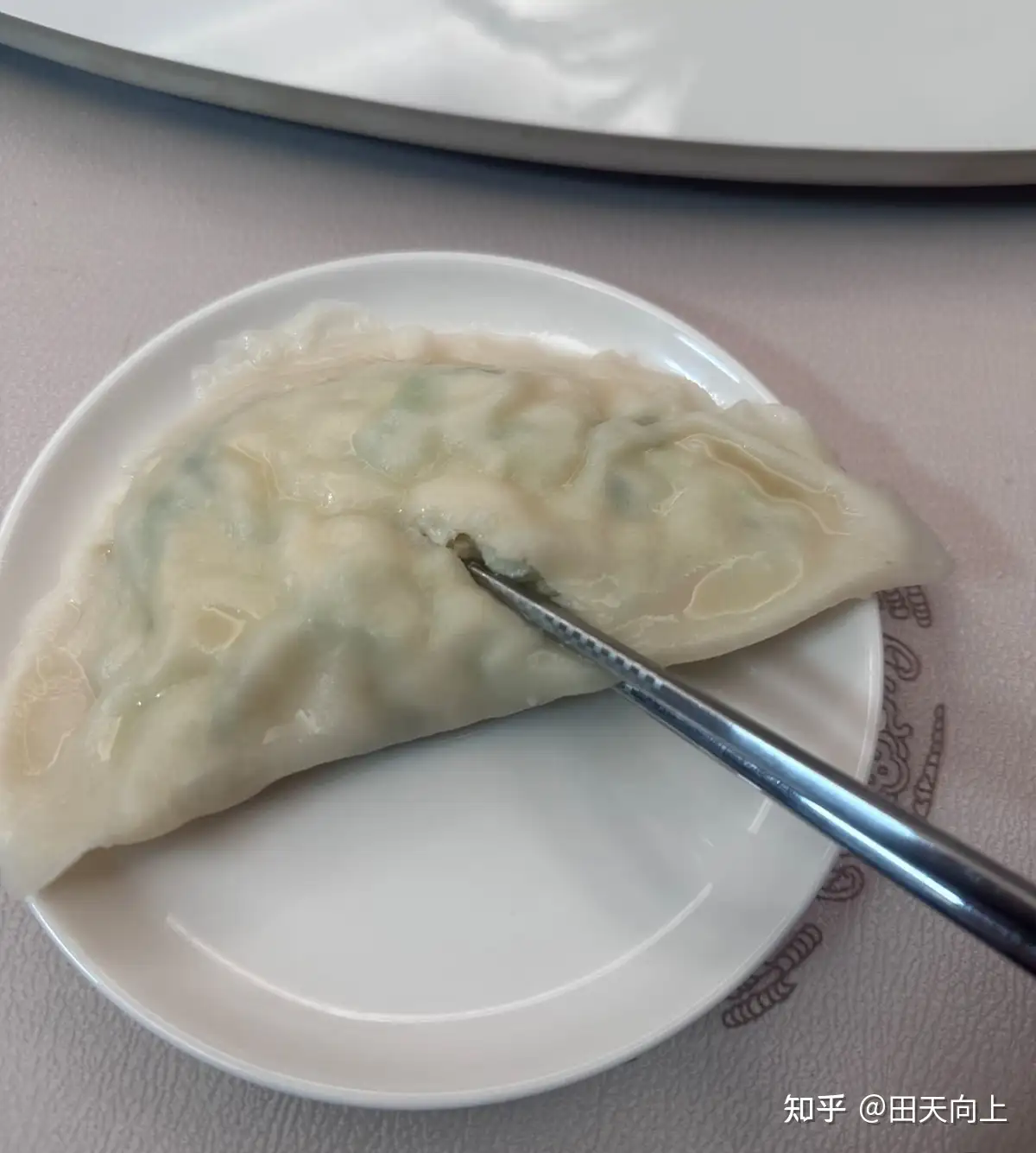
| Everyday snacks | Dumplings, rice noodles, local pancakes, steamed buns | Often more memorable than banquet dishes because they fit daily life. | Breakfast markets and small shops are usually the best entry point. |
Where The Social Clues Needed Cleaning
Answer block: Social posts are good for spotting what people are excited about, but they are not clean source material. Today’s food clues included app promotion copy, platform UI, short city claims, and dish lists. The article uses them as prompts, not as copied claims.
The “Chinese signature dishes” clue was mostly an AI-app promotion with a food-map graphic. The useful part was not the advertisement; it was the reader intent behind it: overseas visitors want a simple way to understand regional dishes without memorizing a giant list. The Xi’an clue was also thin because the captured page included mostly Zhihu interface text, but “Xi’an, carb capital” is still a useful prompt. Xi’an is widely known among food travelers for hand-pulled noodles, flatbreads, lamb and beef snacks, and Muslim Quarter-style market eating. Food & Wine’s Xi’an travel guide, for example, highlights the Muslim Quarter and dishes such as biangbiang noodles and skewers, which matches the broader visitor pattern.
The Lu’an clue was mostly tags, but it points toward a better editorial angle: small Chinese cities often matter because they sit inside a larger regional food system. Lu’an belongs to Anhui, and a ChinaCulture Anhui overview describes Anhui cuisine as one of China’s well-known culinary traditions, rooted in Huizhou cooking. That is enough to use Lu’an as a “do not ignore smaller-city food signals” prompt, but not enough to invent a list of Lu’an-only must-eats.
How To Order Without Overplanning
Answer block: Use a three-stop rule in each city: one famous dish, one crowded everyday shop, and one local breakfast or snack. This keeps the trip flexible and avoids turning meals into homework.
- For a famous dish: reserve time and money for one clear meal, such as roast duck in Beijing or a noodle-focused meal in Xi’an.
- For everyday food: walk around markets or streets near residential areas and look for short menus, visible preparation, and high turnover.
- For regional depth: ask for the house dish, a seasonal vegetable, and one staple. This works especially well in Anhui-style and eastern regional restaurants.
- For safety and comfort: choose places with busy turnover, clear prices, and food cooked hot in front of you when possible.
This guide is part of ChinaWink’s Chinese Food path. Use it with city guides when you want meals to support the trip instead of becoming a separate research project.
FAQ
What is the best Chinese food city for a first-time visitor?
There is no single best city. Xi’an is strong for wheat, noodles, and market snacks; Beijing is useful for famous landmark dishes; Chengdu and Chongqing are strong for spicy food; Guangzhou is easier for roast meats, dim sum, and rice-based meals.
Should I trust Chinese food maps from social media?
Use them as prompts, not as proof. Check whether the post is an ad, whether the dish belongs to the region named, and whether a restaurant or market still exists before planning a trip around it.
Is Anhui cuisine worth trying if I only know Sichuan or Cantonese food?
Yes, especially if you like stews, braised dishes, mountain ingredients, tofu, and earthy flavors. Do not expect the same heat level as Sichuan or the same lightness as Cantonese food.
What should I order if I cannot read the menu?
Start with what you can see: roast meats, dumplings, noodle bowls, rice plates, or a posted house specialty. Translation apps help, but visible preparation and busy turnover are often better signals.
Content Note
This article uses today’s public social-platform clues as topic signals, then rewrites them into an original English visitor guide with source checks from public culture and travel references. Dish availability, menus, and shop quality change often, so verify current hours and locations before traveling.