-e1742971339568.png)
China Atlas
Chongqing, read through culture and daily life.
Mountain-city layers, river crossings, hotpot heat, stair streets, night lights, and urban drama built from elevation.
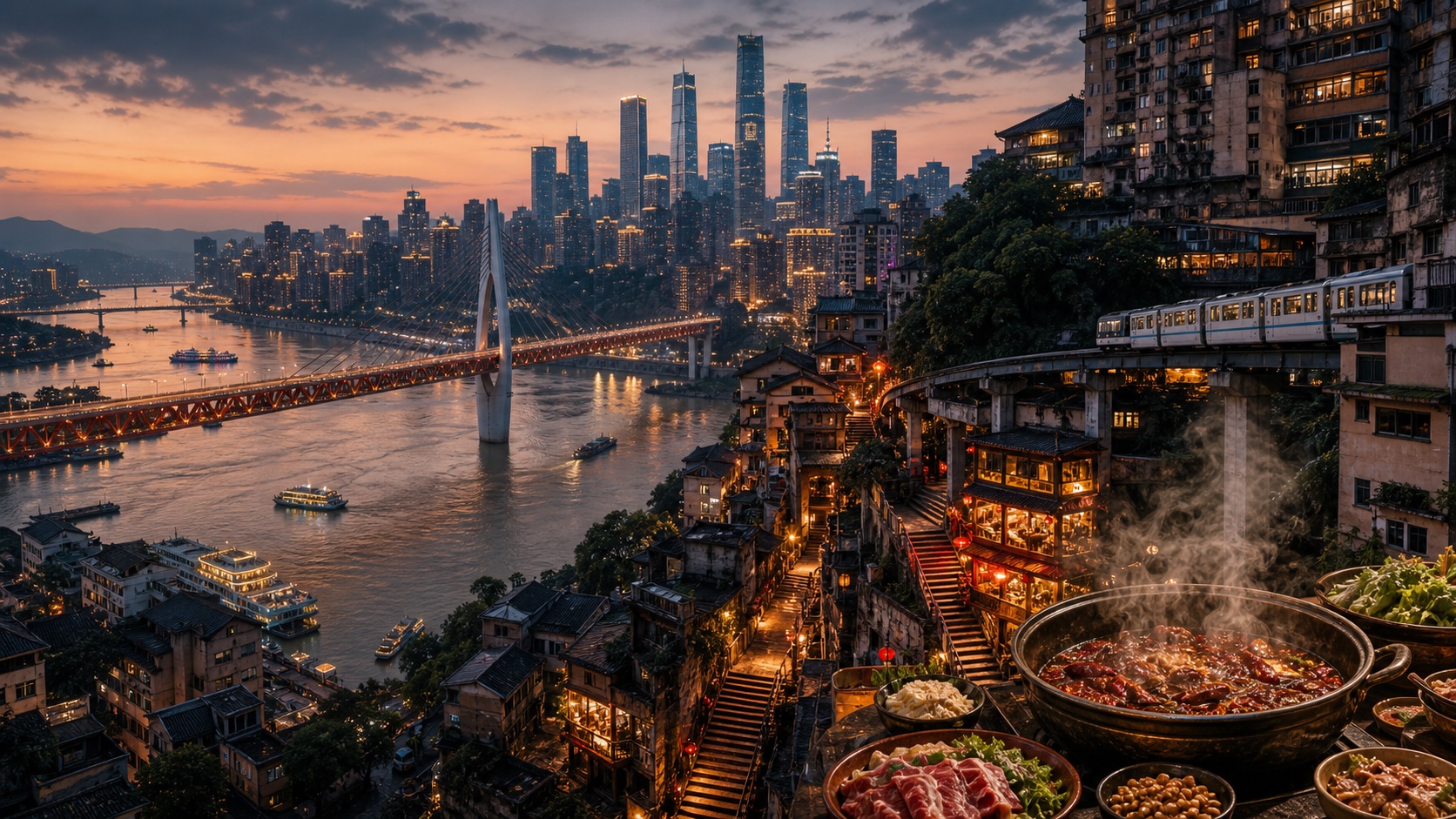
Chongqing in visible scenes
The city page starts with things readers can see: streets, food, objects, architecture, symbols, and everyday pace.
Cultural Character
A city that stacks itself in layers
Chongqing is best read through elevation, rivers, heat, humidity, night scenes, and a strong local appetite.
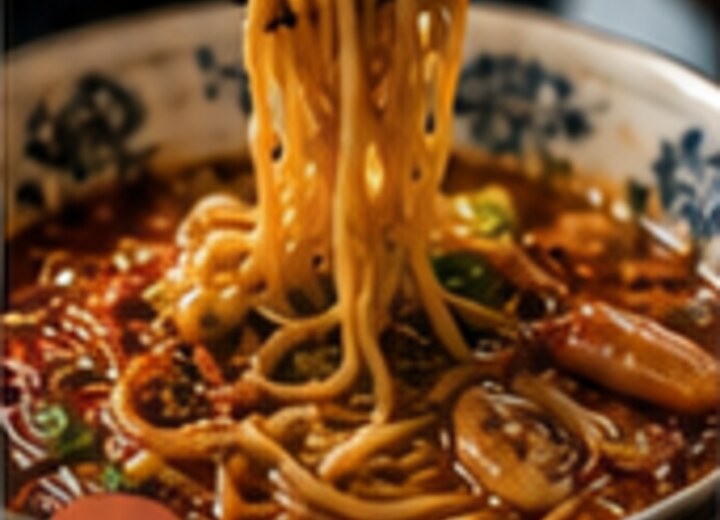
Food Memory
Hotpot as social heat
Hotpot, xiaomian, grilled fish, skewers, and chili oil show how intensity becomes comfort and identity.
Visual Language
Bridges, stairs, fog, and night glow
Look for roads above roads, platforms, elevators, river crossings, signs, steam, and the feeling that the city has more than one ground level.
Modern Life
Urban energy with mountain logic
The city makes infrastructure visible and turns everyday movement into part of the story.
Quick cultural frame
A compact answer layer for readers and generative engines before the visual story gets deeper.
Reader job: decide what Chongqing helps you understand
Use this city page to choose a cultural angle, not just a place name. Chongqing should connect scenery, food, objects, memory, and modern daily rhythm into one readable setting.
| If you want to understand | Use this city for | What to notice |
|---|---|---|
| Visual character | Vertical city, river culture, and hotpot intensity | Layered roads, cableways, river fog, neon cliffs, hotpot steam, xiaomian, and dense stair lanes. |
| Daily rhythm | Chongqing feels cinematic because its geography turns daily movement into vertical theater. | Food timing, street pace, public space, neighborhood texture, and how people move. |
| Cultural memory | Read Chongqing through elevation, bridges, steam, neon, stairs, noodle bowls, and the feeling of more than one ground level. | Architecture, local terms, museum clues, craft details, and recurring symbols. |
Common mistakes
- Reading the city only as a route list instead of a cultural container.
- Ignoring food, objects, streets, and everyday pace because the famous landmark is louder.
- Assuming the city explains all of China instead of one regional voice.
Related entities to connect
Chongqing, local food, landmark forms, street rhythm, regional climate, craft materials, public space, and the wider ChinaWink themes of culture, food, objects, scenery, and modern life.
Read Chongqing through four layers
Each city page now acts as a cultural container: visual language, food memory, objects, scenery, and modern daily rhythm.
Cultural Character
A city that stacks itself in layers
Chongqing is best read through elevation, rivers, heat, humidity, night scenes, and a strong local appetite.Food Memory
Hotpot as social heat
Hotpot, xiaomian, grilled fish, skewers, and chili oil show how intensity becomes comfort and identity.Visual Language
Bridges, stairs, fog, and night glow
Look for roads above roads, platforms, elevators, river crossings, signs, steam, and the feeling that the city has more than one ground level.Modern Life
Urban energy with mountain logic
The city makes infrastructure visible and turns everyday movement into part of the story.Connect this city to the content atlas
Nature & Scenery
Mountains, rivers, gardens, old towns, seasonal color, and the visual language of Chinese landscapes.
Food & Tea
Chinese tea, regional cuisines, street food, breakfast habits, ingredients, and the culture carried by flavor.
Culture
Festivals, opera, mythology, writing, customs, symbols, and the living details behind Chinese identity.
Craft & Finds
Porcelain, lacquer, silk, tea ware, calligraphy tools, paper cutting, and beautiful everyday objects.