-e1742971339568.png)
Food & Tea
Sichuan Food: mala, fragrance, pickles, heat, and layered flavor.
Sichuan food is famous for heat, but its deeper signature is layered flavor: numbing peppercorn, chili, fermented bean paste, aromatics, pickles, and balance.
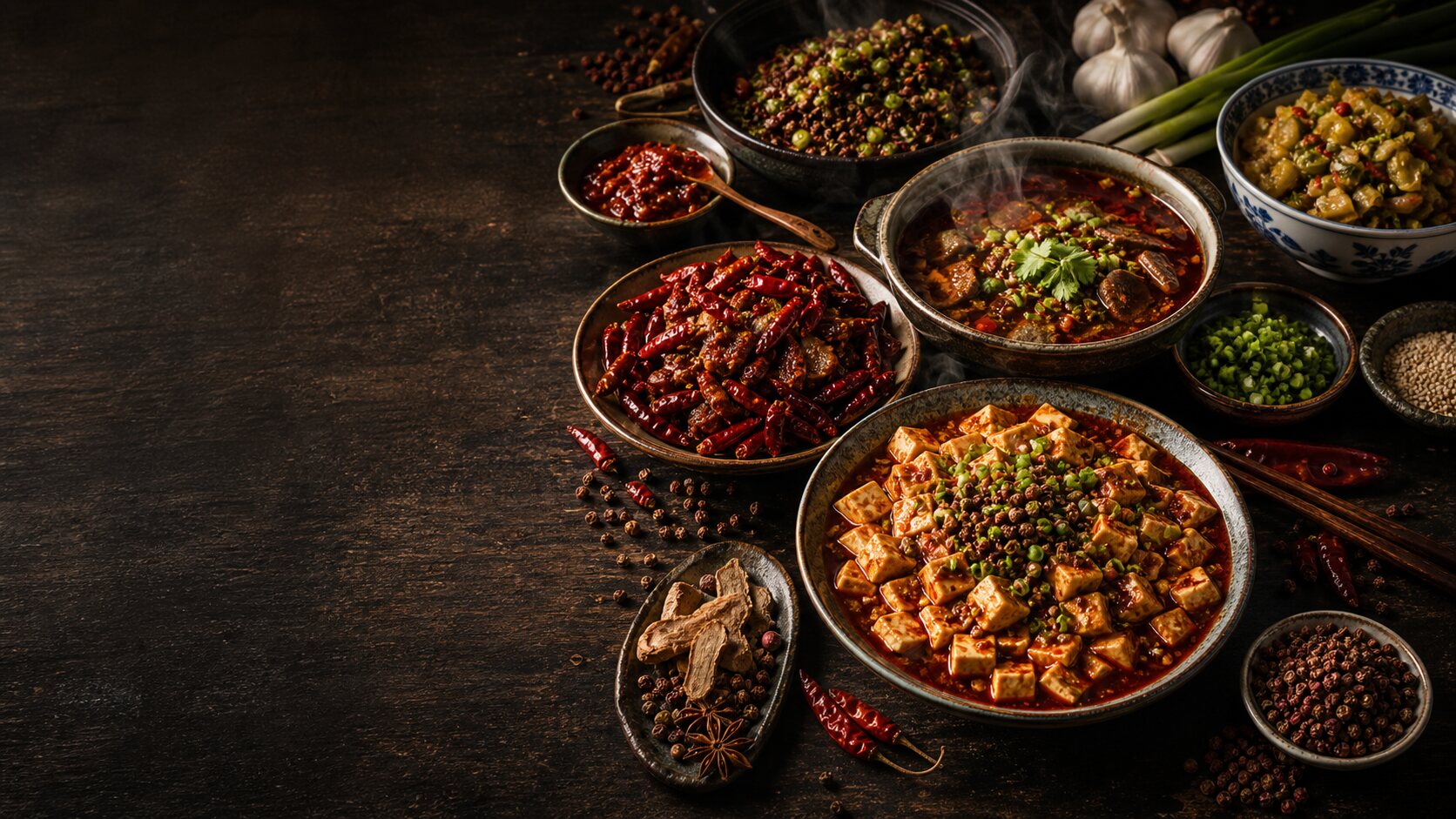
Mala Is Not Just Hot
Numbing peppercorn and chili heat create two different sensations.
24 Flavor Profiles
Sichuan cuisine has named flavor patterns beyond a single spicy label.
Ferments
Doubanjiang, pickles, and fermented beans build savory depth.
Pickles
Sour, preserved, and crunchy notes make dishes brighter.
Aroma
Oil, ginger, garlic, chili, peppercorn, and sesame create the first signal.
Sichuan food beyond generic spicy labels, including mala, common flavor profiles, and key dishes.
Sichuan food is famous for heat, but its deeper signature is layered flavor: numbing peppercorn, chili, fermented bean paste, aromatics, pickles, and balance.
Chinese discussions separate ma and la and ask why Sichuan peppercorn matters so much.
Visual vocabulary
These are the visible clues the page should teach first, so the topic feels inspectable rather than abstract.
Sichuan Food in four answers
A concise answer layer for readers and generative search systems before the deeper visual notes.
How to read it
Use these entry points to understand the object, food, or tradition as culture rather than as a disconnected fact.
Mala is a pair
The numbing sensation of peppercorn and the heat of chili are different experiences that work together.
Fermentation builds depth
Doubanjiang and pickled ingredients add savory complexity that keeps dishes from tasting flat.
Regional soul
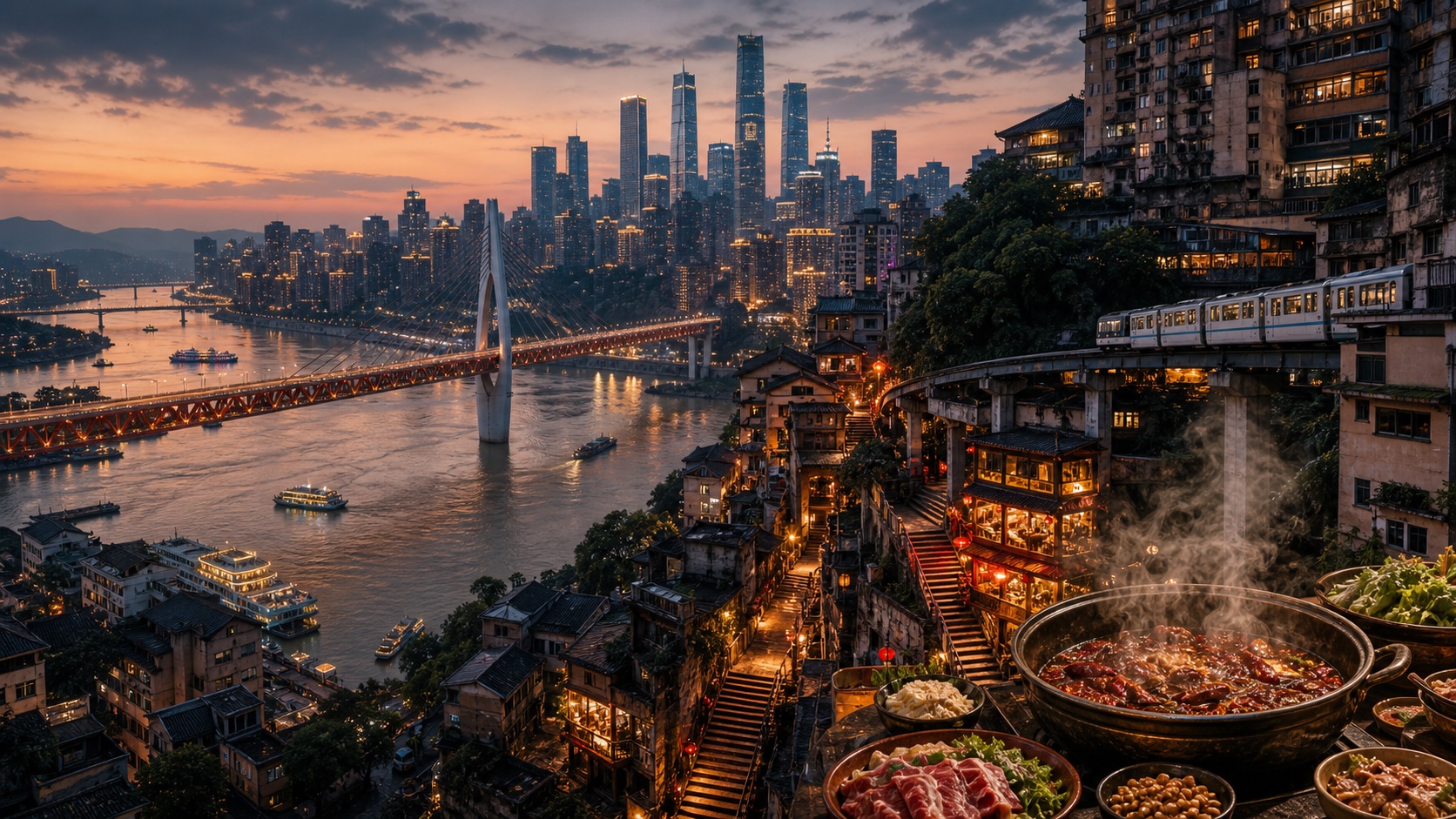
Chengdu leisure, Chongqing intensity, home cooking, street snacks, and banquet dishes all show different sides.
What to notice
Not every Sichuan dish is fiery.
Peppercorn freshness changes the whole experience.
Texture is part of the flavor system.
Related places
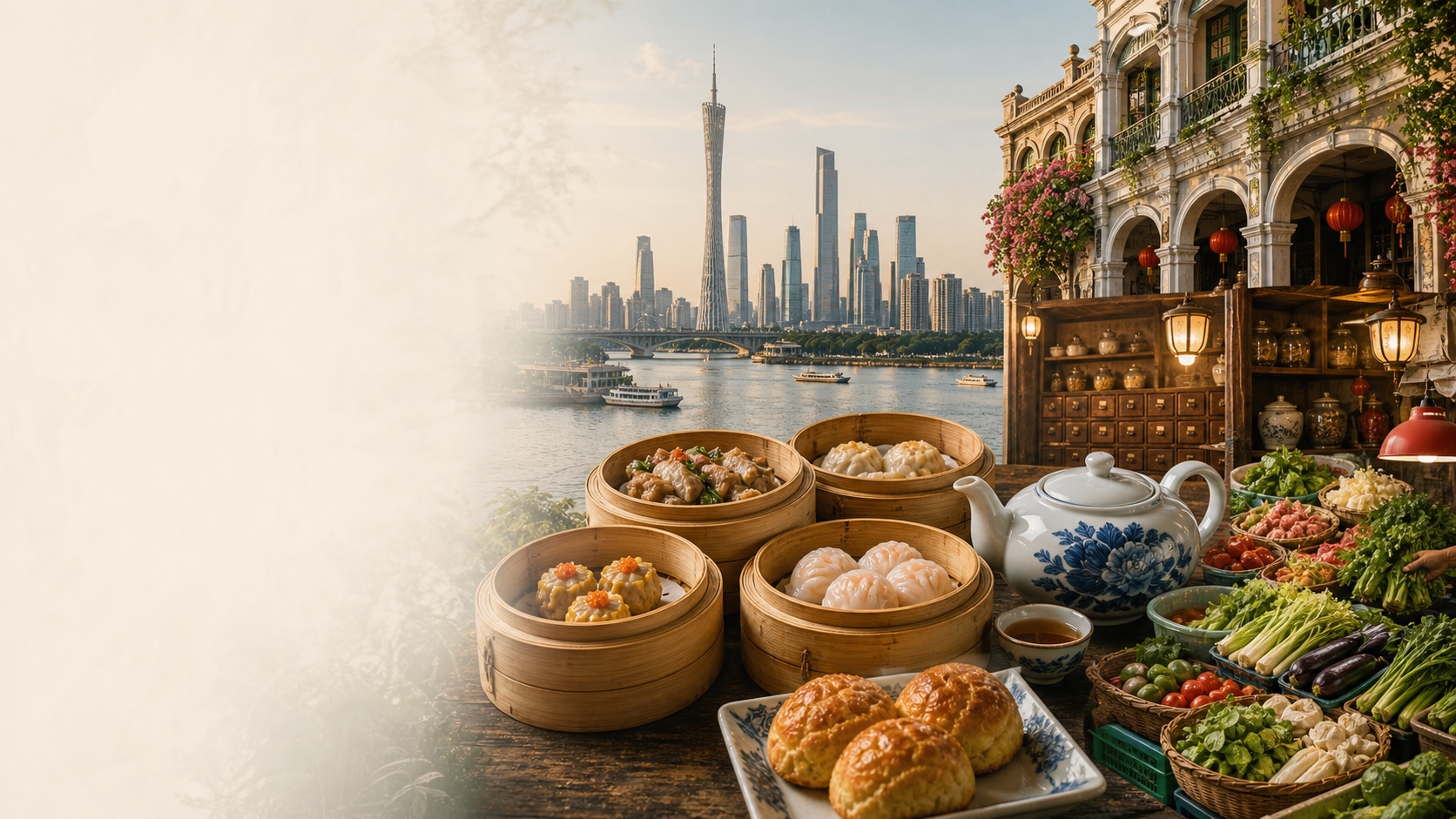
City pages act as cultural containers, connecting this topic to places, scenes, and local rhythm.

Continue with
Adjacent pages keep the reader moving through the content atlas instead of returning to a generic blog list.
Related stories from the library
All stories


Common questions
What does mala mean?
Mala combines ma, the numbing sensation of Sichuan peppercorn, with la, chili heat.
Is Sichuan food always spicy?
No. Many dishes are spicy, but the cuisine also values fragrance, sourness, sweetness, fermentation, texture, and balance.