-e1742971339568.png)
Culture
Chinese Calligraphy: brush rhythm, character form, and inner movement.
Calligraphy is writing, image, discipline, and temperament. A character can reveal rhythm before a reader understands the words.
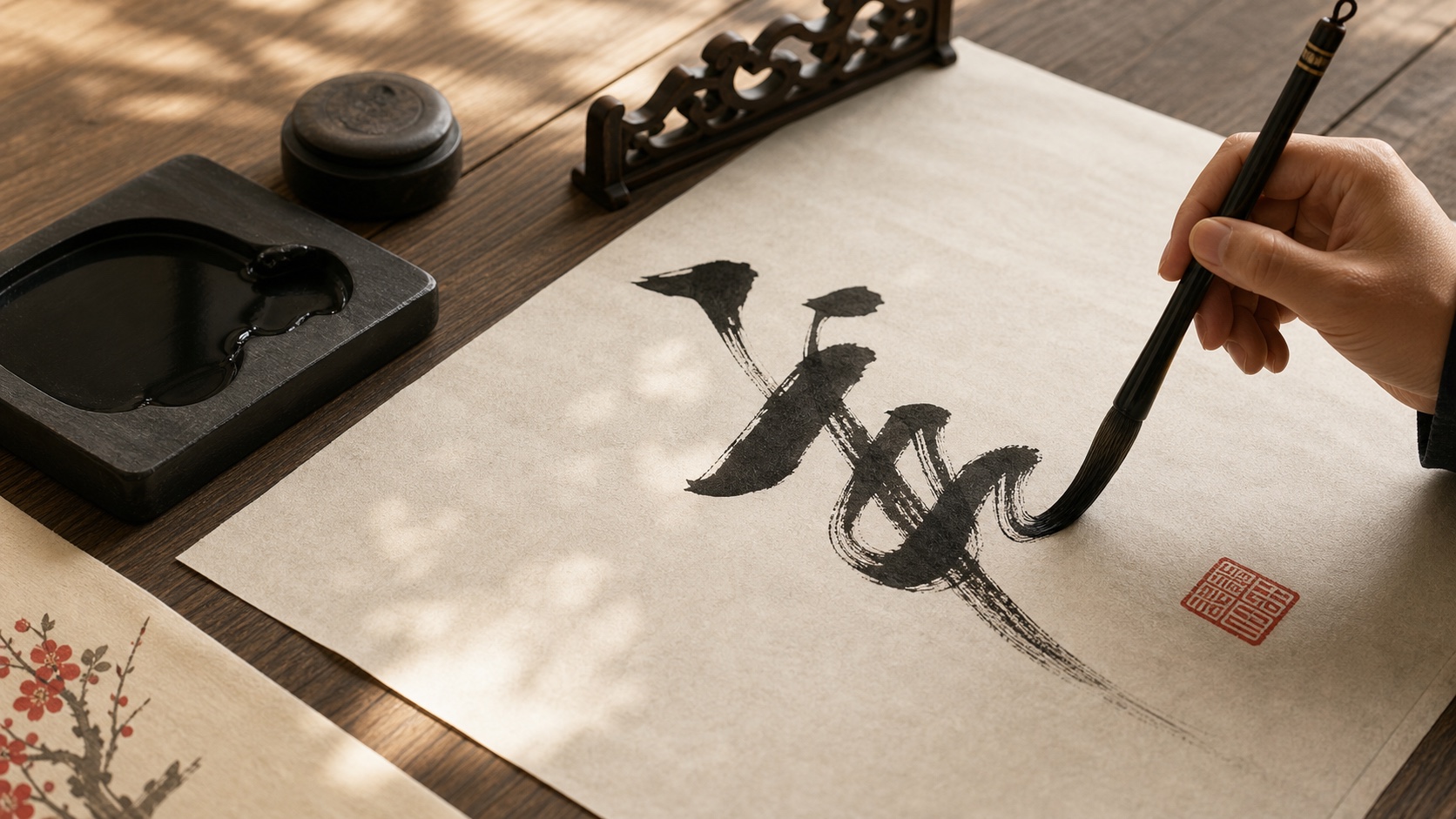
Chinese calligraphy for beginners: scripts, tools, brush movement, and how to look at a work.
Calligraphy is writing, image, discipline, and temperament. A character can reveal rhythm before a reader understands the words.
Chinese conversations often focus on why calligraphy is art, how to judge it, and how brush movement carries personality.
Visual vocabulary
These are the visible clues the page should teach first, so the topic feels inspectable rather than abstract.
Chinese Calligraphy in four answers
A concise answer layer for readers and generative search systems before the deeper visual notes.
How to read it
Use these entry points to understand the object, food, or tradition as culture rather than as a disconnected fact.
Stroke as movement
A calligraphy stroke records time. Speed, pause, lift, and pressure remain visible.
Character as architecture
Each character must balance structure and breath, even when written freely.
Reading without translation
Even without reading Chinese, viewers can notice tension, looseness, gravity, and rhythm.
What to notice
Do not judge only by neatness.
The white space around strokes is part of the work.
A strong piece often feels alive even when the form is restrained.
Related places
City pages act as cultural containers, connecting this topic to places, scenes, and local rhythm.
 Beijing
A place context for Chinese Calligraphy: streets, food, objects, architecture, and local rhythm.
Beijing
A place context for Chinese Calligraphy: streets, food, objects, architecture, and local rhythm.
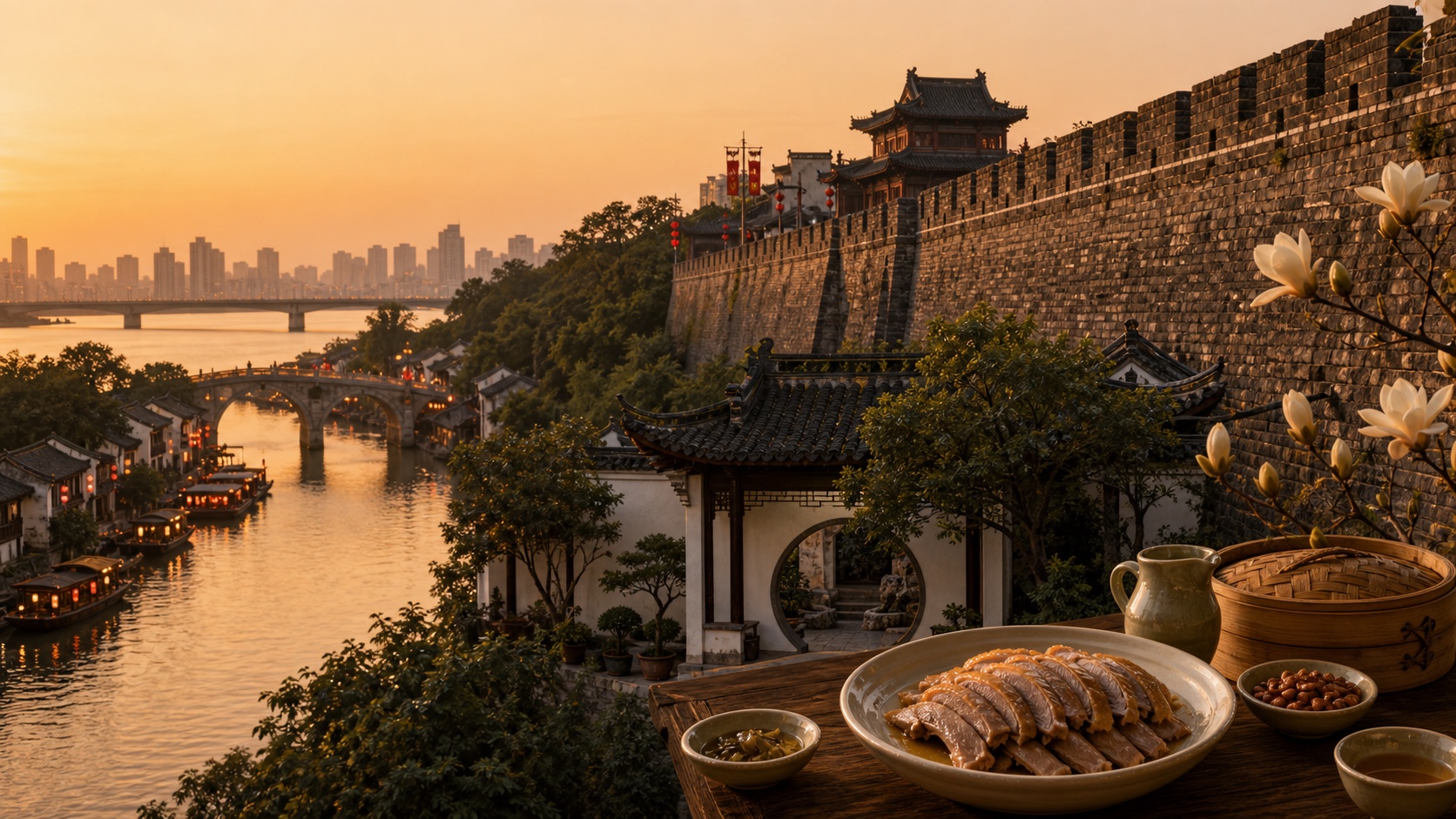 Nanjing
A place context for Chinese Calligraphy: streets, food, objects, architecture, and local rhythm.
Nanjing
A place context for Chinese Calligraphy: streets, food, objects, architecture, and local rhythm.
 Shanghai
A place context for Chinese Calligraphy: streets, food, objects, architecture, and local rhythm.
Shanghai
A place context for Chinese Calligraphy: streets, food, objects, architecture, and local rhythm.
Continue with
Adjacent pages keep the reader moving through the content atlas instead of returning to a generic blog list.
Related stories from the library
All stories

Common questions
Why is Chinese calligraphy considered art?
Because it combines linguistic form, bodily movement, rhythm, composition, and expressive discipline.
Can non-Chinese readers appreciate calligraphy?
Yes. They can notice stroke quality, composition, movement, balance, and emotional tempo before reading the exact words.