-e1742971339568.png)
Craft & Finds
Chinese Porcelain: kilns, cobalt, form, and cultural memory.
Porcelain is one of the clearest ways to read Chinese material culture: clay, fire, shape, pattern, trade, taste, and the patience of the kiln.
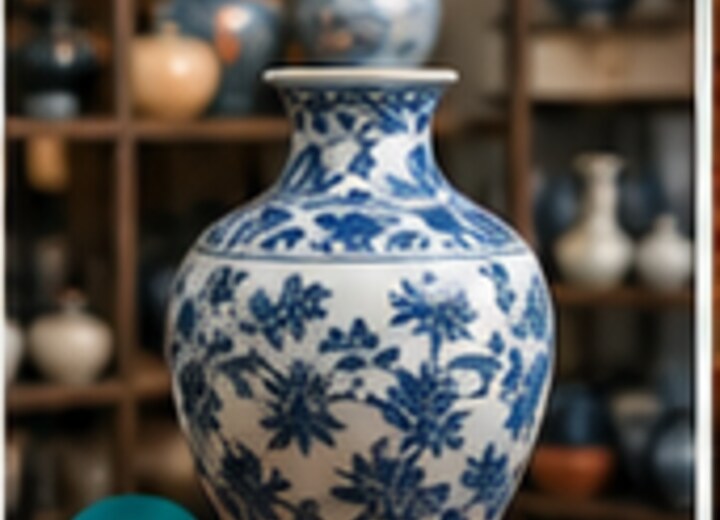
Form
Vase, bowl, jar, plate, cup, and how silhouette creates balance.
Body
Whiteness, density, translucency, foot ring, and fired strength.
Glaze
Clear, celadon, monochrome, famille rose, and surface depth.
Pattern
Lotus, peony, dragon, cloud, wave, landscape, and border rhythm.
Mark
Reign marks and workshop marks as clues, not automatic proof.
What Chinese porcelain is, why it became globally recognizable, and how a reader can notice quality, form, and meaning without becoming a collector.
Porcelain is one of the clearest ways to read Chinese material culture: clay, fire, shape, pattern, trade, taste, and the patience of the kiln.
Chinese readers often ask why blue-white porcelain is blue, why Yuan pieces are valued, and what makes one piece feel refined instead of merely decorative.
Visual vocabulary
These are the visible clues the page should teach first, so the topic feels inspectable rather than abstract.
Chinese Porcelain in four answers
A concise answer layer for readers and generative search systems before the deeper visual notes.
How to read it
Use these entry points to understand the object, food, or tradition as culture rather than as a disconnected fact.
Material and fire
The story starts with clay body, glaze, kiln atmosphere, and temperature. Porcelain becomes cultural because technical discipline creates visual grace.
Pattern as language
Lotus, peony, clouds, waves, dragons, boys, and landscape scenes turn vessels into readable objects rather than only containers.
From use to symbol
Bowls, jars, vases, cups, and plates moved between daily life, court display, export trade, and modern design memory.
What to notice
Blue does not mean simple: cobalt varies from soft gray-blue to intense inky blue.
A good silhouette often feels balanced before the pattern is even considered.
White space is active. It gives rhythm and makes painted details breathe.
Related places
City pages act as cultural containers, connecting this topic to places, scenes, and local rhythm.
 Beijing
A place context for Chinese Porcelain: streets, food, objects, architecture, and local rhythm.
Beijing
A place context for Chinese Porcelain: streets, food, objects, architecture, and local rhythm.
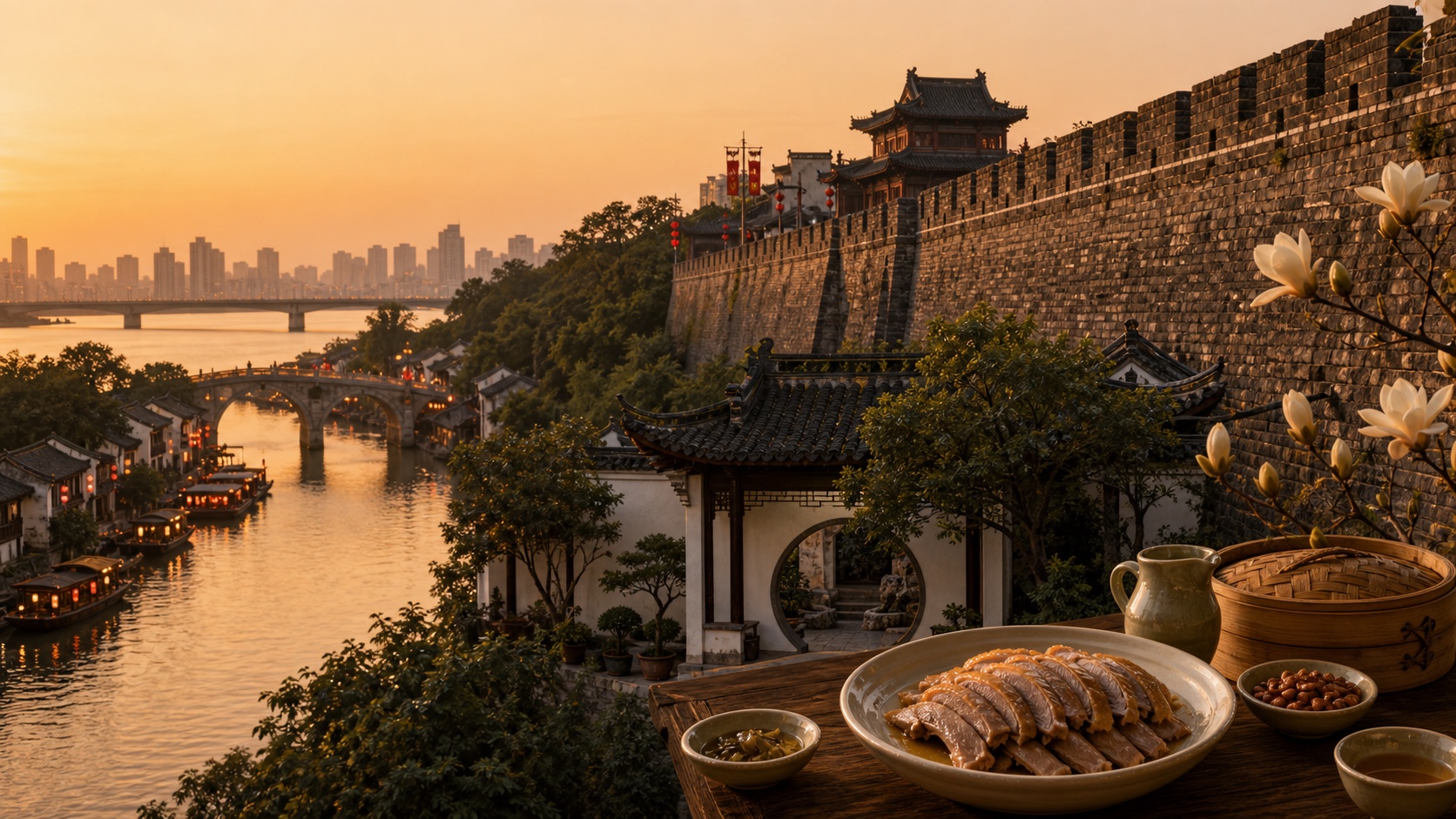 Nanjing
A place context for Chinese Porcelain: streets, food, objects, architecture, and local rhythm.
Nanjing
A place context for Chinese Porcelain: streets, food, objects, architecture, and local rhythm.
 Shanghai
A place context for Chinese Porcelain: streets, food, objects, architecture, and local rhythm.
Shanghai
A place context for Chinese Porcelain: streets, food, objects, architecture, and local rhythm.
Continue with
Adjacent pages keep the reader moving through the content atlas instead of returning to a generic blog list.
Related stories from the library
All stories


Common questions
Why is Chinese porcelain so famous?
Because Chinese kilns refined material, firing, glaze, and painted decoration early and at a scale that shaped global taste for centuries.
Is blue and white porcelain the same as all Chinese porcelain?
No. Blue and white is one famous family. Chinese porcelain also includes celadon, monochrome glazes, famille rose, sancai, and many regional kiln traditions.