-e1742971339568.png)
Culture
Chinese Symbols: colors, animals, characters, numbers, and auspicious signs.
Many Chinese objects and festivals become readable once you notice symbols: red, gold, fish, lotus, dragons, clouds, bats, numbers, and characters.
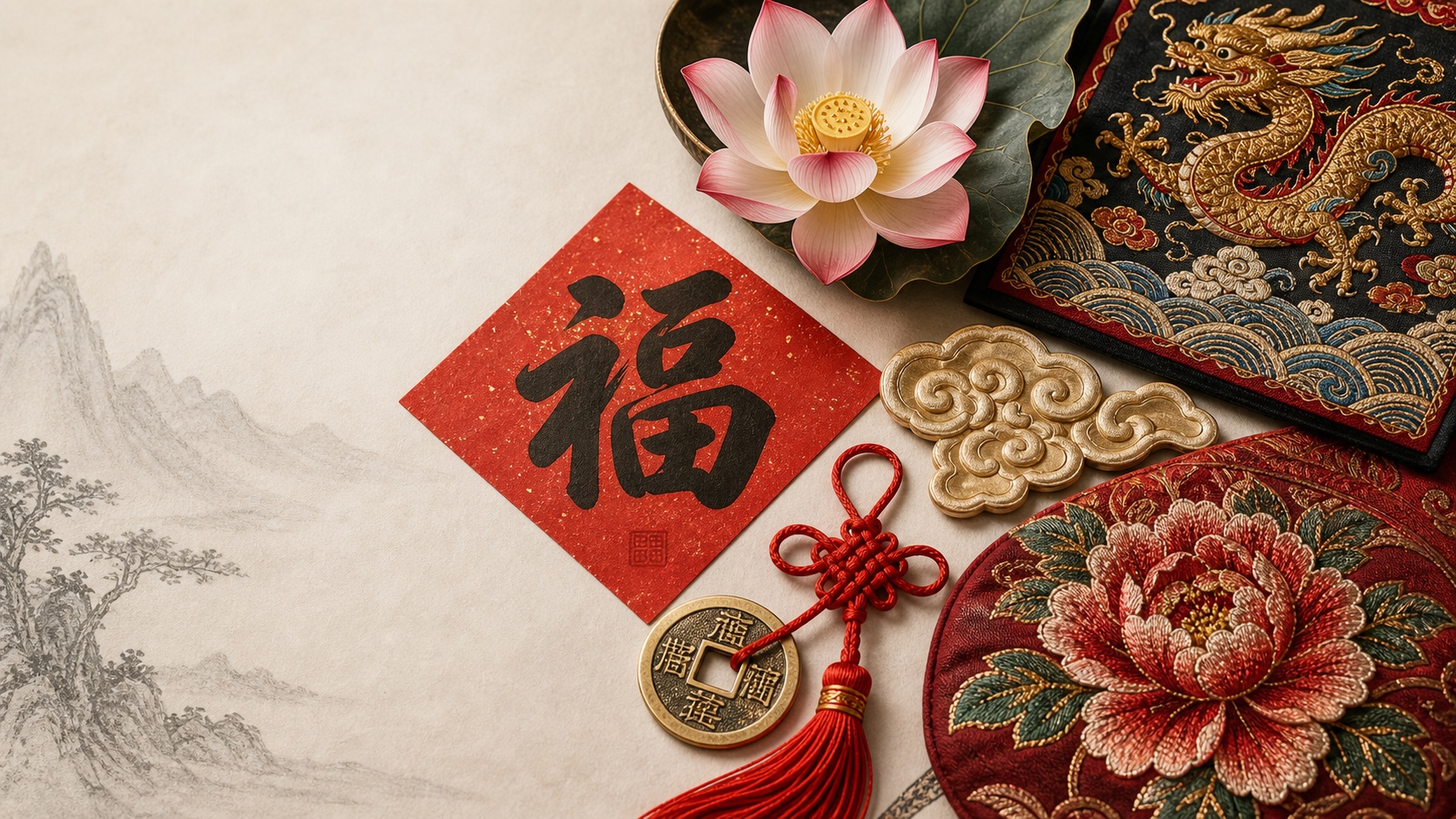
Color
Red, gold, black, white, and jade tones set social meaning.
Sound
Puns let images carry wishes through similar pronunciation.
Animal
Dragon, fish, bat, crane, and magpie each carry visual shorthand.
Flower
Lotus, peony, plum, chrysanthemum, and orchid carry seasonal tone.
Object
Coins, knots, vases, fans, and gourds become symbolic carriers.
Decoder page for recurring Chinese symbols used across objects, festivals, food, architecture, and visual culture.
Many Chinese objects and festivals become readable once you notice symbols: red, gold, fish, lotus, dragons, clouds, bats, numbers, and characters.
Chinese questions often ask why a symbol means good luck, which meanings come from puns, and why some images appear repeatedly.
Visual vocabulary
These are the visible clues the page should teach first, so the topic feels inspectable rather than abstract.
Chinese Symbols in four answers
A concise answer layer for readers and generative search systems before the deeper visual notes.
How to read it
Use these entry points to understand the object, food, or tradition as culture rather than as a disconnected fact.
Puns and sound
Many symbols work because words sound alike, turning images into verbal wishes.
Color as mood
Colors often set the social and ritual tone before any object is explained.
Repeated motifs
The same dragon, cloud, fish, lotus, or character can move across porcelain, paper cutting, doors, and festival decor.
What to notice
Ask whether the symbol is visual, phonetic, seasonal, or moral.
Meanings can shift by region and context.
A pattern often layers several wishes together.
Related places
City pages act as cultural containers, connecting this topic to places, scenes, and local rhythm.
 Beijing
A place context for Chinese Symbols: streets, food, objects, architecture, and local rhythm.
Beijing
A place context for Chinese Symbols: streets, food, objects, architecture, and local rhythm.
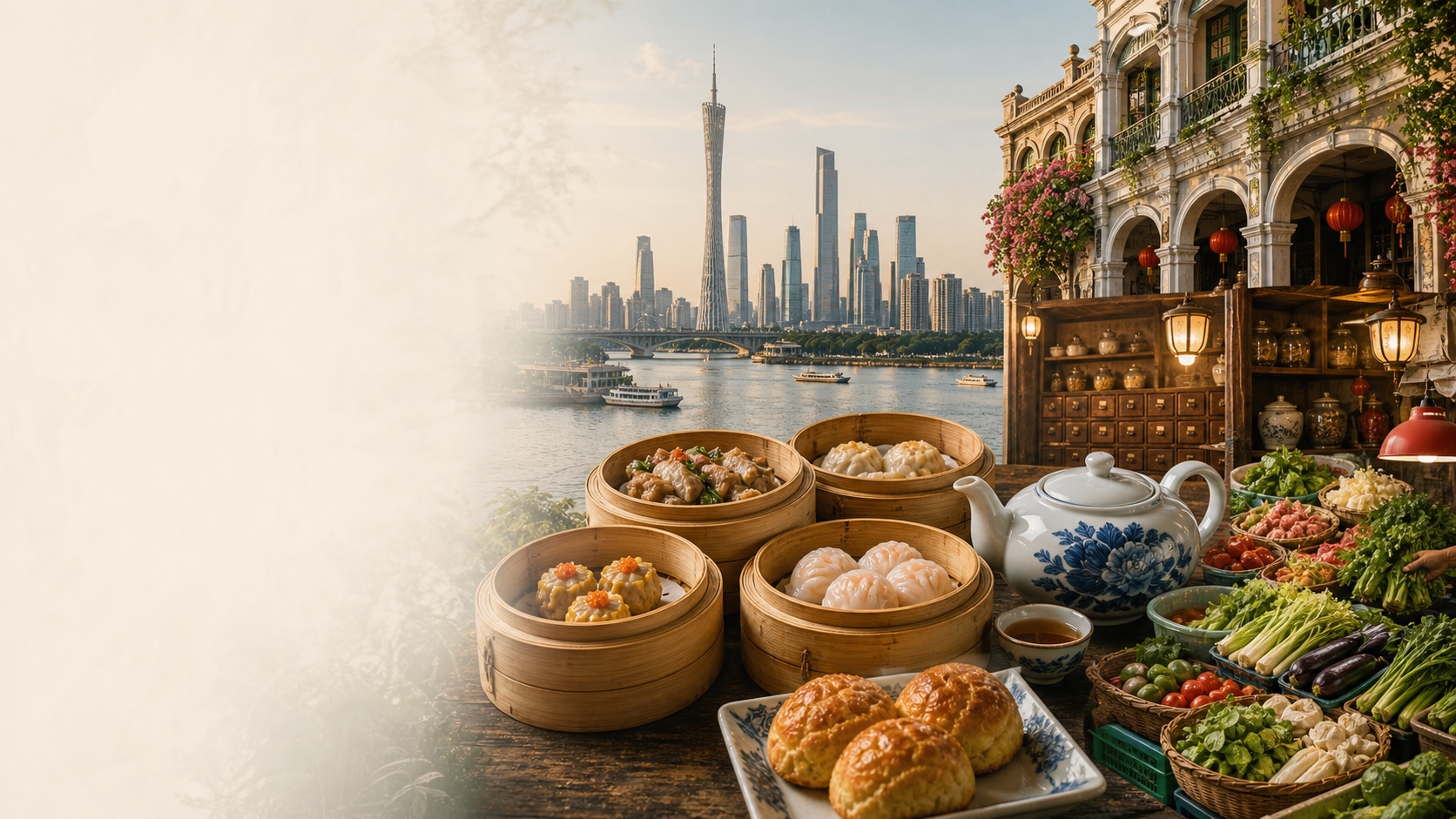 Guangzhou
A place context for Chinese Symbols: streets, food, objects, architecture, and local rhythm.
Guangzhou
A place context for Chinese Symbols: streets, food, objects, architecture, and local rhythm.
 Nanjing
A place context for Chinese Symbols: streets, food, objects, architecture, and local rhythm.
Nanjing
A place context for Chinese Symbols: streets, food, objects, architecture, and local rhythm.
Continue with
Adjacent pages keep the reader moving through the content atlas instead of returning to a generic blog list.
Related stories from the library
All stories


Common questions
Why do Chinese symbols often involve puns?
Because similar sounds let an image stand for a wish, such as abundance, blessing, success, or reunion.
Is every dragon or fish symbol the same?
No. The object, setting, historical period, and accompanying motifs shape the exact reading.