-e1742971339568.png)
 Beijing
Imperial memory, hutong life, museums, courtyard food, and the scale of a capital where old ritual and modern pace sit side by side.
Beijing
Imperial memory, hutong life, museums, courtyard food, and the scale of a capital where old ritual and modern pace sit side by side.
China Atlas
Read China through cities, regions, food, craft, scenery, and daily life.
Each city is a cultural container: architecture, table habits, objects, landscape, festivals, language, and modern street rhythm.
Start with a city character
Each card opens a city hub built around cultural lens, visual language, food memory, objects, scenery, and daily rhythm.
Beijing
Imperial memory, hutong life, museums, courtyard food, and the scale of a capital where old ritual and modern pace sit side by side.
Shanghai
Riverfront modernity, lane-house texture, design culture, old concessions, coffee streets, and a city identity built from exchange.
 Chengdu
Tea houses, Sichuan flavor, pandas, park life, mahjong tables, relaxed conversation, and a food culture with deep confidence.
Chengdu
Tea houses, Sichuan flavor, pandas, park life, mahjong tables, relaxed conversation, and a food culture with deep confidence.
 Harbin
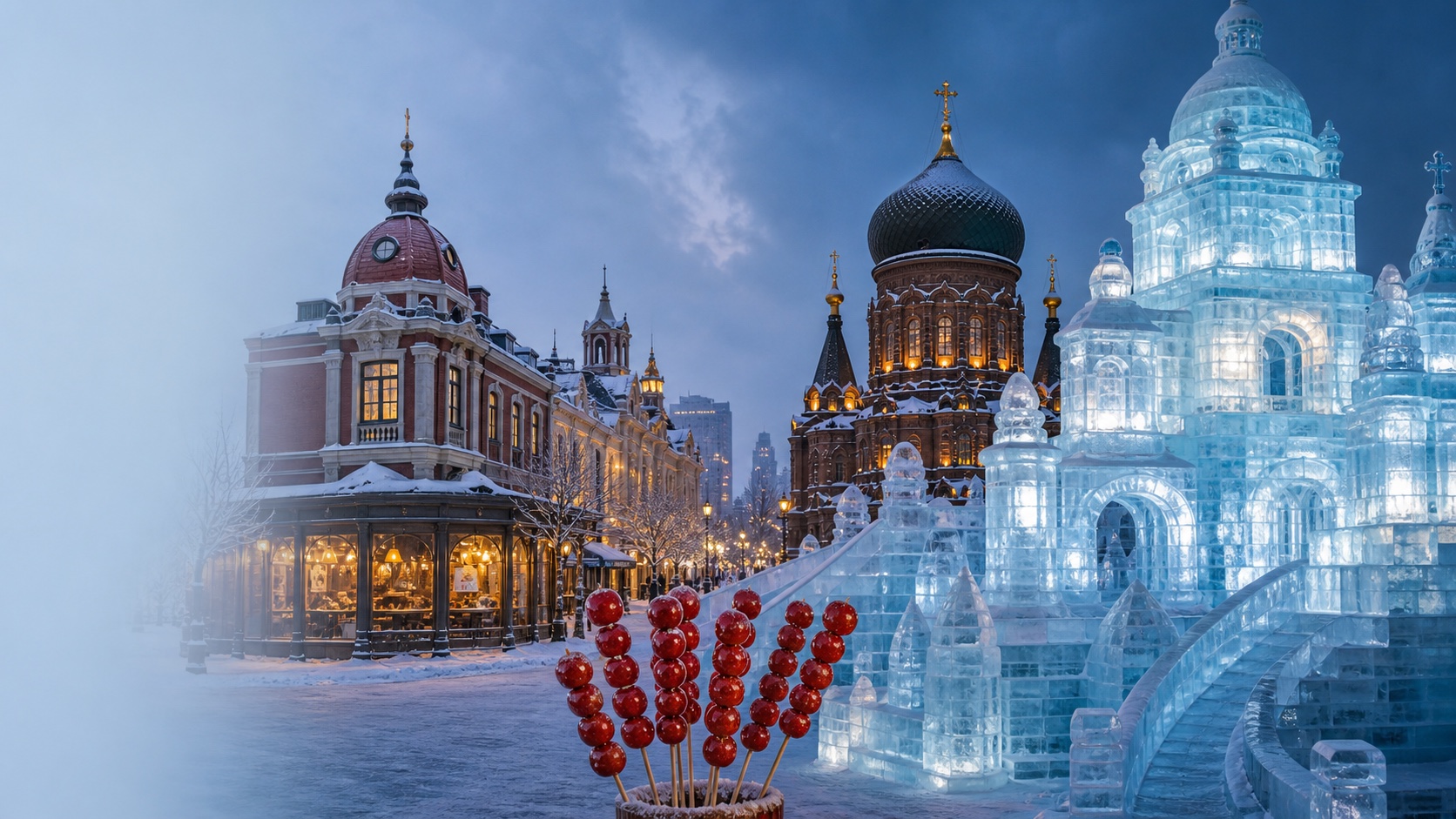
Northeastern winter, ice architecture, Russian-influenced streets, hearty food, music memory, and cold-weather city theater.
Harbin
Northeastern winter, ice architecture, Russian-influenced streets, hearty food, music memory, and cold-weather city theater.
Compare four city lenses
The atlas works when each place has a distinct reason to exist in the content system.
Beijing
Cultural lens: Dynastic capital and everyday alley texture
Signature scenes: Forbidden City roofs, hutongs, temple axes, roast duck, red walls, stone lions, and museum rooms.
Everyday rhythm: Formal landmarks soften into neighborhood breakfasts, courtyard shade, park exercises, and evening street conversations.
Shanghai
Cultural lens: Modern city, architecture, and visual hybridity
Signature scenes: The Bund, lilong lanes, neon towers, shikumen doors, xiaolongbao, museums, and creative districts.
Everyday rhythm: Fast skyline moments are balanced by small shops, breakfast windows, riverside walks, and neighborhood design details.
Chengdu
Cultural lens: Leisure, spice, tea, and Sichuan personality
Signature scenes: Tea bowls, hotpot steam, peppercorn numbness, bamboo, panda black-white contrast, and slow park afternoons.
Everyday rhythm: Chengdu feels unhurried without being sleepy: people sit, talk, eat boldly, and let daily life occupy public space.
Harbin
Cultural lens: Northern winter, ice, architecture, and cross-border texture
Signature scenes: Ice forms, Central Street, Saint Sophia silhouettes, bread, sausage, stews, fur hats, and snow-bright nights.
Everyday rhythm: The city’s character sharpens in cold air: bright lights, warm interiors, slow meals, and streets that become seasonal stages.
Choose by cultural lens
These lenses decide what each city page should explain and which supporting topics it should connect to.
Imperial Memory
Modern Streets
Food Culture
Craft Detail
Landscape Language
Everyday Life
More city hubs
Use these when a topic needs regional texture: food, scenery, craft, architecture, climate, or modern street life.
 Guangzhou
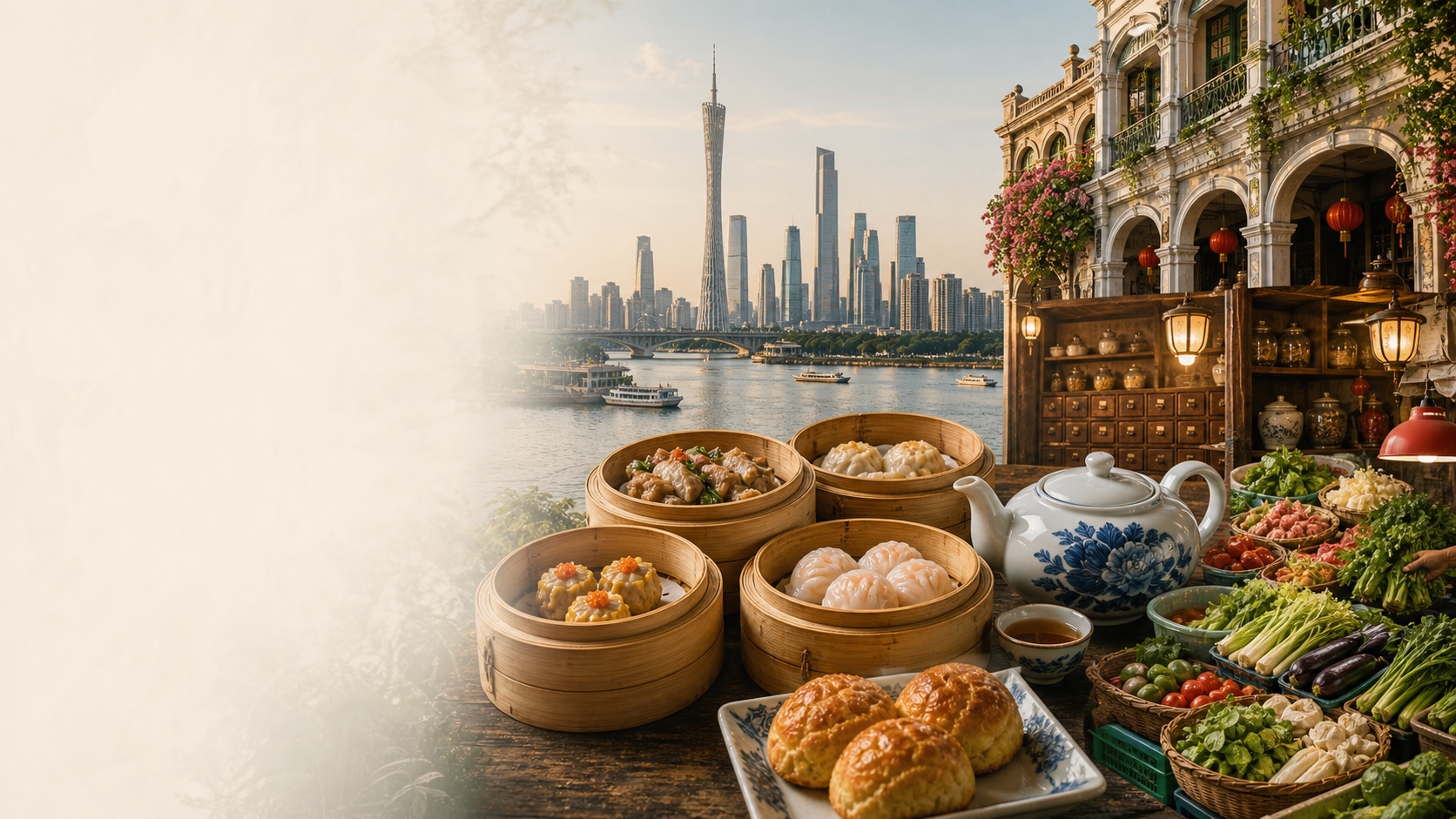
Cantonese table culture and southern commerce
Guangzhou
Cantonese table culture and southern commerce
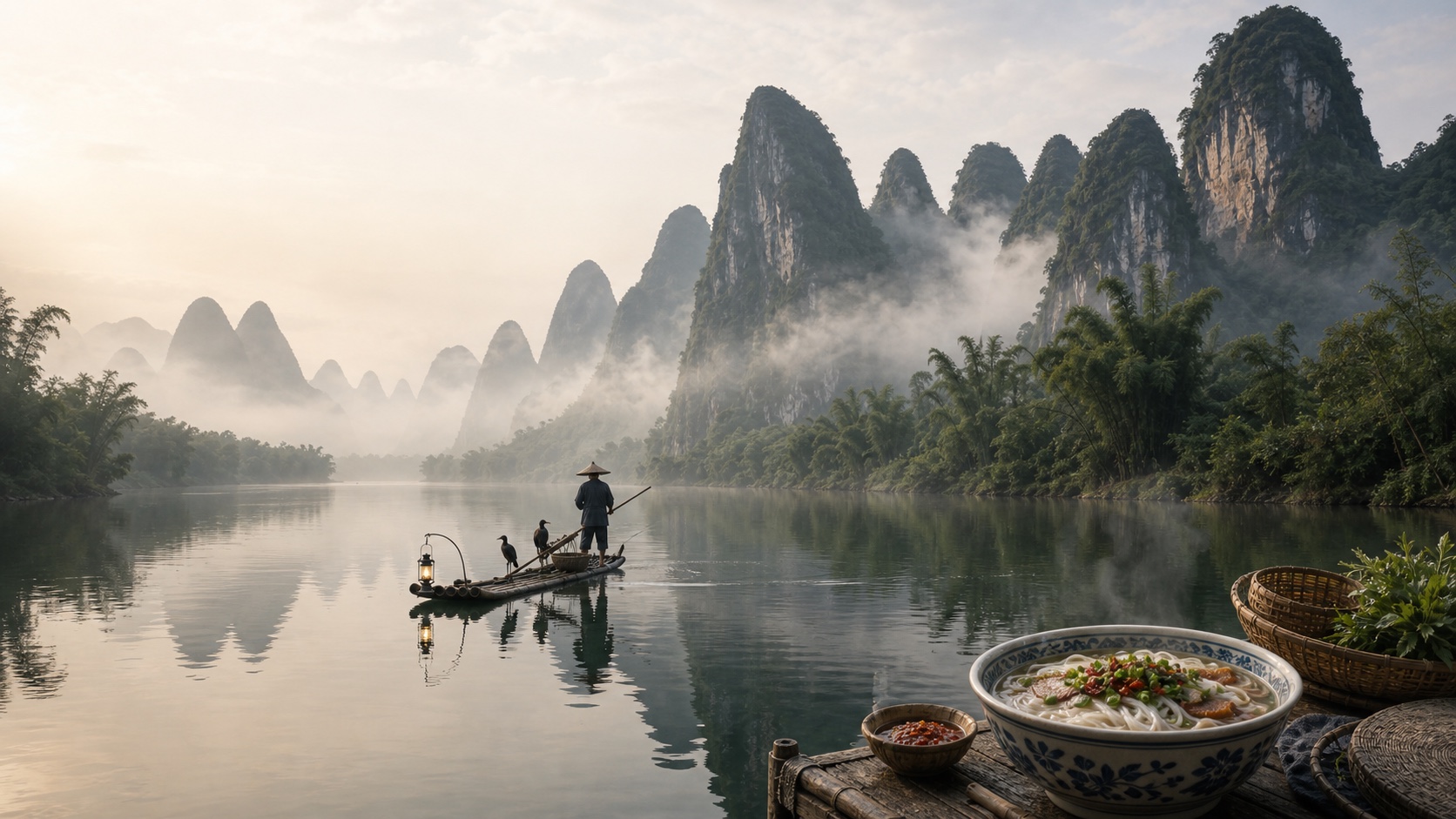 Guilin
Karst scenery and poetic landscape memory
Guilin
Karst scenery and poetic landscape memory
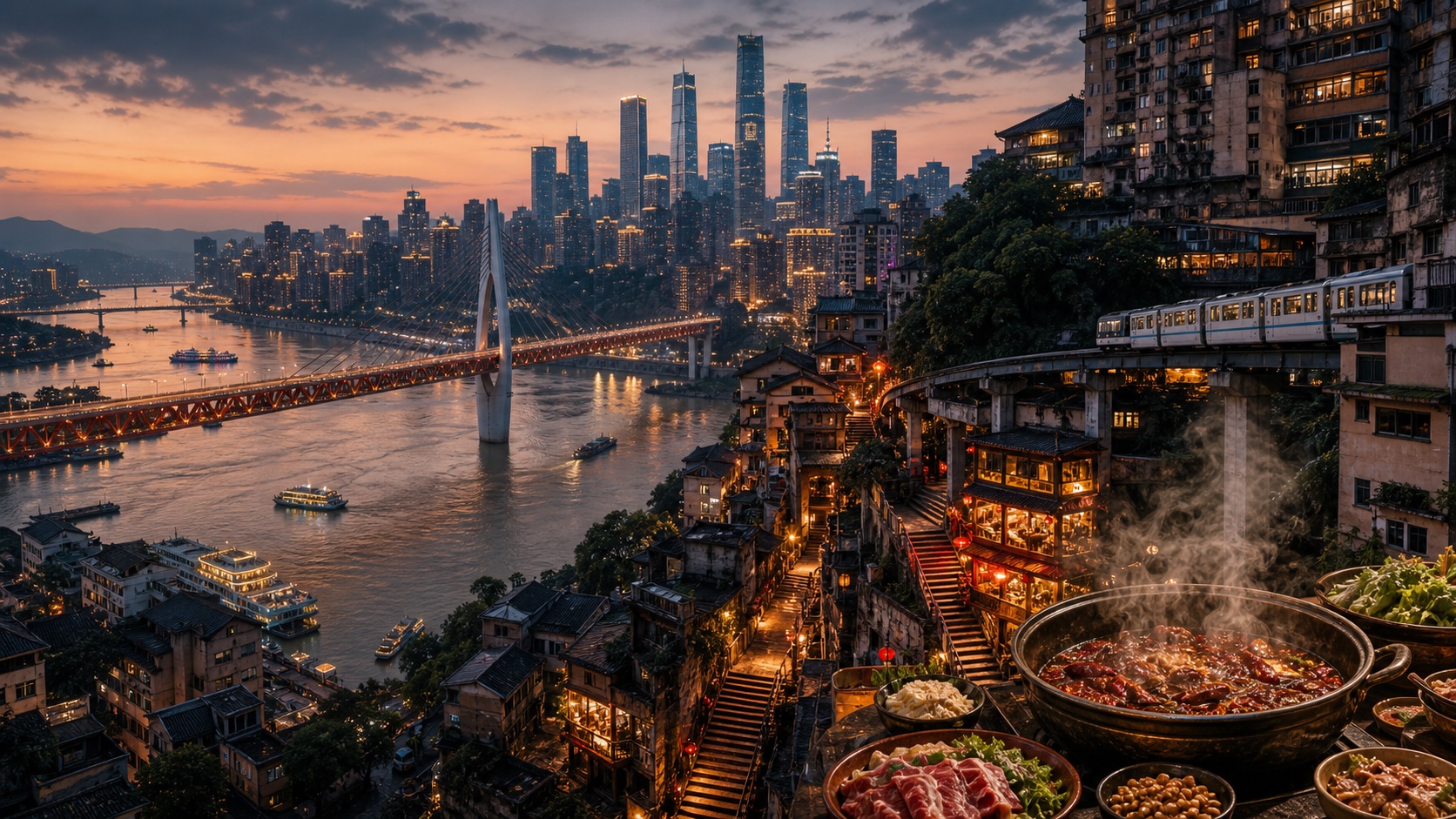 Chongqing
Vertical city, river culture, and hotpot intensity
Chongqing
Vertical city, river culture, and hotpot intensity
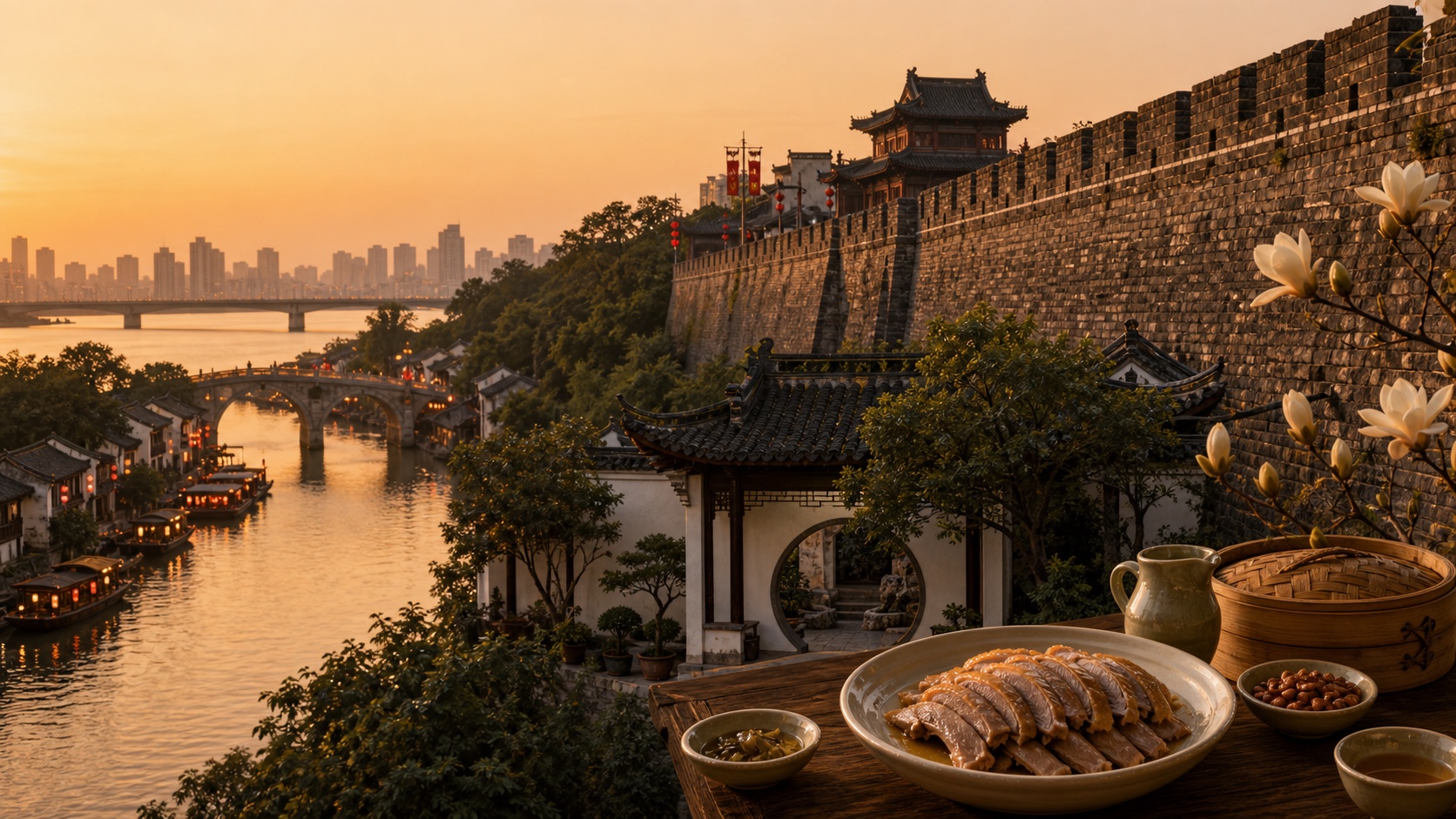 Nanjing
Historic city, scholar texture, and river memory
Nanjing
Historic city, scholar texture, and river memory
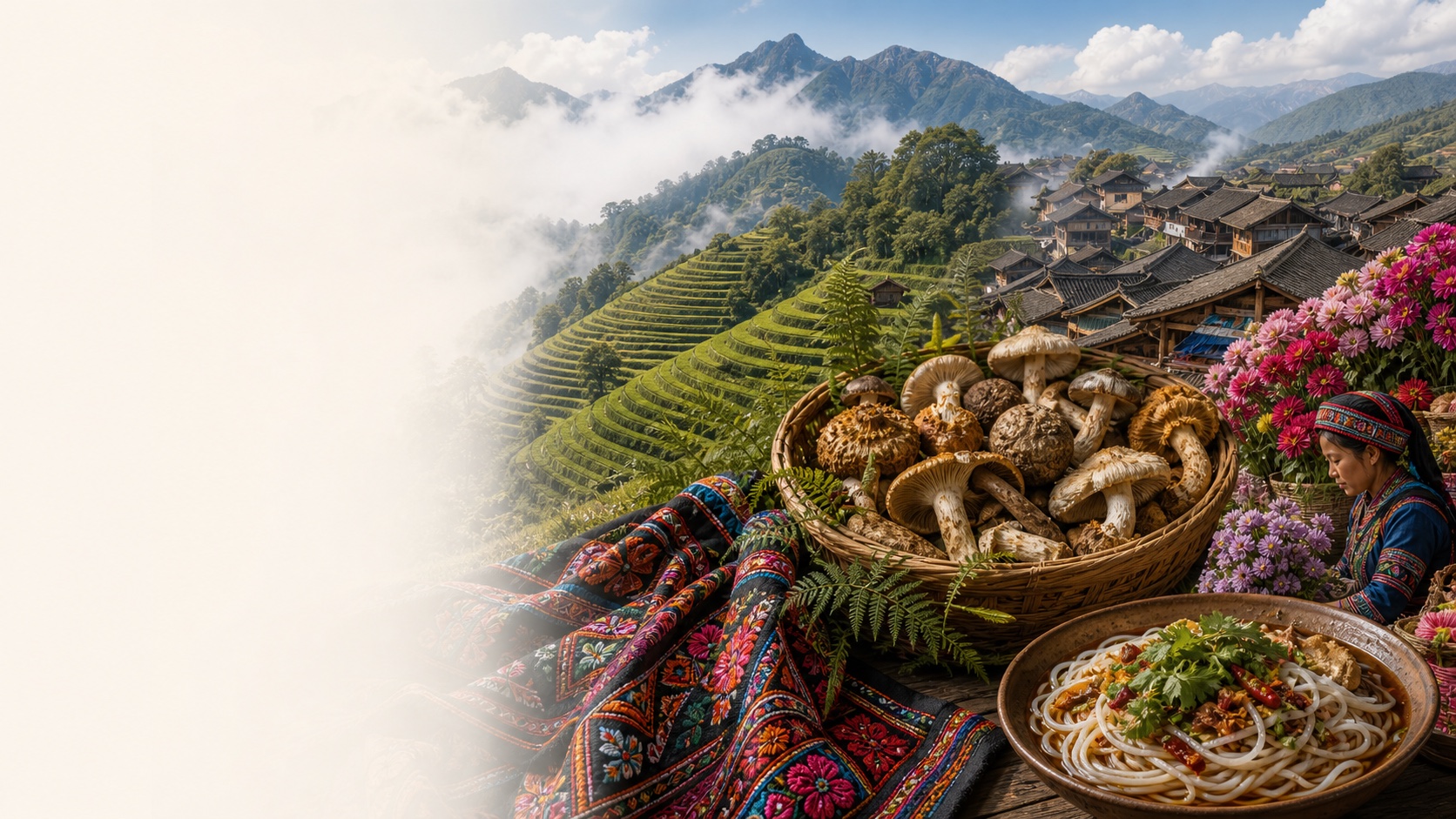 Yunnan
Highland diversity, tea, flowers, and craft color
Yunnan
Highland diversity, tea, flowers, and craft color
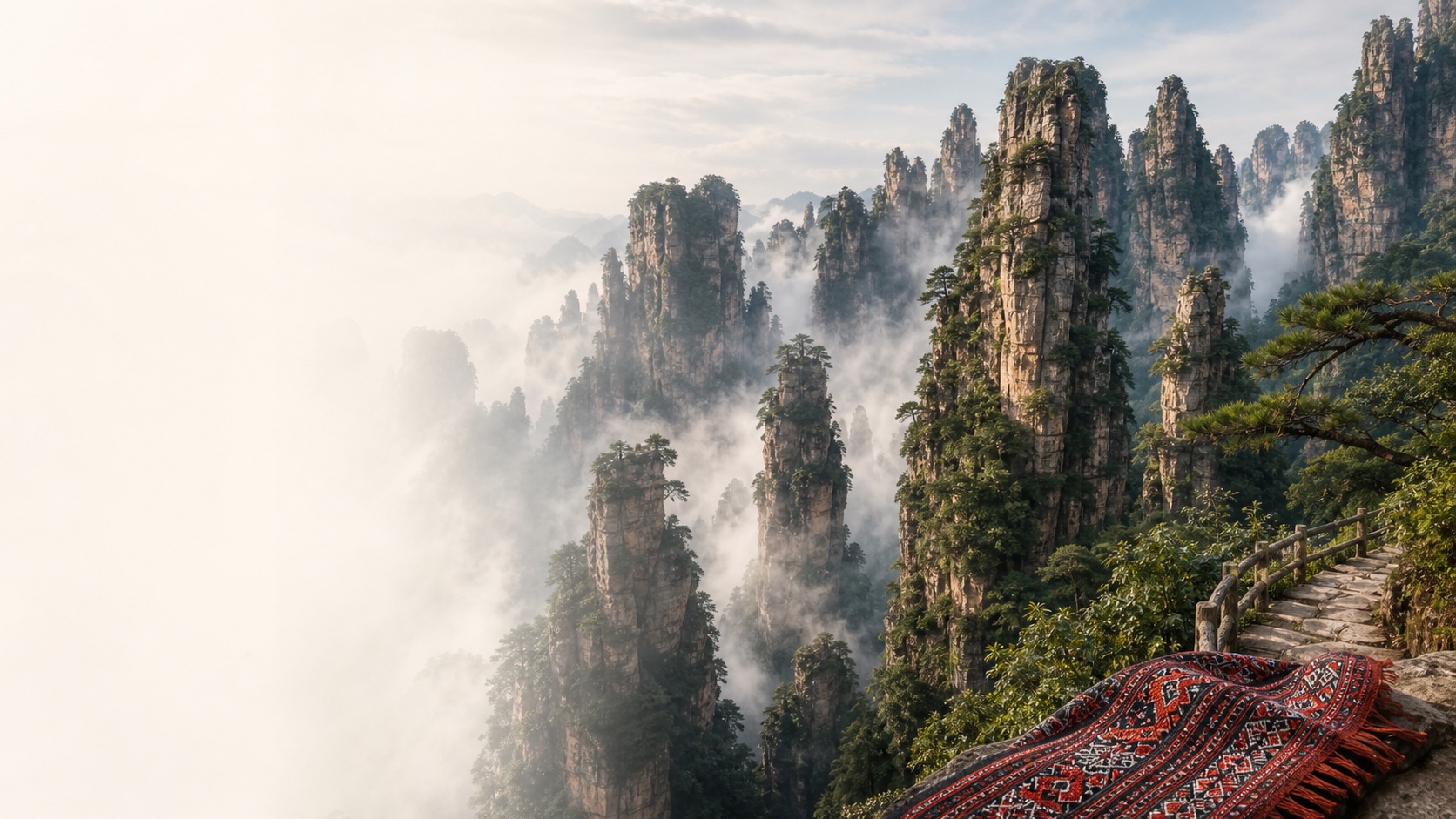 Zhangjiajie
Dramatic landform, mist, and mountain imagination
Zhangjiajie
Dramatic landform, mist, and mountain imagination
Build each city page in three layers
Name the cultural lens
A city page should immediately explain why this place matters: imperial memory, modern design, food culture, landscape, craft, or daily life.
Show visible evidence
Use images, objects, food, architecture, streets, colors, and scenes to make the claim inspectable.
Link into deeper topics
Every city should connect to food, craft, scenery, culture, modern life, and supporting stories instead of ending as a dead card.
This page is the content architecture map for the atlas: city hubs lead to topic pages, supporting stories, and visual cultural explanations.