-e1742971339568.png)
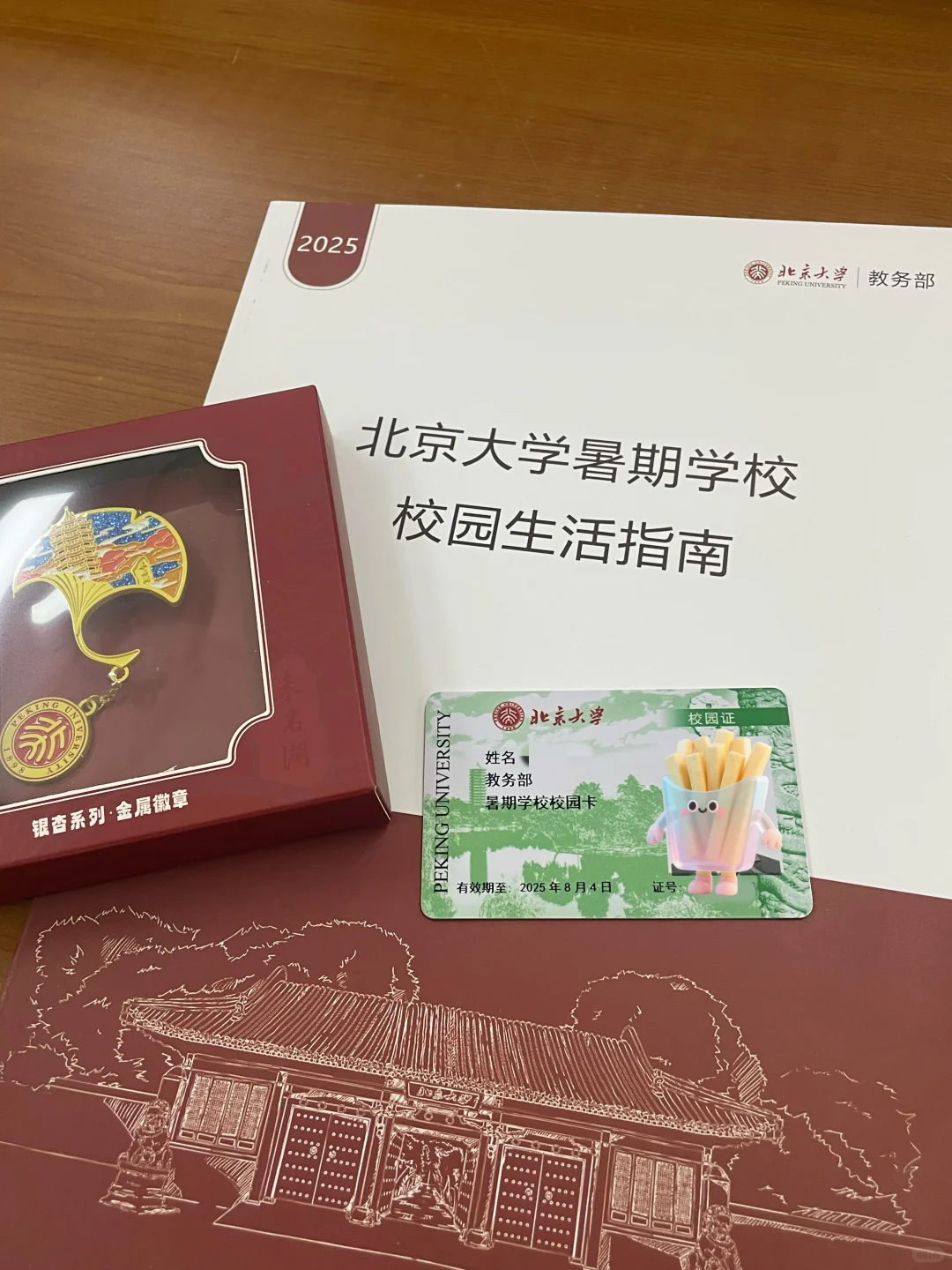
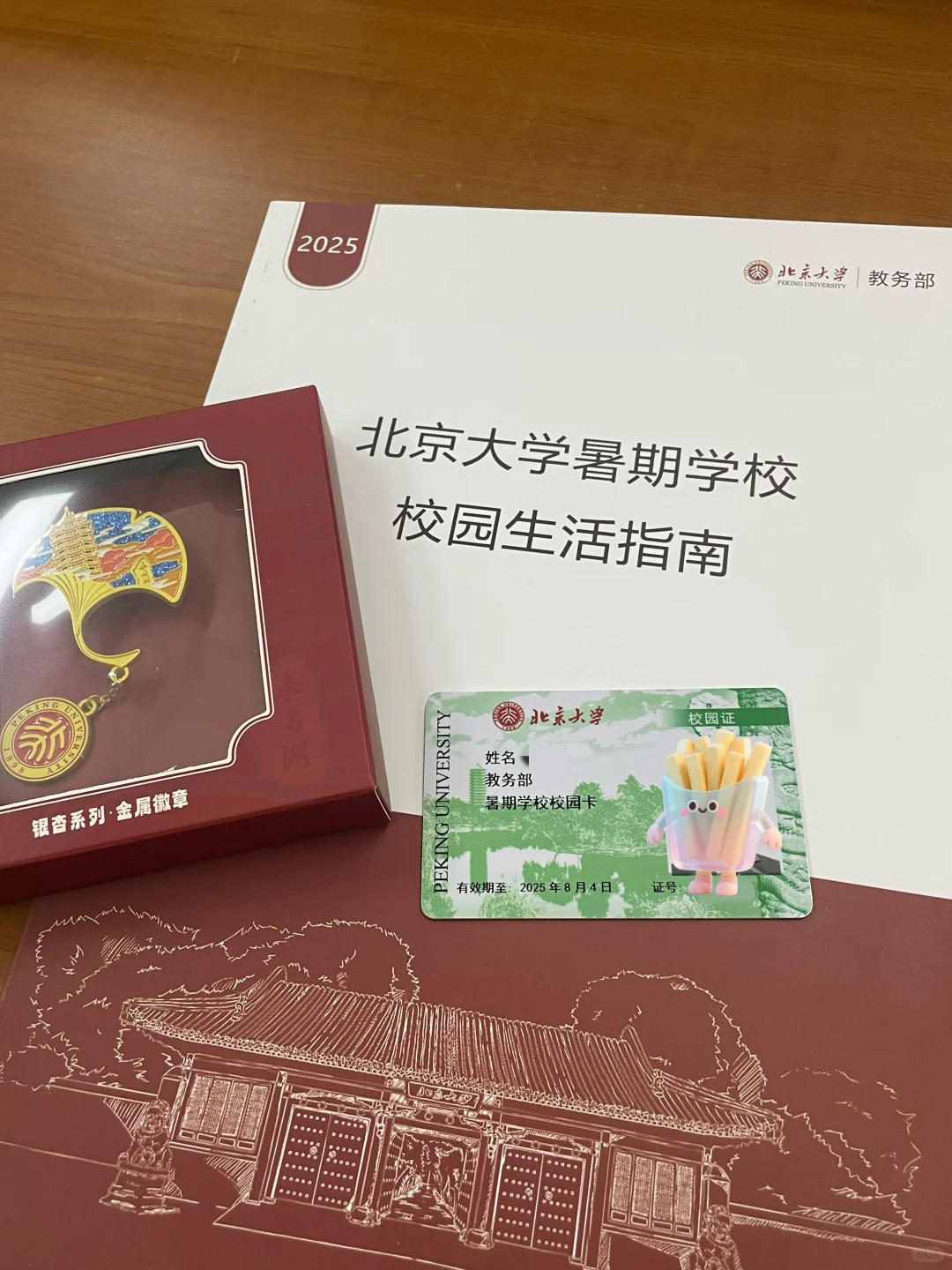
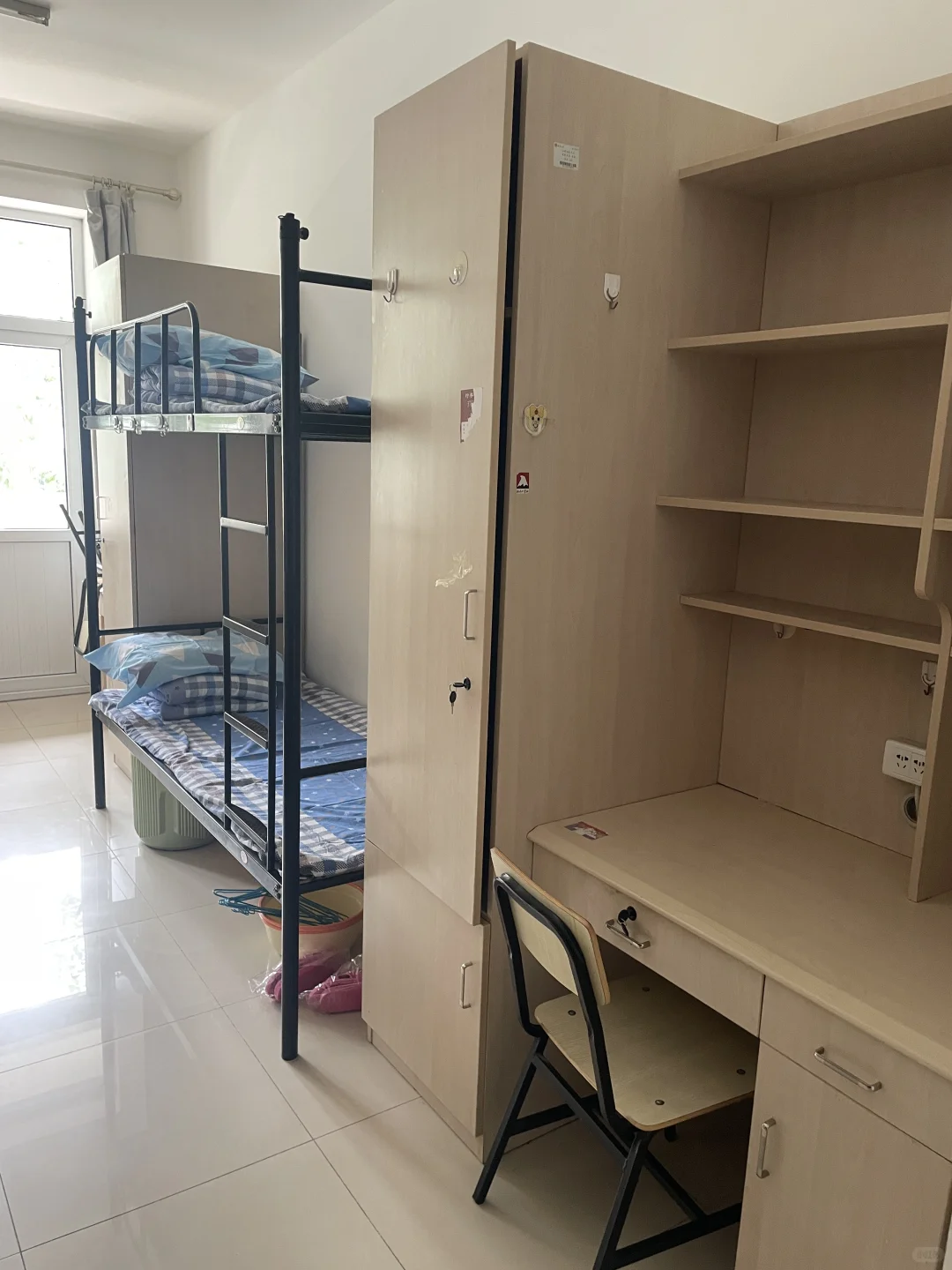
A Beijing university summer school is not only a schedule of classes and photos. It is a short chance to learn how the city works through campus routines, canteens, transit, museum days, heat management, language practice, and conversations with teachers or classmates. The best experience comes from linking study with daily observation.
n
Learn the campus before the city
In the first day, find the canteen, convenience store, pharmacy, laundry, nearest gate, metro stop, and program office. This practical map reduces stress later. A summer program often becomes busy quickly, and knowing the campus basics gives you more energy for class and city time.
Study rhythm and energy
Protect mornings and sleep. Beijing summer can be hot, bright, and tiring, especially if class is followed by group sightseeing. Do not treat every free evening as a major outing. Some of the best learning happens when you rest enough to listen, ask better questions, and notice more.
Food as learning
- Canteen meals show student daily life better than many restaurants.
- Nearby noodle shops, fruit stores, bakeries, and dumpling spots become part of campus memory.
- A group dinner can teach social etiquette, ordering, sharing dishes, and payment habits.
- Keep snacks and water available during long lecture or museum days.
Language practice without pressure
Use low-stakes routines: buying fruit, asking for directions, reading signs, ordering lunch, or greeting campus staff. A few practical phrases used kindly every day are more useful than a long memorized list that never leaves the notebook.
City learning beyond class
- Connect imperial history with a Forbidden City or Temple of Heaven day.
- Connect modern life with subway rides, cafes, delivery culture, and student districts.
- Connect art or politics with museum rooms rather than only scenic photos.
- Connect food culture with canteen choices and local restaurants.
- Keep a daily note of one phrase, one object, and one question.
Group travel habits
Program groups move slower than solo travelers. Expect meeting points, roll calls, bathroom breaks, and different energy levels. If you get free time, choose one nearby activity instead of disappearing across the city. Reliability matters in group study travel.
Safety and respect
Follow campus rules, program curfews, local laws, and photography boundaries. Do not photograph dorms, classrooms, or people closely without permission. Keep passport copies, emergency contacts, and program staff details accessible.
Current-info note: Check current official information before fixing tickets, transport, payments, or opening hours.
- Check your program’s official handbook, campus access rules, insurance instructions, and emergency contact process before arrival.
Related ChinaWink reads
For Beijing pacing, read the Beijing one-day itinerary and Beijing snack guide.
Keep exploring ChinaWink
For broader planning, use the China visitor guide, compare city ideas in Destinations, or continue through Blogs.
How to use weekends
Use one weekend block for a major Beijing sight and one for recovery or local life. A program schedule can make students feel they must see everything. In reality, a slow morning on campus, laundry, a noodle lunch, and a museum afternoon may teach more than a rushed three-attraction day.
What to record
Keep a small list of moments: a new word, a food name, a question from class, a street detail, and a social habit you noticed. These notes become useful later when writing reflections, applications, essays, or personal travel memories.
Reader takeaway
The point is to make one better decision after reading: what to choose, what to skip, what to check, and how to pace the day. A useful ChinaWink guide should reduce uncertainty without pretending every traveler needs the same route.
How to make the summer school visit feel grounded
A Beijing university summer day is easier to enjoy when you treat the campus as a living place, not only a photo stop. Mornings are usually better for gates, libraries, tree-lined paths, and lakeside walks, because the light is softer and the heat has not yet settled into the stone paths. Keep a printed or saved campus map, carry water, and confirm visitor entry rules before you go, since some gates may require registration or ID checks. If you are comparing programs, notice the daily rhythm around classrooms, cafeterias, sports fields, and study spaces. Those details tell you more about student life than a brochure-style landmark list.