-e1742971339568.png)
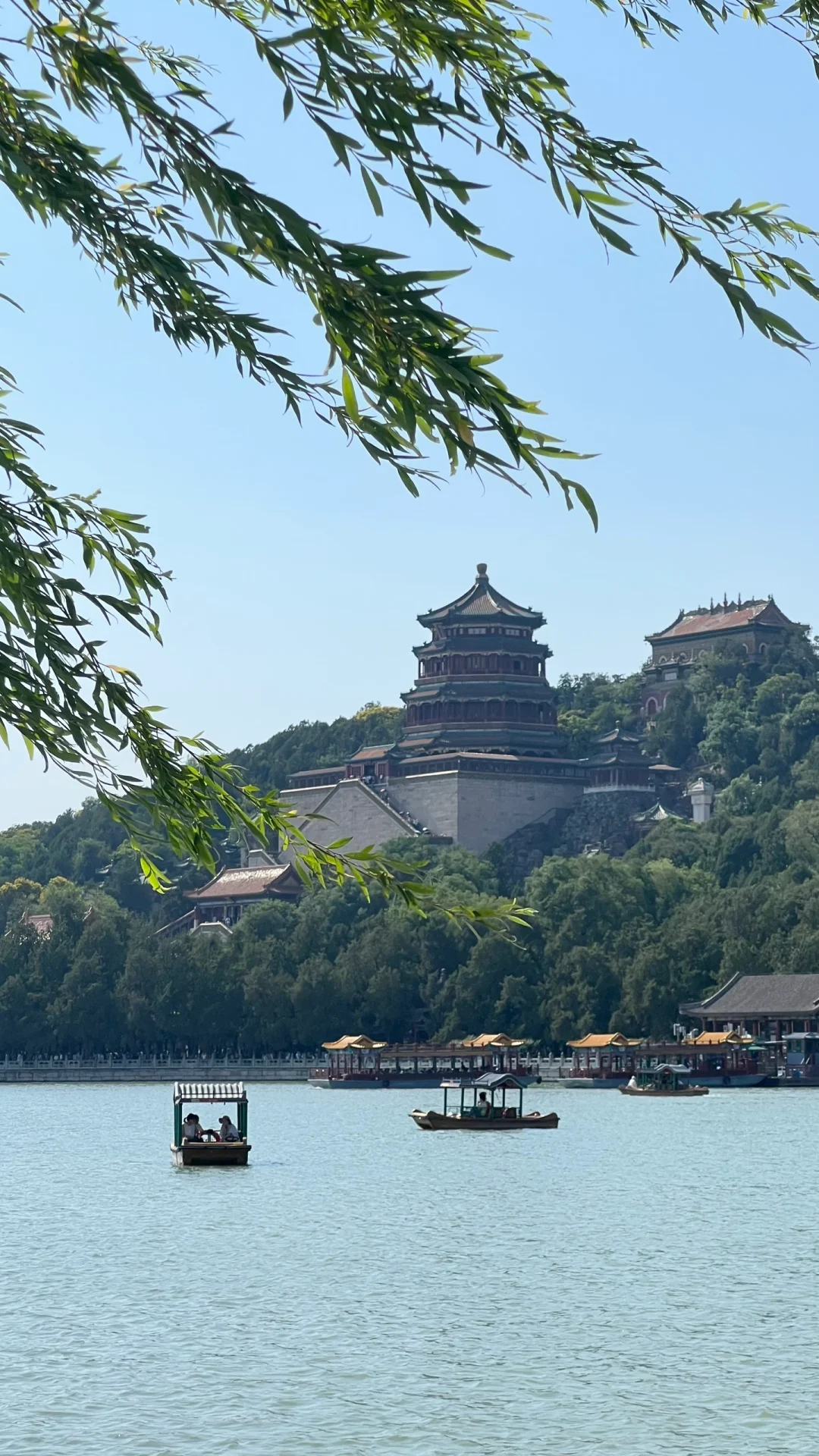
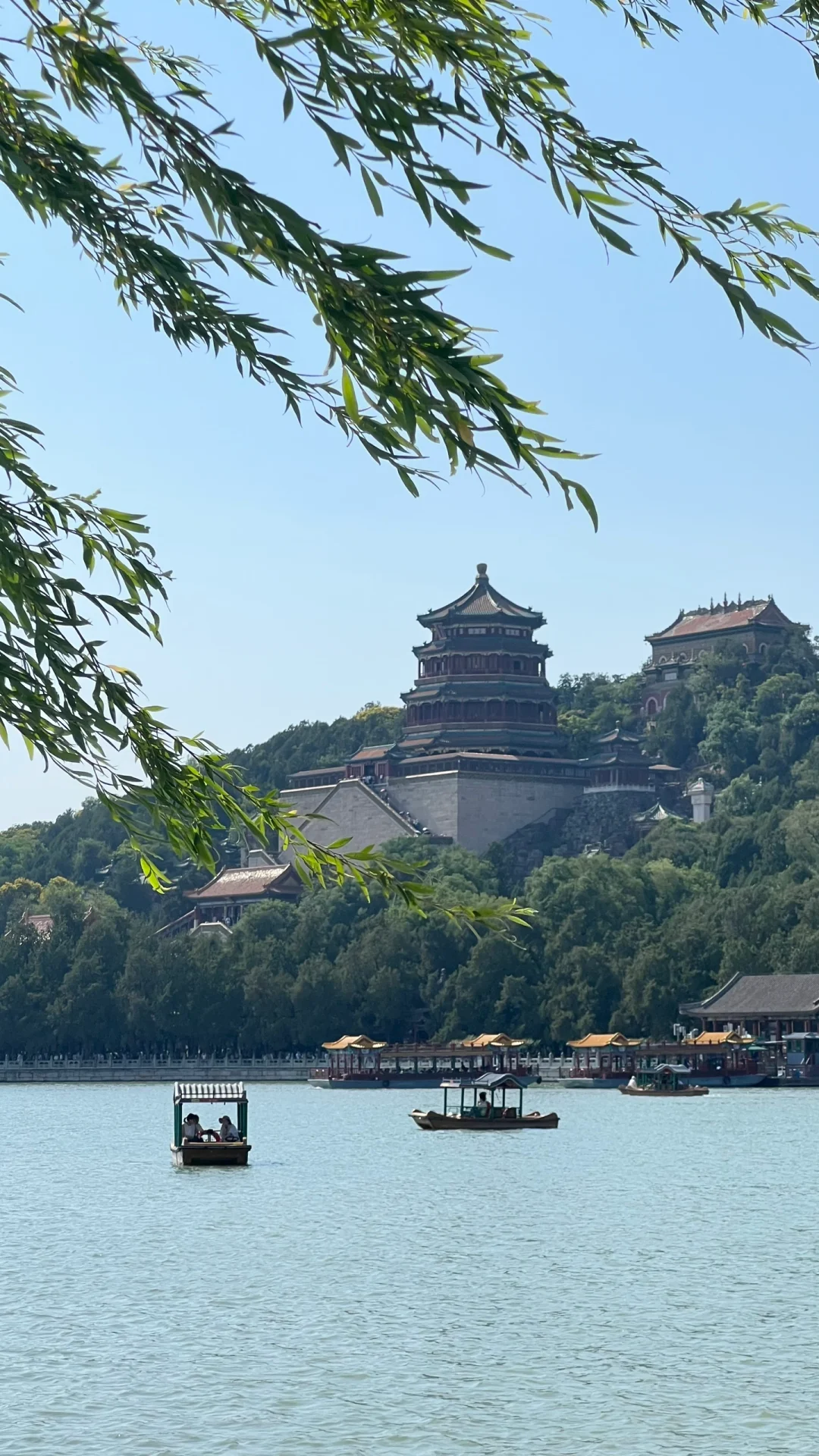
A Chinese courtyard garden is not simply a pretty outdoor space. It is a way of arranging quiet, privacy, movement, view, and meaning inside limited ground. Walls hide and reveal. Rocks suggest mountains. Water holds light. Plants mark seasons. A good garden teaches visitors to slow down and look in layers.


n
The basic idea: a small world inside walls
Courtyard and scholar-garden traditions often turn limited space into a complete landscape. Instead of making everything visible at once, the design guides the eye through doorways, windows, covered corridors, screens, and turns. The visitor discovers the garden gradually.
Five elements to notice
- Walls and gates: they create privacy, suspense, and framed entry.
- Water: ponds and channels reflect sky, buildings, and plants.
- Rock: stones can suggest mountains, caves, islands, or abstract energy.
- Plants: bamboo, pine, plum, lotus, orchid, and seasonal flowers carry cultural associations.
- Windows and corridors: they frame scenes like paintings and control walking rhythm.
Why rocks matter
Rock arrangements can feel strange to visitors expecting flowers first. In Chinese garden thinking, rocks can carry the feeling of mountains into a small courtyard. Their holes, wrinkles, lean, and texture invite imagination. The goal is not always realism; it is concentrated landscape feeling.
Water and reflection
Water gives a garden time. A pond changes with weather, leaves, fish, and sky. Reflections double buildings and soften stone. Even a small pool can make a courtyard feel larger because the eye travels down as well as forward.
How to read a garden while traveling
- Enter slowly and resist photographing everything immediately.
- Look through windows and gates before walking through them.
- Notice how a scene changes after three steps.
- Find one place to sit, even briefly.
- Ask what the garden hides, reveals, and repeats.
Where travelers encounter this language
Suzhou is the most famous city for classical gardens, but courtyard logic appears in temples, historic residences, old Beijing lanes, Lingnan gardens, teahouses, museums, boutique hotels, and recreated cultural spaces across China. Even modern designs may borrow framed views, bamboo shadows, or rock-water relationships.
Avoid the decorative patio mistake
Do not read Chinese courtyard design as generic decorative patio decoration. The cultural meaning comes from proportion, restraint, symbolism, seasonal change, and controlled movement. Copying a moon gate or rock without understanding the spatial logic misses the point.
Related ChinaWink reads
For cultural symbols, continue with the Chinese symbols guide or browse Destinations for garden-rich cities.
Keep exploring ChinaWink
For broader planning, use the China visitor guide, compare city ideas in Destinations, or continue through Blogs.
Season changes the garden
Spring may highlight blossoms and new leaves. Summer makes lotus, shade, and water more important. Autumn brings dry air, changing leaves, and clearer stone texture. Winter reveals structure because branches are bare and visitors are fewer. The same courtyard can teach different things across the year.
Photography advice
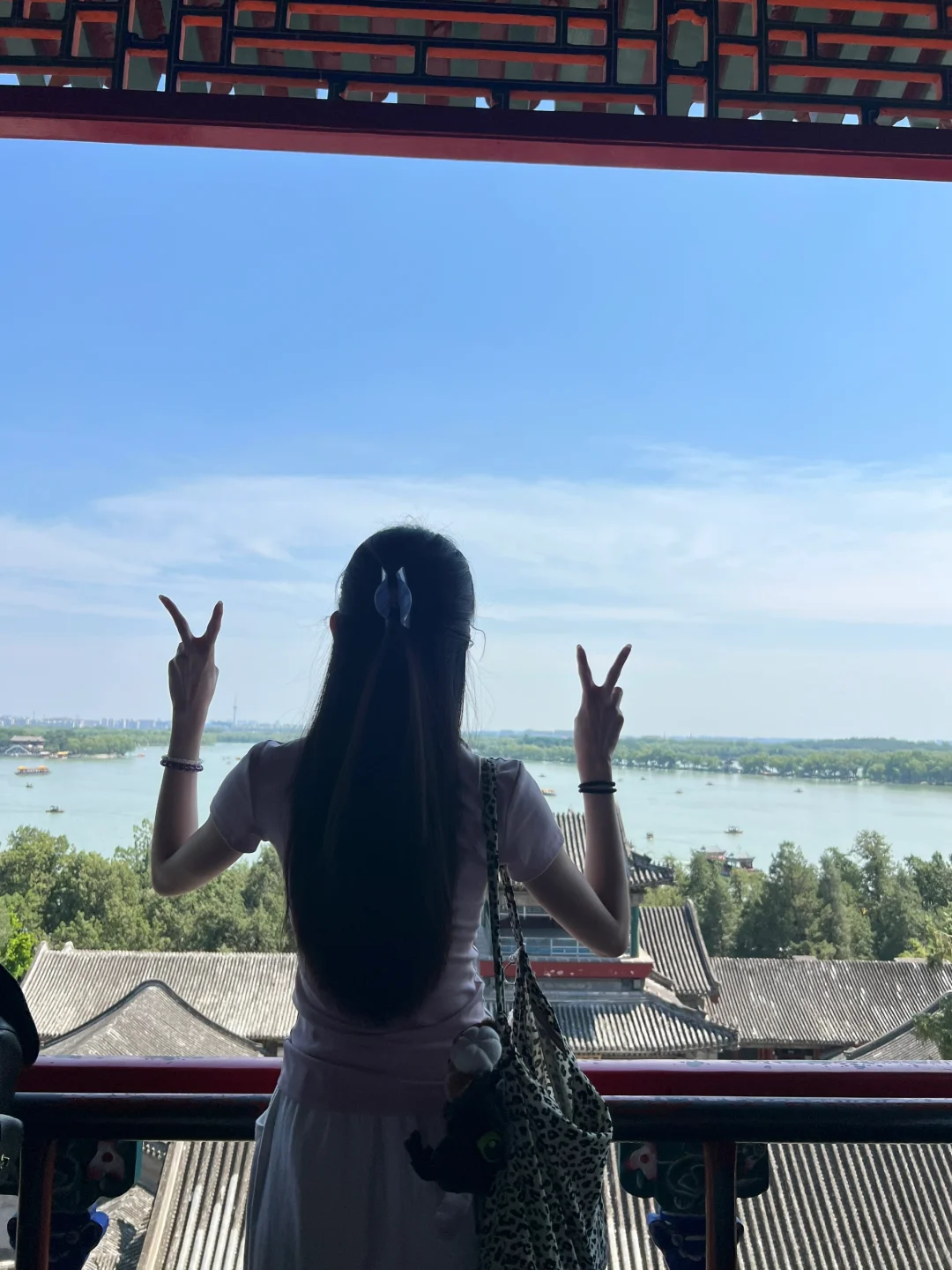
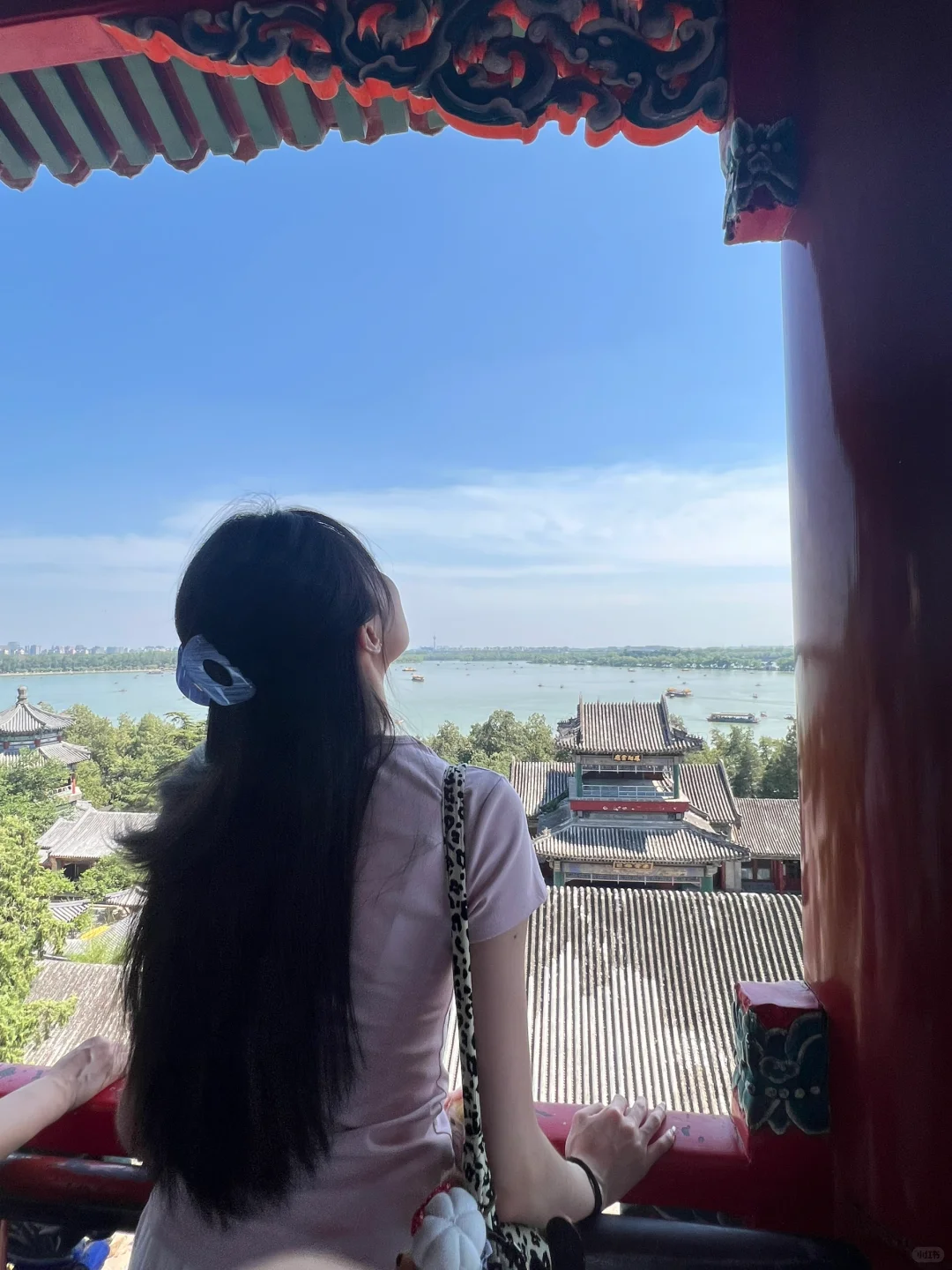
Photograph frames, reflections, corners, and partial views rather than only whole buildings. A moon gate, lattice window, bamboo shadow, or rock beside water often explains the design better than a wide shot. If people are resting in the garden, keep the camera respectful and do not turn private quiet into a prop.
Small-space lesson
The useful lesson for modern readers is not to copy a classical garden exactly. It is to create sequence: a threshold, a pause, a framed view, a texture change, and one living element such as water, stone, bamboo, or seasonal plants. Even a tiny courtyard can feel larger when it has depth rather than clutter.
Reader takeaway
The useful question is simple: what should you notice, choose, or avoid after reading this guide? If the answer is clear, the page belongs on ChinaWink. If the answer is only a pretty topic label, it needs more work. Use the guide as a starting point for slower, more attentive travel and culture reading.
Reader takeaway
The lesson is attention. A Chinese garden asks you to notice sequence, shadow, sound, threshold, reflection, and season. If you leave with one slower way of seeing space, the visit has done its work.
How to look at a courtyard garden slowly
The best way to read a Chinese courtyard garden is to pause at thresholds. Stand before a gate, a framed window, a bend in the path, or a change from stone to planting, then notice what the designer allows you to see and what is still hidden. This rhythm is the point. The garden is not asking for a fast checklist; it is teaching attention. If you are planning a culture-focused China route, pair this article with our China photography spots guide and Chinese symbols guide.