-e1742971339568.png)
Quick answer: Chinese dress traditions are best understood as culture, material, occasion, and identity working together. Hanfu points toward older clothing systems and ritual imagination; qipao or cheongsam carries modern urban elegance; fabrics, collars, fastenings, embroidery, and fit all shape meaning.
n
Why this topic belongs on ChinaWink
Clothing is one of the easiest ways to see how Chinese aesthetics move between history and daily life. A garment can show ideas about season, modesty, ceremony, body line, craft, family memory, or modern self-expression. The point is not to sell a costume. The point is to read what the form is trying to say.
Hanfu: system, silhouette, and revival
Hanfu is often discussed as traditional clothing associated with Han Chinese historical dress. In modern life, it appears in festivals, parks, graduation photos, museum events, tea spaces, and youth culture. The strongest examples pay attention to silhouette, fabric weight, layered collars, sleeve shape, and the setting where the clothing is worn.
Good Hanfu styling feels deliberate. It should not reduce Chinese history to a fantasy outfit. A respectful approach asks which period, shape, fabric, and occasion the garment is referencing.
Qipao and cheongsam: modern elegance
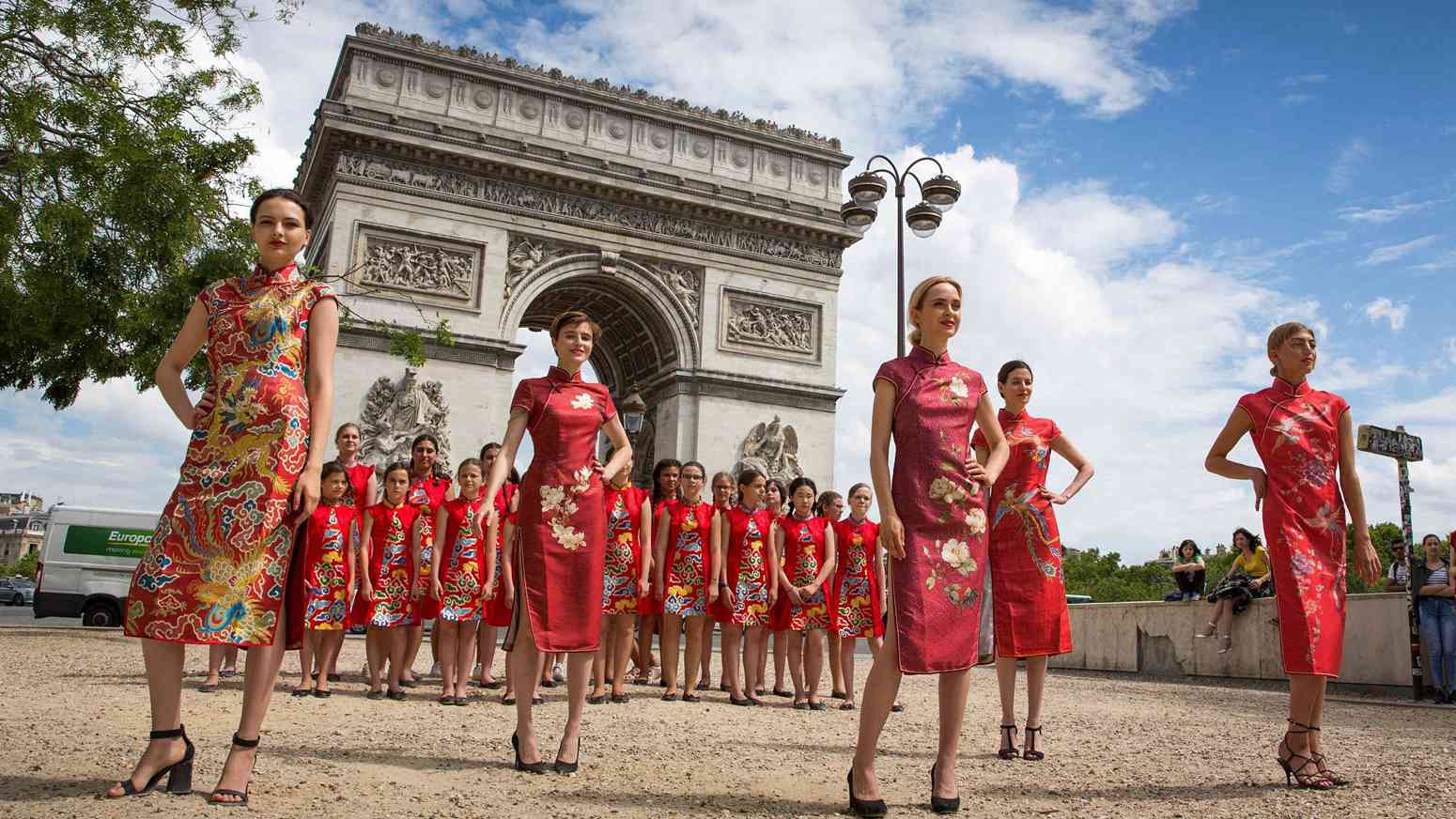
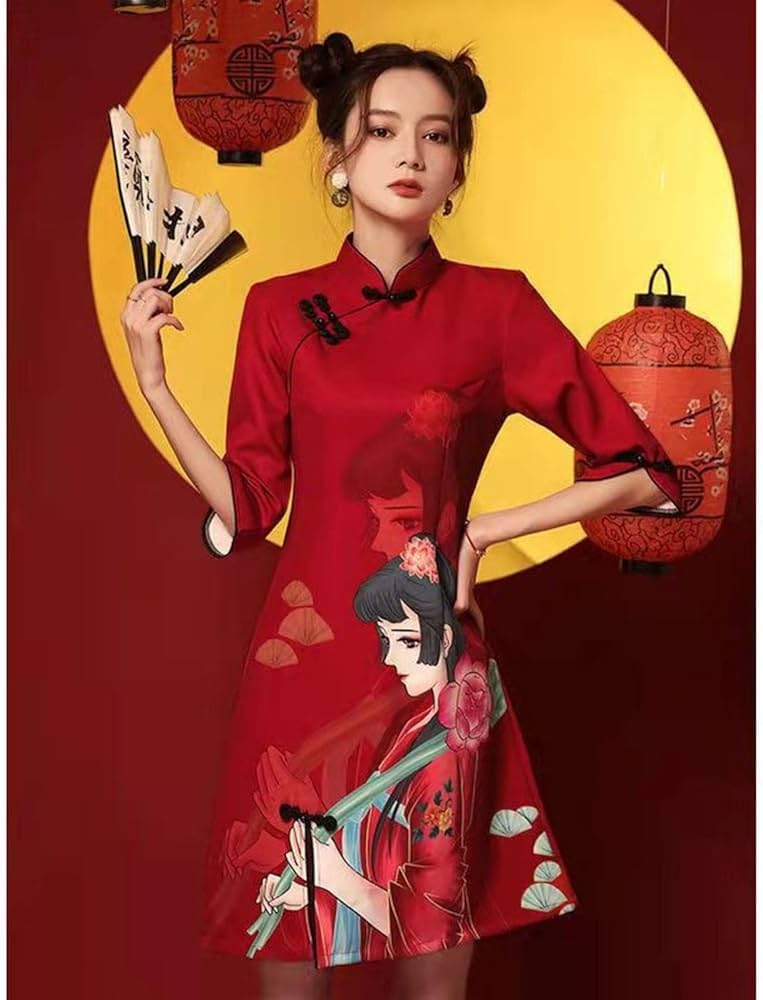
The qipao, also widely known as cheongsam, is different from Hanfu. It is strongly associated with modern Chinese urban style, especially the 20th-century image of tailored lines, standing collars, side slits, and patterned fabric. It can feel formal, nostalgic, cinematic, or contemporary depending on cut and context.
A qipao is not automatically traditional in the same way Hanfu is. It is a modern Chinese style with its own history and visual language.
Materials and details to notice
- Silk and satin: smooth surface, shine, ceremony, and elegance.
- Cotton and linen: softer daily wear, comfort, and seasonal practicality.
- Embroidery: motifs such as flowers, birds, clouds, or auspicious patterns.
- Fastenings: knot buttons, ties, belts, and layered closures shape the line of the garment.
- Color: red, blue, black, white, and pale seasonal tones can carry different associations by occasion.
How to wear or photograph it respectfully
If you wear Chinese-inspired clothing for travel photos, match the setting. A quiet garden, museum area, tea room, or old street can work better than a crowded sacred site. Avoid blocking paths, treating worship spaces as props, or mixing random symbols only because they look dramatic.
The best visual result comes from restraint: clean fabric, thoughtful color, and a place that supports the story.
Modern meaning
Today, Chinese dress traditions are not frozen museum objects. Young people reinterpret them, designers simplify them, and families use them for weddings, festivals, portraits, and cultural events. That living quality is what makes the topic interesting. It is heritage being negotiated in public, one outfit at a time.
How to read Chinese dress without flattening it into costume
Chinese dress is not one single style. Hanfu, qipao, Tang-style jackets, ethnic minority clothing, opera costume, and modern festival wear all come from different histories and occasions. A respectful reader asks what the garment is for, who wears it, what material it uses, and whether the styling is historical, theatrical, ceremonial, or everyday. That distinction keeps the topic richer. Continue with our Hanfu hair accessories guide and Hanfu accessories guide.
Occasion matters as much as style
The same garment can feel graceful or awkward depending on where it is worn. A full Hanfu set may be natural at a festival, photo session, cultural event, or garden visit, while a qipao-inspired top may work better for a dinner or city walk. Heavy embroidery and long sleeves ask for space. Simple cotton or linen pieces are easier for daily wear.
When comparing styles, think about movement. Can you walk, sit, eat, and take public transport comfortably? Can the fabric handle weather? Does the accessory stay secure? These practical questions do not reduce the beauty of Chinese dress. They help the clothing live in a real setting rather than only in a picture.
Modern wear and cultural confidence
Modern Chinese dress works best when the wearer understands the reference and feels comfortable moving in it. A Hanfu-inspired blouse, a qipao collar, or a Tang-style jacket can be part of normal personal style when it is chosen with care. Confidence comes from fit, occasion, and knowledge, not from using every traditional element at once.