-e1742971339568.png)
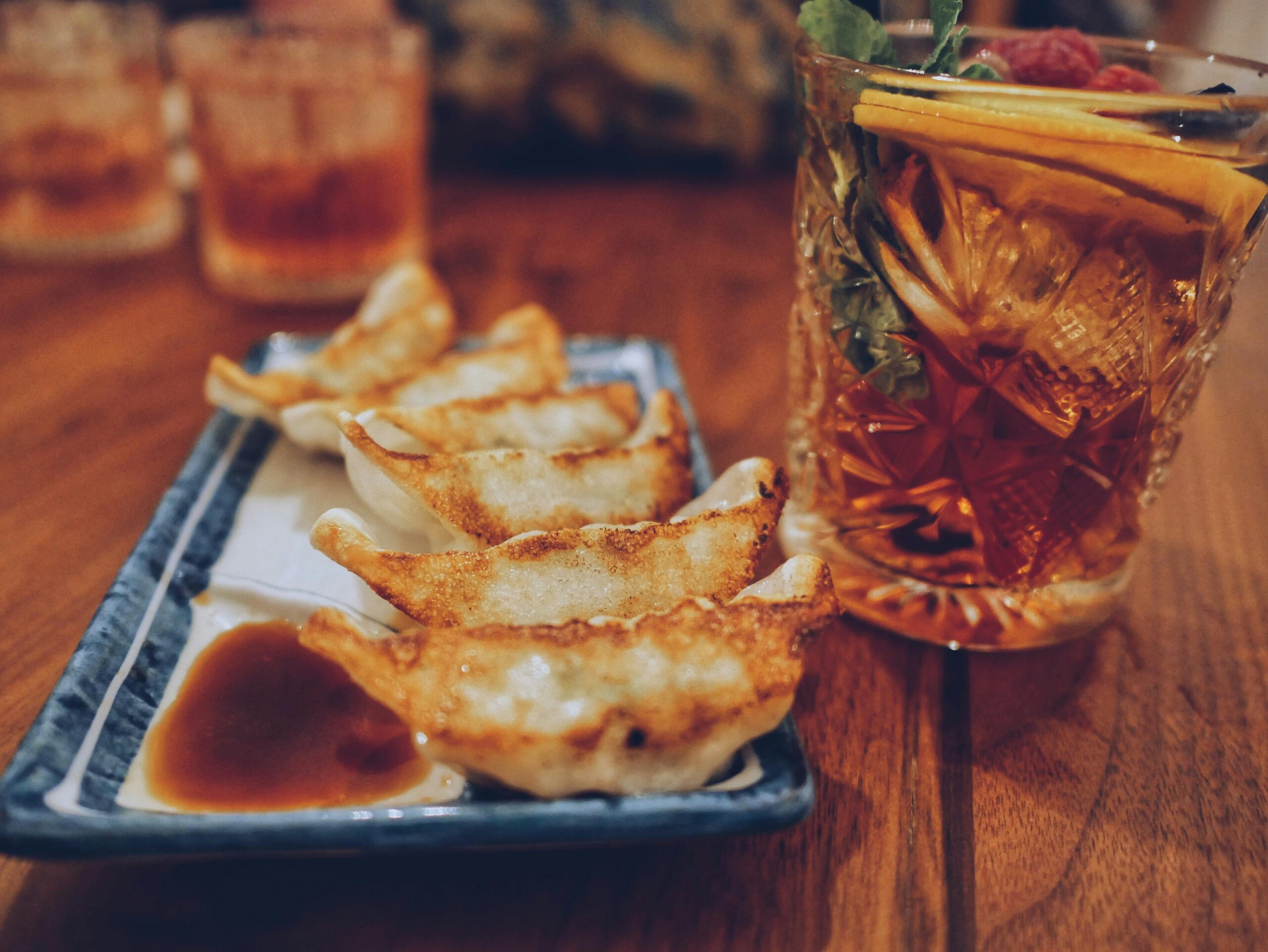
Chinese New Year’s Eve dinner is not just a big meal. It is the emotional center of the holiday: reunion, gratitude, family hierarchy, blessing, memory, and the wish that the coming year will begin with abundance. The dishes matter because they carry sound, symbolism, and family habit.

The main idea: reunion
The dinner is often called tuanyuan fan, reunion meal. Family members travel home, elders host, children return, and the table becomes a visible sign that people belong together. Even when modern families order takeout or eat at restaurants, reunion remains the core meaning.
Common symbolic foods
- Fish: abundance, because fish and surplus sound connected in Chinese.
- Dumplings: wealth imagery, especially common in northern families.
- Rice cakes: rising year by year, linked with progress.
- Spring rolls: festive color and prosperity associations.
- Whole chicken: completeness and family wholeness in many regions.
- Tangyuan: roundness, reunion, and sweetness, especially in some southern contexts.
Regional differences
There is no single national menu. Northern families may emphasize dumplings, wheat dishes, and hearty meats. Southern tables may include rice cakes, seafood, soups, and regional specialties. Coastal areas, Sichuan families, Cantonese households, northeastern tables, and Shanghai homes all create different New Year flavors.
Table etiquette
Guests should respect the host rhythm. Elders may be served first, toasts may be offered, and certain dishes may be explained through blessings. Do not treat symbolic foods like a trivia quiz. Listen to the family story behind the dish; that story is often more important than the general meaning.
Modern changes
Many families now mix home cooking, restaurant bookings, delivery dishes, and video calls. Young people may travel, work late, or celebrate with friends. The tradition is adapting, not disappearing. The key is still togetherness and a sense of crossing into a new year with care.
How visitors can understand it
- Learn the meaning of a few dishes before the holiday.
- Notice who cooks, who serves, and who gives blessings.
- Accept food warmly, even if you only take a small portion.
- Ask about family-specific dishes rather than assuming one national answer.
- Offer thanks after the meal.
What not to overclaim
Do not say every Chinese family eats the same dishes or follows the same ritual. China’s regional diversity is too large. A good explanation gives common patterns while leaving room for family habit, migration, budget, and modern lifestyle.
Related ChinaWink reads
For symbols, read the Chinese auspicious symbols guide and the Chinese zodiac guide.
Keep exploring ChinaWink
For broader planning, use the China visitor guide, compare city ideas in Destinations, or continue through Blogs.
Sound and symbolism
Many New Year food meanings rely on sound. Fish and surplus, rice cake and rising higher, and round foods with reunion are examples. The symbolism can be playful as well as serious. A family may repeat a dish because it tastes good, sounds lucky, and reminds everyone of earlier years.
Restaurant New Year dinners
Modern families may book restaurants for convenience. The meaning does not disappear just because the kitchen is commercial. What matters is reunion, respect, conversation, and blessings. Home cooking is not the only valid form of tradition.
Reader takeaway
The point is to make one better decision after reading: what to choose, what to skip, what to check, and how to pace the day. A useful ChinaWink guide should reduce uncertainty without pretending every traveler needs the same route.
The table is the message: reunion matters more than a perfect national menu.
That is why even simple dishes can feel ceremonial.
What makes the New Year’s Eve dinner feel complete
A Chinese New Year’s Eve dinner is built around reunion as much as food. Dishes often carry wishes for abundance, safety, smooth progress, and family togetherness, but the table does not need to be formal to feel meaningful. The strongest detail is usually the rhythm: preparing early, waiting for relatives, sharing familiar flavors, and leaving room for conversation after the meal. If you are joining as a guest, ask before taking photos, follow the host’s pace, and notice which dishes people talk about most. Those stories are part of the dinner.