-e1742971339568.png)
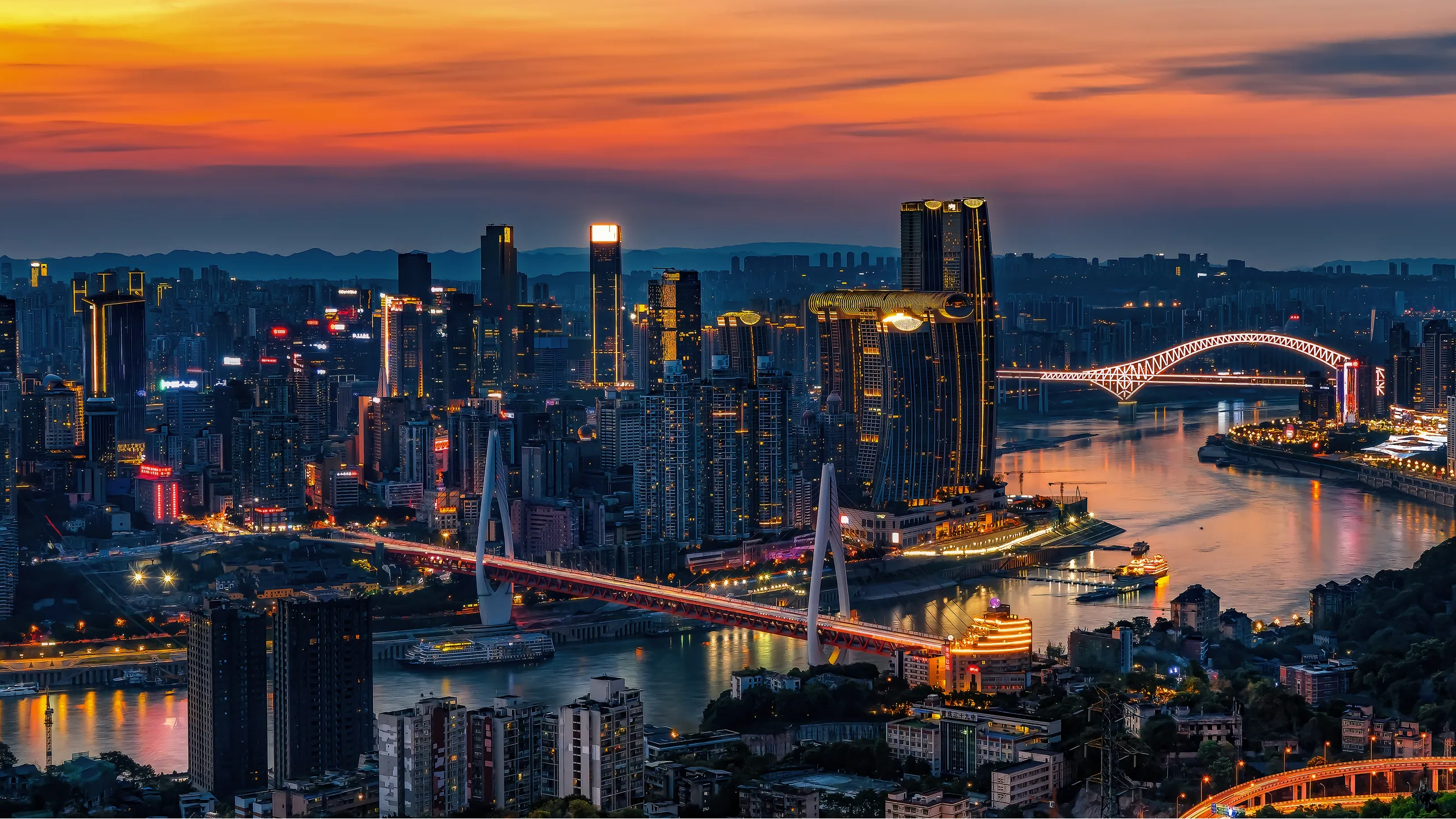
Chongqing is often remembered for hotpot, hills, bridges, neon river views, and a social energy that feels direct and lively. A better way to understand the city is not through stereotypes, but through its geography and rhythm: steep streets, layered roads, crowded meals, humid evenings, and conversations that move quickly.


Quick answer: what makes Chongqing feel different
Chongqing is a mountain city built around rivers. Its streets climb, bend, stack, and surprise you. That physical shape affects daily life. People walk stairs, meet around hotpot, gather near river views, and treat the city as something energetic rather than polished.
Hillside streets and layered movement
In many cities, a map feels flat. In Chongqing, a short distance can mean elevators, stairs, overpasses, rail lines, and roads running at different heights. This makes the city visually dramatic, but it also means visitors should slow down. Comfortable shoes matter, and a route that looks simple on a map may take more effort than expected.
Hotpot as social culture
Hotpot is not only a famous meal. It is a social format. The table is shared, the flavors are strong, and the pace invites conversation. Spicy broth, dipping sauce, vegetables, meats, tofu, and noodles all become part of a group rhythm. If you are sensitive to spice, ask for a milder pot or balance the meal with non-spicy dishes. The point is participation, not proving toughness.
Night views and river life
Chongqing’s night views work because the city has height, water, bridges, and dense light. A riverside walk or elevated viewpoint can show why the city feels cinematic. But the best night is not only a photo. Notice families walking, food stalls opening, traffic moving across bridges, and buildings rising at different levels.
Local personality without stereotypes
Visitors often describe Chongqing people as direct, warm, and expressive. Treat that as a doorway, not a label. Good travel writing should not reduce a city to gender stereotypes or nightlife cliches. Chongqing’s social energy comes from food, climate, geography, work rhythm, and public life.
Keep reading
For more China city context, see our Chengdu food culture guide, China photography spots guide, and ChinaWink stories.
How to experience Chongqing respectfully
A respectful Chongqing visit starts by letting the city be more than spectacle. The lighted skyline is impressive, but the everyday city matters too: morning noodles, elevators between street levels, neighborhood steps, wet-market sounds, and people navigating hills as part of normal life. Look for that ordinary movement, not only the dramatic photo.
When writing or talking about Chongqing, avoid reducing local people to stereotypes. The city is lively and direct, but it is also layered, hardworking, family-oriented, and historically important. Its wartime memory, river trade, industrial background, and food culture all shape the atmosphere visitors feel today.
Simple route idea
Begin with a daytime hillside walk, take a hotpot or noodle break, rest in the afternoon, then return outside for river lights after dark. This pacing respects the city’s terrain. It also gives you two versions of Chongqing: the practical daytime city and the glowing night city. Both are real, and they explain each other.
Food, hills, and conversation
Chongqing culture is easiest to feel when food and geography meet. A hotpot table after a hillside walk feels different from the same meal in a flat city. The body is tired, the air may be humid, and the river lights begin to appear. Conversation becomes part of the meal because the pot is shared and the city outside feels intense.
What to keep in mind
Plan fewer stops than the map suggests. Heat, hills, crowds, and stairs can make a route slower. Keep water with you, choose comfortable shoes, and leave space for one unplanned view. Chongqing often surprises visitors between destinations.
Best reader takeaway
Chongqing is not a city to understand only through labels. Let the hills, food, rivers, bridges, and evening streets explain it gradually. The strongest visit is usually the one that balances famous views with ordinary moments: a bowl of noodles, a stairway shortcut, a river breeze, and a conversation over hotpot.