-1.png)
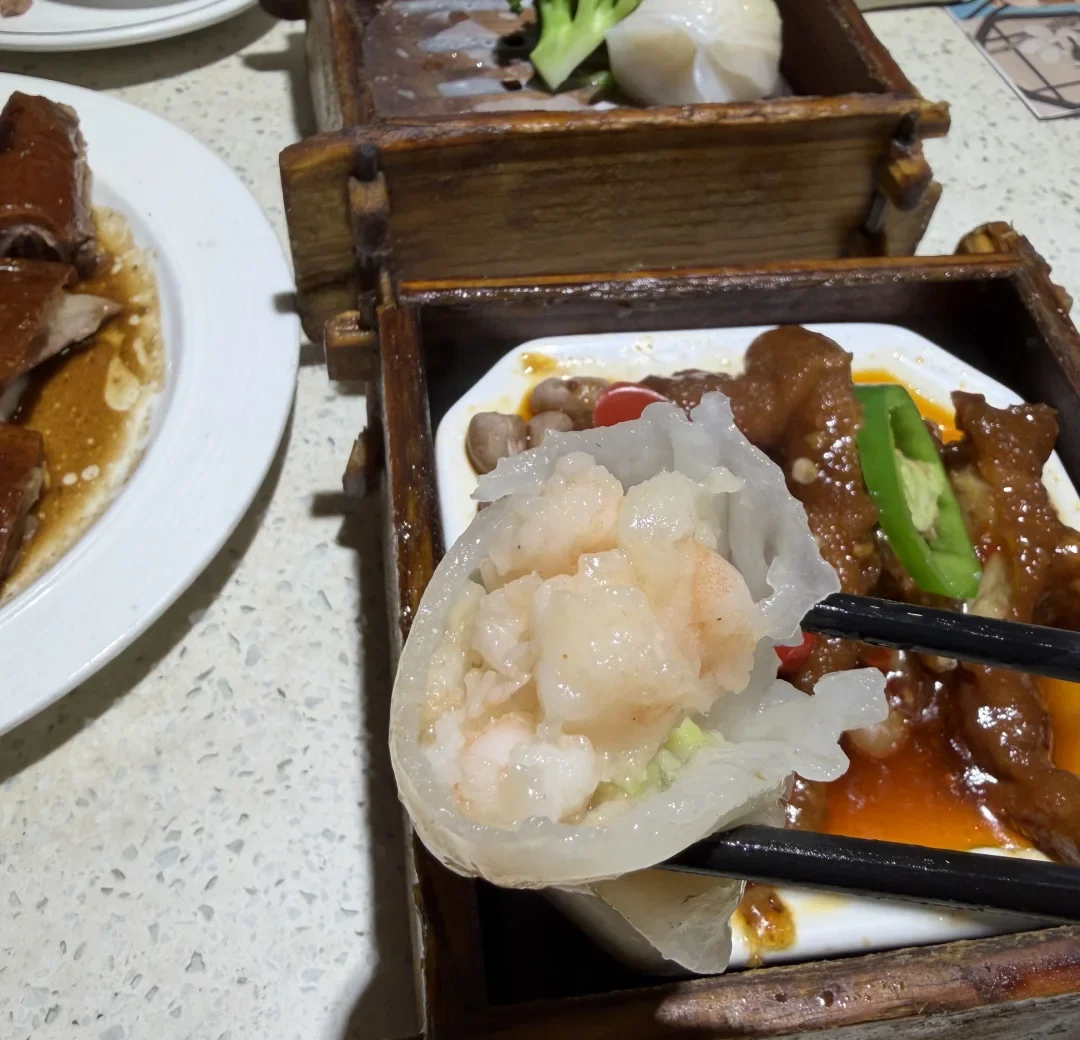
Guangzhou morning tea is not only a breakfast checklist. It is a social way to use tea, steamed dim sum, pastries, congee, and conversation to ease into the day. For overseas visitors, the safest plan is to choose the teahouse by mood, order a balanced first round, and treat any Cantonese opera or old-building detail as cultural context rather than a guaranteed show schedule.
Key Takeaways
- Morning tea in Guangzhou is a meal rhythm: tea first, then small shared plates, then slow conversation.
- Do not chase only the most famous chain. Old teahouses, garden restaurants, hotel dining rooms, and neighborhood spots each do a different job.
- For a first order, start with shrimp dumplings, rice rolls or congee, one roast or steamed dish, one vegetable, and one pastry.
- Cantonese opera matters because Guangzhou teahouse culture overlaps with local performance culture, but shows and times change.
- Use social posts as clues, not proof. Verify current hours, smoking policy, reservation rules, and menu availability before going.
What Guangzhou morning tea actually means
Morning tea, often called yum cha in Cantonese contexts, is a tea-and-dim-sum meal built around sharing. The food can be the reason you go, but the pace is just as important: people meet, read, talk, watch the room, and order more only when the table needs it. That is why a good Guangzhou teahouse can feel more local than a fast landmark meal.
Guangzhou’s morning tea sits inside the broader Cantonese food tradition. Cantonese cooking often values fresh seafood, steaming, roasting, soups, and clean textures, which makes dim sum a good first meal for travelers who do not want heavy spice. If you are building a food-first China route, keep ChinaWink’s Chinese Food hub and Guangzhou category open for later city planning.
Choose the teahouse by mood
The strongest Guangzhou morning tea plan begins before you order. Decide what kind of morning you want. A heritage-feeling teahouse gives atmosphere. A garden restaurant gives space. A hotel dining room gives polish. A small neighborhood restaurant gives daily life. None is automatically more “authentic” than the others; each answers a different reader job.
| Teahouse mood | Best for | What to verify before going |
|---|---|---|
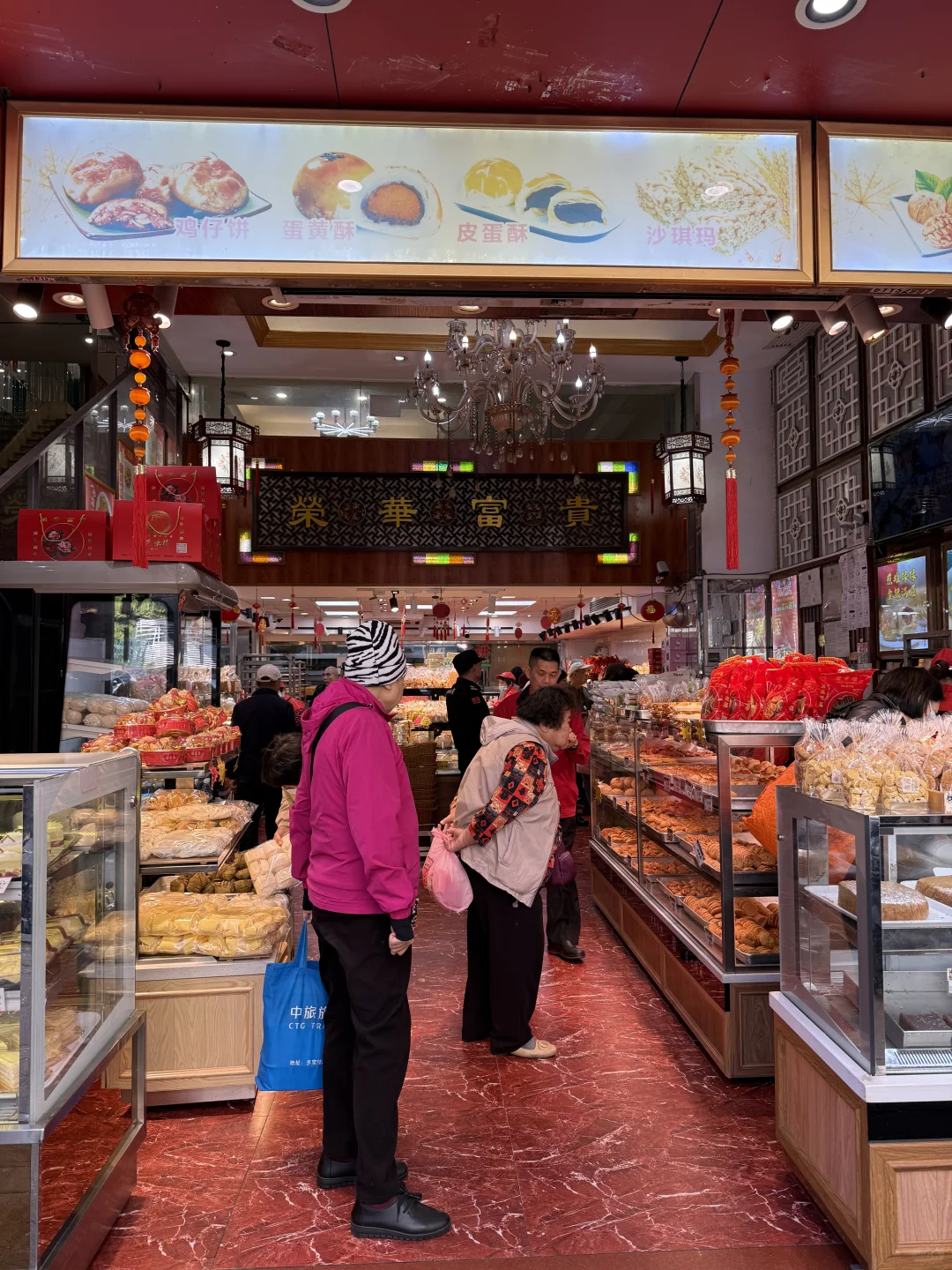
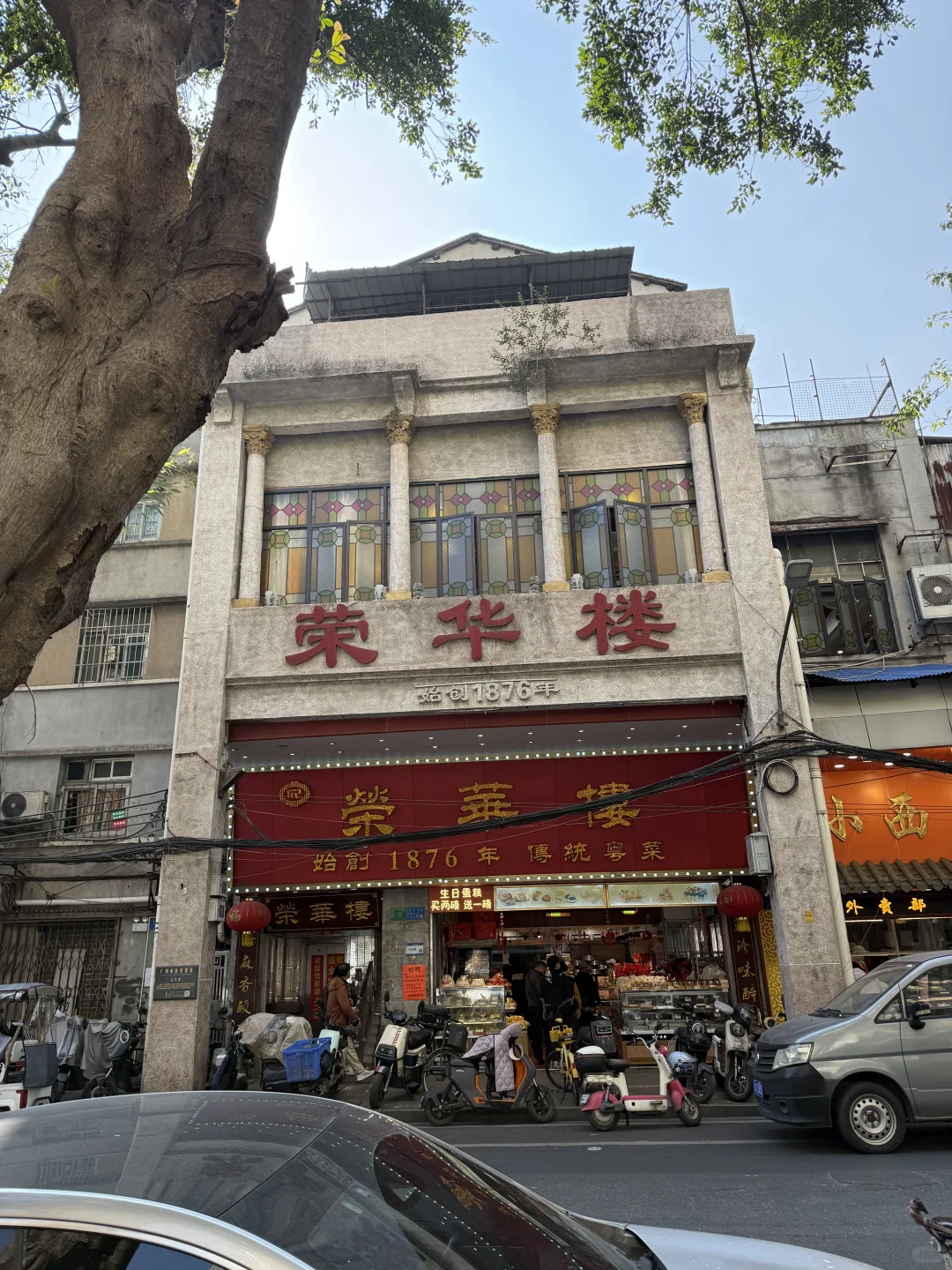
| Old teahouse or pastry counter | Xiguan atmosphere, local snacks, older Guangzhou texture | Current opening hours, dining floors, smoking areas, crowd timing |
| Garden restaurant | A slower meal with a more scenic setting | Reservation rules and whether morning tea is served that day |
| Hotel or high-end dining room | Cleaner service, easier hosting, polished dim sum | Price, service charges, dress comfort, table minimums |
| Neighborhood spot | Local rhythm and lower-key eating | Menu language, payment options, queue style, hygiene comfort |
The Ronghua Lou clues in today’s material point to a useful pattern: an old teahouse can be partly pastry shop, partly dining room, partly neighborhood meeting place. That makes it interesting, but it does not remove the need to verify current conditions. A reader should not build a whole Guangzhou morning around an old social post.
What to order first
A balanced first order should teach texture. Do not order only famous items with the same mouthfeel. Mix steamed, soft, crisp, rich, and light dishes so the meal has range without becoming chaotic.
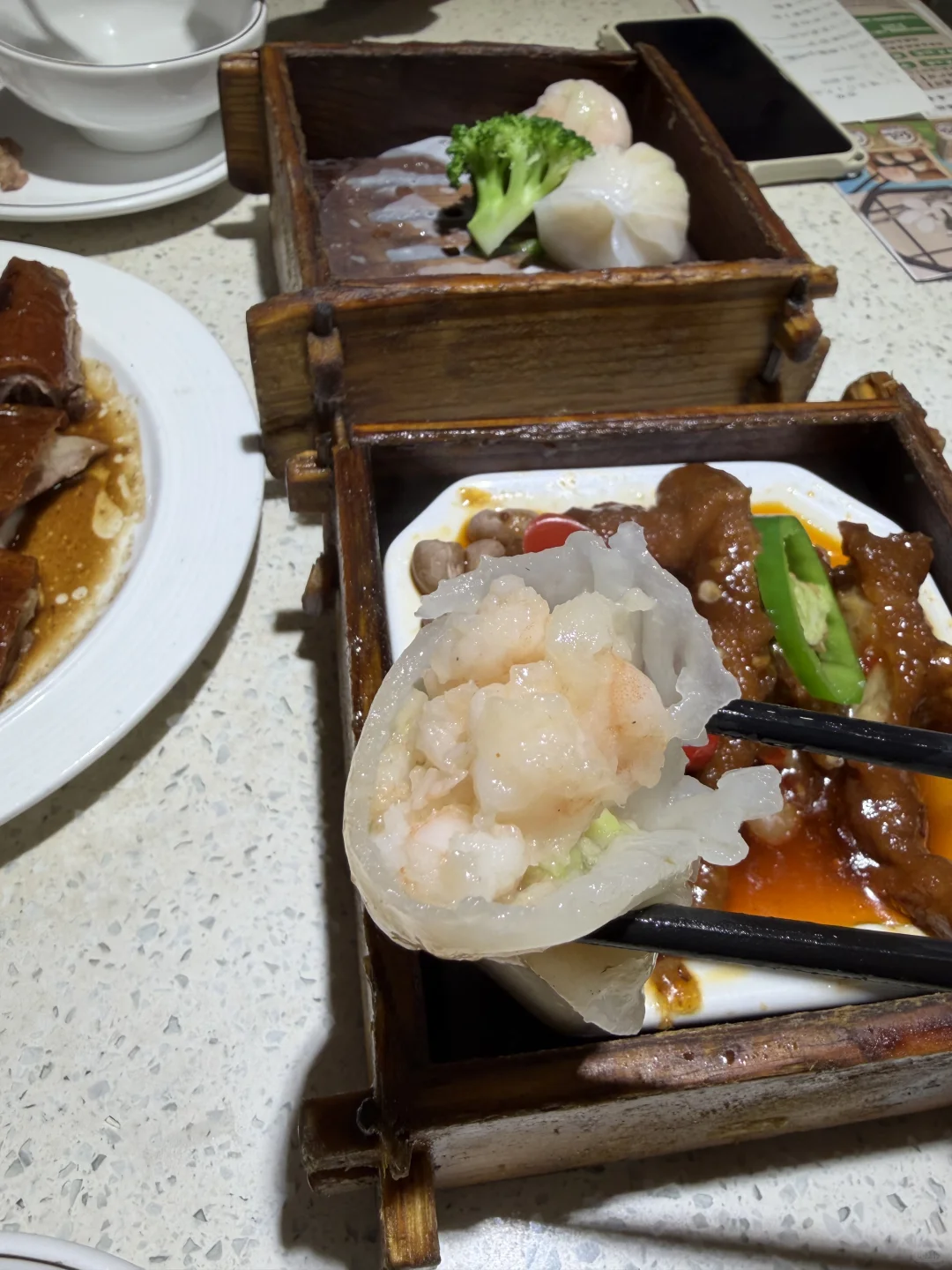
Start with shrimp dumplings because the thin wrapper and filling are easy to understand. Add rice rolls, congee, or a noodle dish for softness. Choose one richer item such as roast goose, chicken feet, beef balls, or steamed pork ribs if your group is comfortable with that texture. Then use a pastry or cake at the end, not as the whole meal.
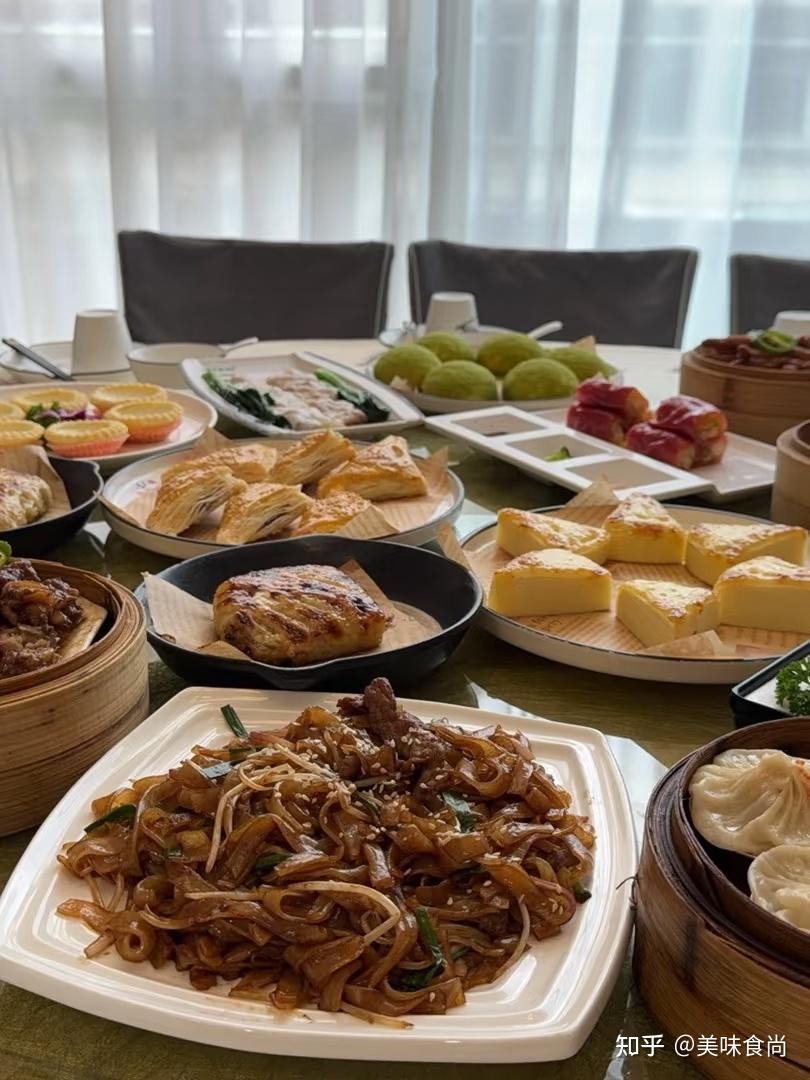
| First-round order | Why it helps | Caveat |
|---|---|---|
| Shrimp dumplings | Shows wrapper quality and seafood freshness | Can sell out or vary by restaurant |
| Rice rolls or red rice rolls | Soft rice texture and sauce balance | Filling and crisp layer differ by shop |
| Congee or boat congee | Gentle, filling, and good for mixed groups | Ingredients may include fish, squid, or peanuts |
| Roast goose or steamed ribs | Adds richness and savory depth | Salt level and portion size vary |
| Water chestnut cake, sponge cake, or pastry | Shows the pastry-counter side of morning tea | Some items are better earlier in the day |
Why opera belongs in a food guide
Some Guangzhou teahouse notes mention Cantonese opera or sung performance. This matters because food and performance historically share public space in south China. UNESCO’s Yueju page describes Yueju, or Cantonese opera, as a major performance tradition in Cantonese-speaking areas. For a traveler, that context changes how an old teahouse feels: it is not only a restaurant; it can also be a room where language, music, and daily social life overlap.
The careful caveat is important. A social post may say a performance happens at a certain time, but that is not a stable public schedule. Treat opera as a possible cultural layer. If hearing it matters to your trip, call ahead or check the venue’s current notice before you go.
A simple Guangzhou morning tea plan
If this is your first Guangzhou morning tea, keep the plan modest. Arrive before the peak if you dislike queues. Order tea first. Choose four to six items for two people, or more if the portions are small and the group is larger. Leave space to add dishes after the first round.
A practical two-person order could be: one pot of tea, shrimp dumplings, rice rolls, boat congee, a roast or steamed savory item, one vegetable or lighter plate, and one pastry. That gives enough variety to understand the meal without turning the table into a photo checklist.
FAQ
Is Guangzhou morning tea the same as dim sum?
Dim sum is the small-plate food; morning tea is the wider meal habit built around tea, shared dishes, and time at the table. In practice, visitors often use the words together.
What time should I go for morning tea in Guangzhou?
Go in the morning or late morning, but verify the restaurant’s current service hours. Some places serve dim sum across a wider window, while old teahouses may have more local peak times.
Is Ronghua Lou worth visiting?
It can be worth considering if you want old Guangzhou atmosphere and pastry-counter texture. Do not treat it as a guaranteed performance venue; verify current dining floors, smoke policy, and schedule.
What should I avoid ordering first?
Avoid ordering only rich or unfamiliar textures in the first round. Mix shrimp dumplings, congee or rice rolls, one savory dish, and one pastry so the meal stays balanced.
Can non-Cantonese speakers manage morning tea?
Yes, especially in larger or more tourist-ready restaurants. Bring the Chinese names of dishes, use menu photos when available, and ask staff which items are freshly made that day.
Content Statement
This article uses the July 3, 2026 Guangzhou food clues as public social context and combines them with general Cantonese food knowledge and the UNESCO Yueju reference. It does not copy platform text, restaurant prices, or user claims as facts. Local images were visually reviewed and used only where they help readers understand the meal.