-1.png)
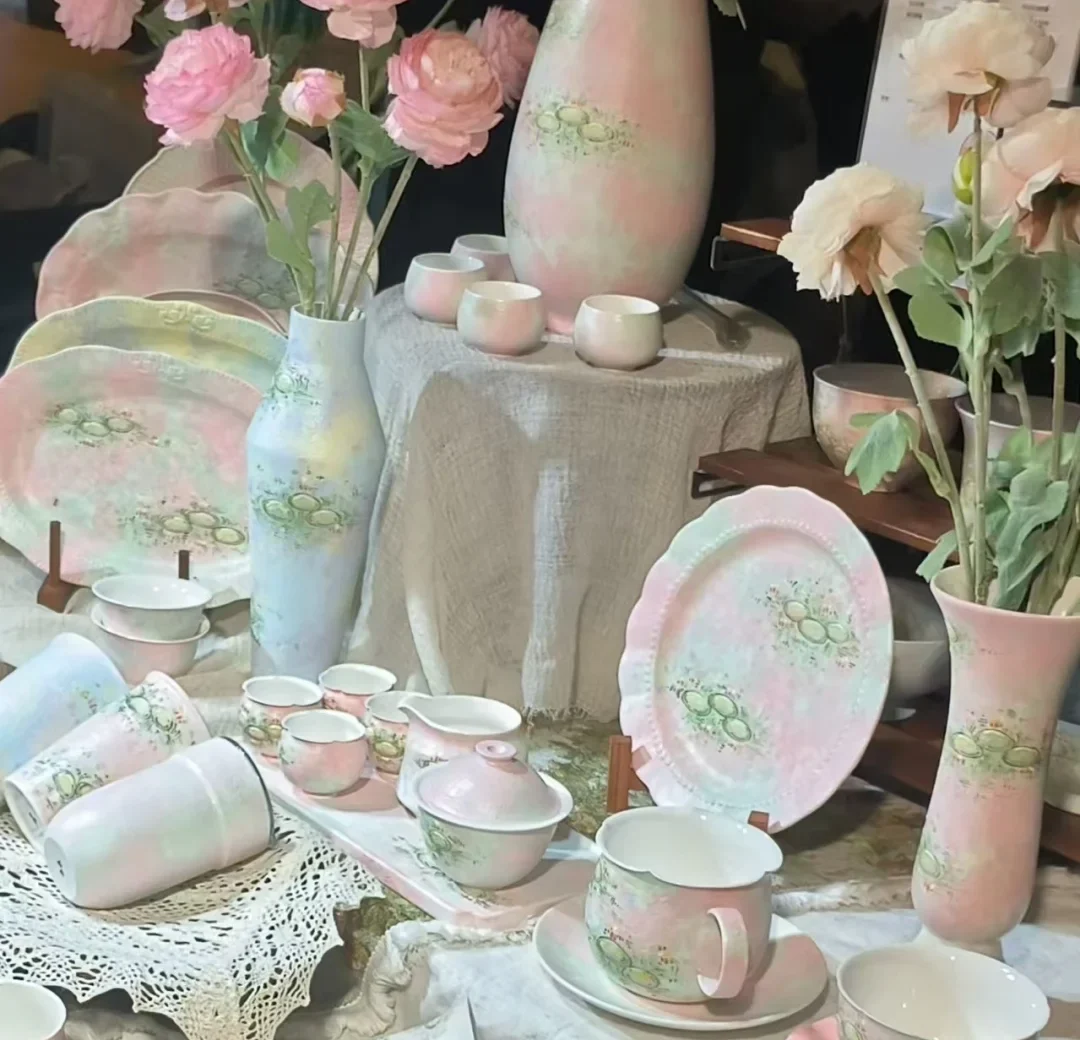
Chinese handmade objects are easiest to misread when they are treated only as souvenirs. A small Jingdezhen vase, a ceramic figure, a sheet of handmade paper, or a hutong workshop photo can look like a lifestyle trend online. Read slowly and a better question appears: what material is being worked, what hand process is visible, and what should a respectful visitor verify before buying or visiting?
Key Takeaways
- Jingdezhen porcelain is not only a product label. It is a city-based craft ecosystem with clay, glaze, firing, painting, and workshop knowledge.
- Beijing paper and hutong craft shops are useful because they make material process visible in a walkable urban setting.
- Small objects can teach form, glaze, texture, and hand-finishing cues without becoming a shopping article.
- Do not repeat sales claims such as “official,” “limited,” or “intangible heritage” unless a reliable source supports them.
- Respectful buying means asking about maker, material, process, use, and care, not only price.
Jingdezhen porcelain is a process, not only a shopping label
Jingdezhen is famous because porcelain production there became a deep system of materials, kilns, division of labor, painting, glazing, firing, and trade. UNESCO lists Jingdezhen as a Creative City of Crafts and Folk Art, which is a useful public anchor for understanding why the city’s name carries cultural weight.
A visitor should not reduce Jingdezhen to “cute ceramics” or “handmade souvenirs.” The stronger frame is process. What clay body is used? Is the piece wheel-thrown, molded, hand-built, painted, glazed, or fired in a special way? Is the object a contemporary studio piece, a tourist-market item, a museum reproduction, or a daily-use cup?
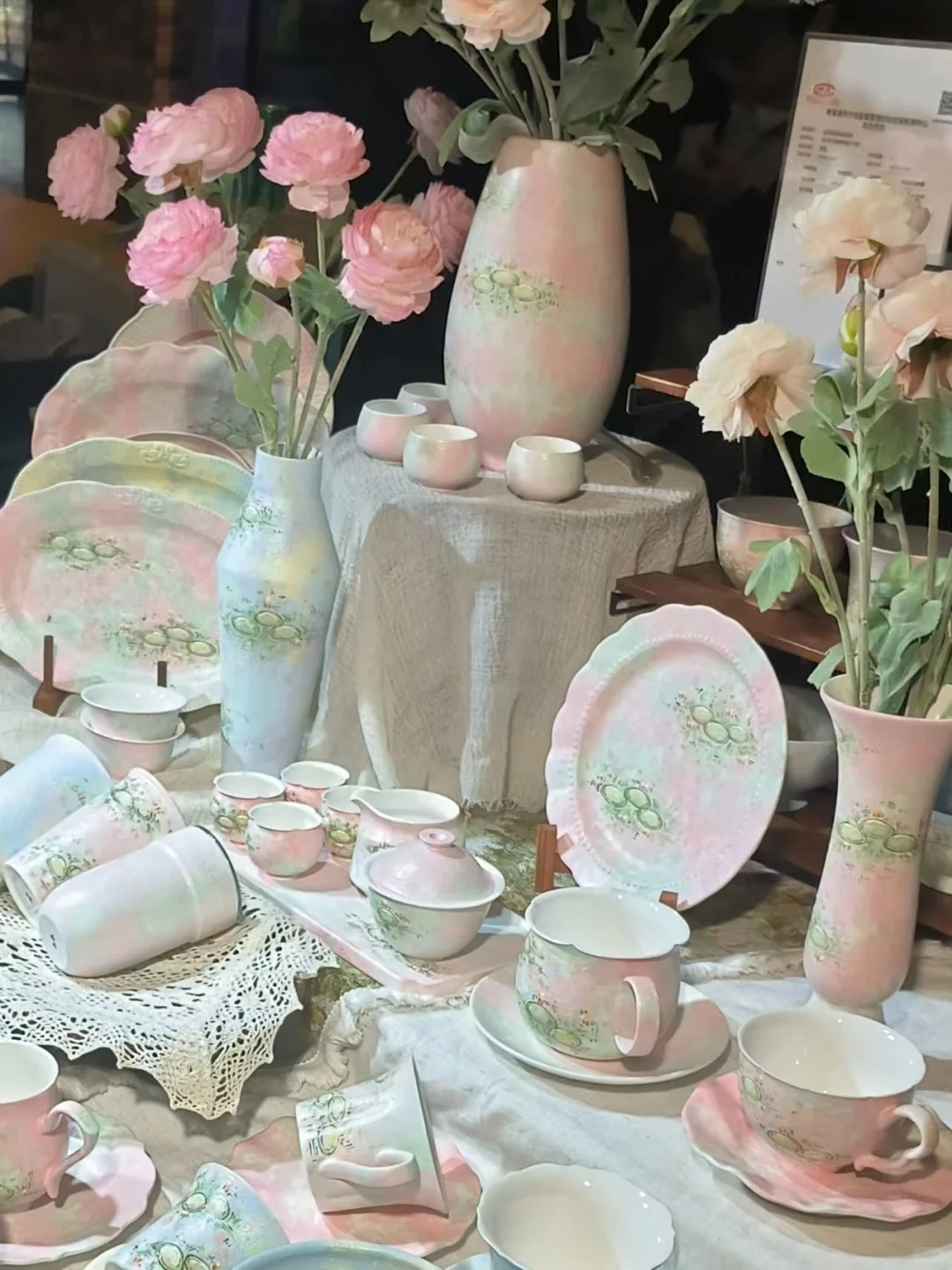
Modern desktop ceramics can still be a valid entry point. A small vase or cup can make a reader notice glaze color, edge thickness, weight, hand-painted detail, and how an object sits in a room. The problem begins only when marketing language replaces material evidence.
Read small objects through form and finish
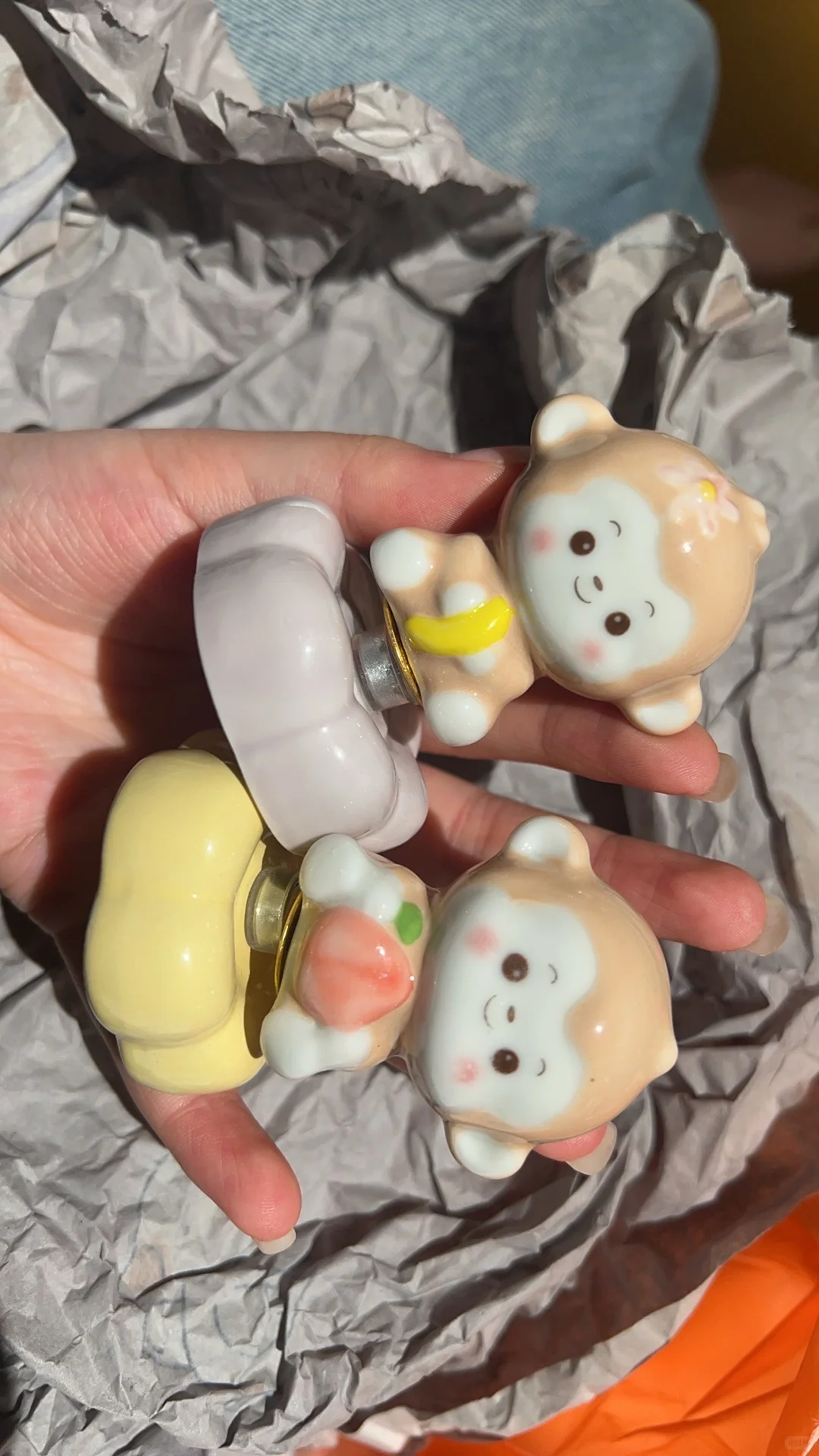
Small ceramic objects are good teaching tools because the viewer can slow down. Look first at silhouette. Then look at glaze. Then look at the foot, rim, underside, or seam. Those places often reveal more about making than the decorated front.
| What to look at | What it may show | Reader caveat |
|---|---|---|
| Rim and edge | Thickness, hand finishing, comfort in use | Thin does not always mean better |
| Glaze surface | Color depth, pooling, crackle, variation | Some effects are deliberate; some are defects |
| Weight | Clay body and intended use | A display object and daily cup have different needs |
| Painting or motif | Hand line, transfer, repetition, symbolism | Do not assume every motif is ancient or rare |
| Maker information | Studio, workshop, cooperative, museum shop | Verify claims if “heritage” affects price |
This method keeps the article culture-first. It also protects readers from turning every attractive object into a claim about authenticity.
Beijing paper shops turn material into a walkable craft lesson
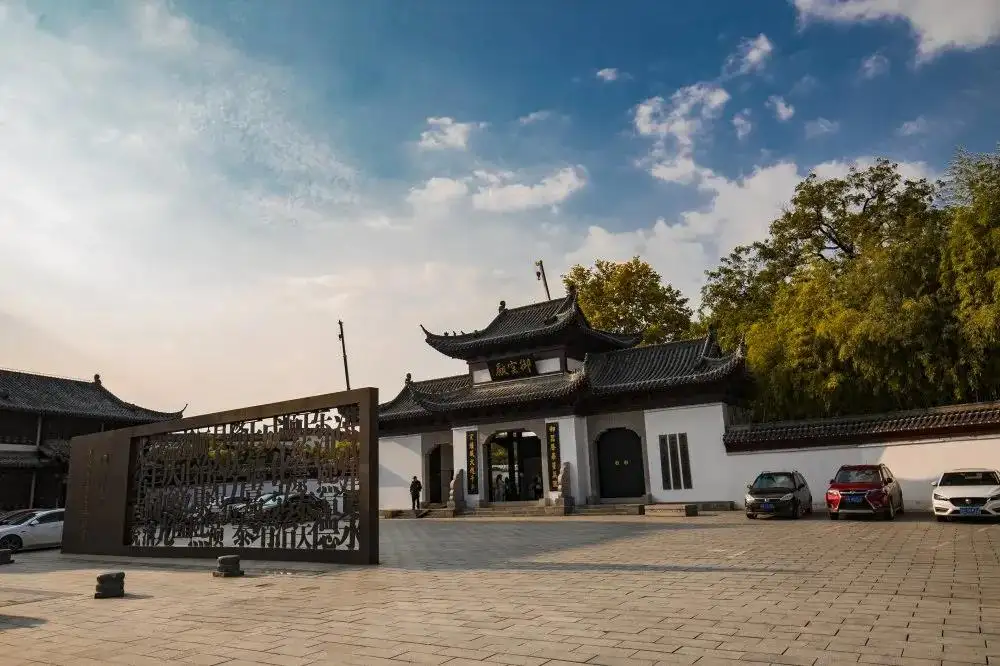
The Beijing hutong craft clue points to a different material world: paper, fiber, cutting, folding, binding, printing, lighting, and display. A paper workshop can be easier for visitors to understand than a kiln because the hand process is often visible at table height.
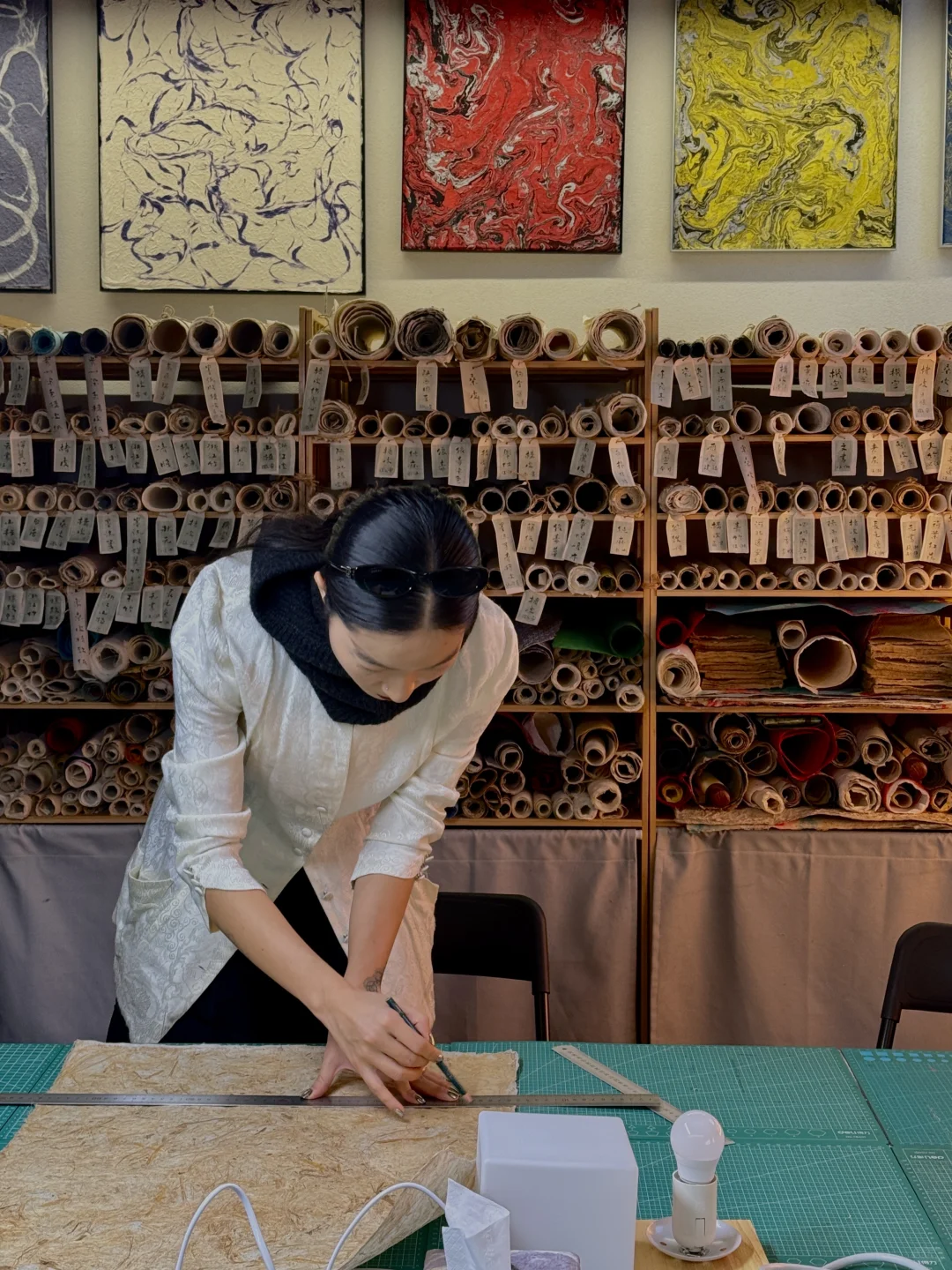
Beijing’s city government has written about handmade paper culture in hutong settings, including a feature on a handmade-paper space in Yangmeizhu Xiejie on the Beijing government English site. Use that as context, not as a blanket endorsement of every shop. The valuable travel move is to ask what the paper is made from, how it is processed, and what the object is meant to do.
Paper is also a heritage material
Paper can look humble beside porcelain, but it carries its own heritage logic. UNESCO’s Xuan paper listing describes a traditional Chinese handmade paper craft known for its role in calligraphy and painting. That does not mean every paper product in a shop is Xuan paper. It means visitors should learn to ask better questions about fiber, surface, absorbency, use, and origin.
A respectful buyer can ask: Is this paper for writing, painting, bookbinding, lamps, packaging, or decoration? Is the texture handmade or machine-made? Does the shop identify the maker or region? How should it be stored in humid weather? These questions make the object more meaningful even if you do not buy anything.
A craft-object checklist for visitors
| Question | Why it matters |
|---|---|
| What material is this? | Porcelain, stoneware, paper, lacquer, wood, and textile age differently |
| What process is visible? | Throwing, molding, painting, cutting, folding, firing, or binding changes value and use |
| Who made it? | Studio, factory, cooperative, museum, and individual maker claims need different trust levels |
| What is it for? | Daily use, display, ritual, study, gift, and tourist souvenir are different jobs |
| What should I verify? | “Official,” “intangible heritage,” “limited,” and “handmade” should not be accepted blindly |
FAQ
Is Jingdezhen porcelain always handmade?
No. Jingdezhen has studio work, workshop production, factory production, tourist-market goods, and museum-level objects. Ask about the actual process used for the specific piece.
Is a small ceramic souvenir less cultural than a museum piece?
Not automatically. A small object can teach material and use. The key is to read it honestly and not inflate it with unsupported heritage claims.
What should I ask in a Beijing paper shop?
Ask what fiber or paper type is used, whether the sheet is handmade or machine-made, what the object is for, and how it should be stored or used.
Can I rely on social-media craft posts for facts?
Use them as clues only. Social posts are good at showing what caught attention, but craft history, maker claims, and heritage status need stronger sources.
Should ChinaWink create a Jingdezhen category now?
Not yet. Jingdezhen is a strong future hub candidate, but a new category should wait until there are at least five high-quality articles that can support a durable reader path.
Content Statement
This article uses July 3, 2026 public craft and object clues as topic signals, then adds official or reliable context from UNESCO and Beijing government sources. It avoids repeating product-sales claims as facts. Local images were visually reviewed; cosmetics, duplicate, and low-context graphic images were rejected.