-1.png)
A good China city walk is not a race between photo spots. It is a way to read how a city changes block by block. Guangzhou works when you let old neighborhoods, transit interiors, art museums, and food stops sit together. Qingdao works when the coast is given time. Xi’an works when one quieter heritage site, such as Small Wild Goose Pagoda and Xi’an Museum, becomes the center of the afternoon.
Key Takeaways
- Build a city walk around one mood, not eleven disconnected photos.
- Guangzhou suits texture: old commercial streets, modern interiors, museums, and food stops can fit one flexible route.
- Qingdao suits pauses: coastal parks and rocky shoreline views should not be squeezed between too many landmarks.
- Xi’an suits depth: a quieter museum-and-pagoda afternoon can be more memorable than another crowded headline stop.
- Verify museum hours, reservations, weather, route distance, and transit before turning any social post into an itinerary.
What makes a city walk worth doing
A city walk is useful when every stop changes what the traveler understands. If the route is only a photo list, fatigue wins. A stronger route has a spine: neighborhood texture, coast and light, craft and food, museum and quiet, or architecture and transit. That spine lets you cut stops without losing the point.
For ChinaWink planning, use the China Travel Guide and Trips hubs as the broad path, then add city pages only when the city is central to the article.
Guangzhou is for layered urban texture
Guangzhou rewards a traveler who does not separate “old” and “new” too sharply. A route can move from Xiguan or Dongshankou-style urban texture into a metro station, a hotel lobby, a commercial passage, a museum, and a food stop. The point is not to prove that every spot is a must-see. The point is to see how the city stacks history, trade, food, and design.


A practical Guangzhou route should have one anchor and two flexible add-ons. The anchor might be a museum such as the Guangzhou Museum of Art’s new venue, whose official site is at Guangzhou Museum of Art. The add-ons might be a transit interior, a Dongshankou lane, a Beijing Road or Liwan food stop, or a cafe. Keep the walk small enough that you can stop for morning tea or a noodle meal without rushing.
Qingdao is for sea-air pauses, not only landmark checking
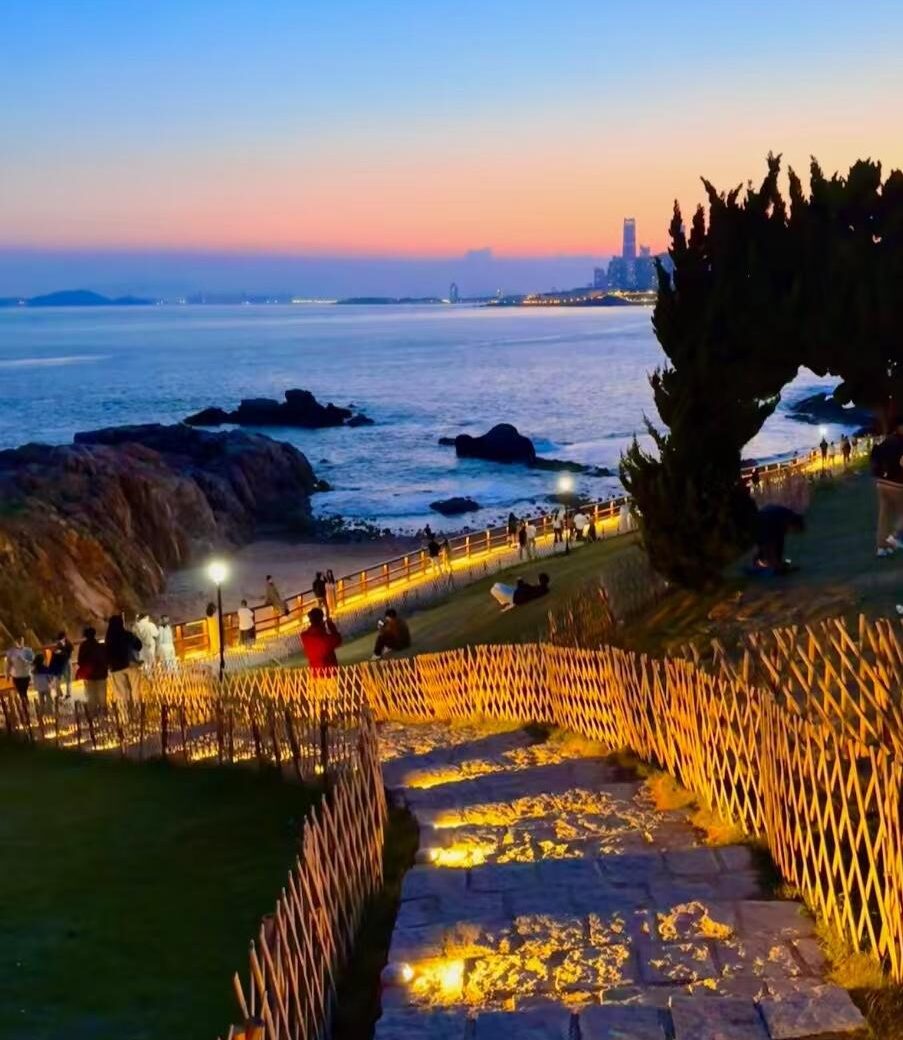
Qingdao’s famous names are easy to list: Zhanqiao, Badaguan, Laoshan, beer culture, German-era architecture, and beaches. The quieter city-walk job is different. It asks for a stretch of coast, a sitting place, a light window, and enough time to feel the sea air instead of only photographing it.
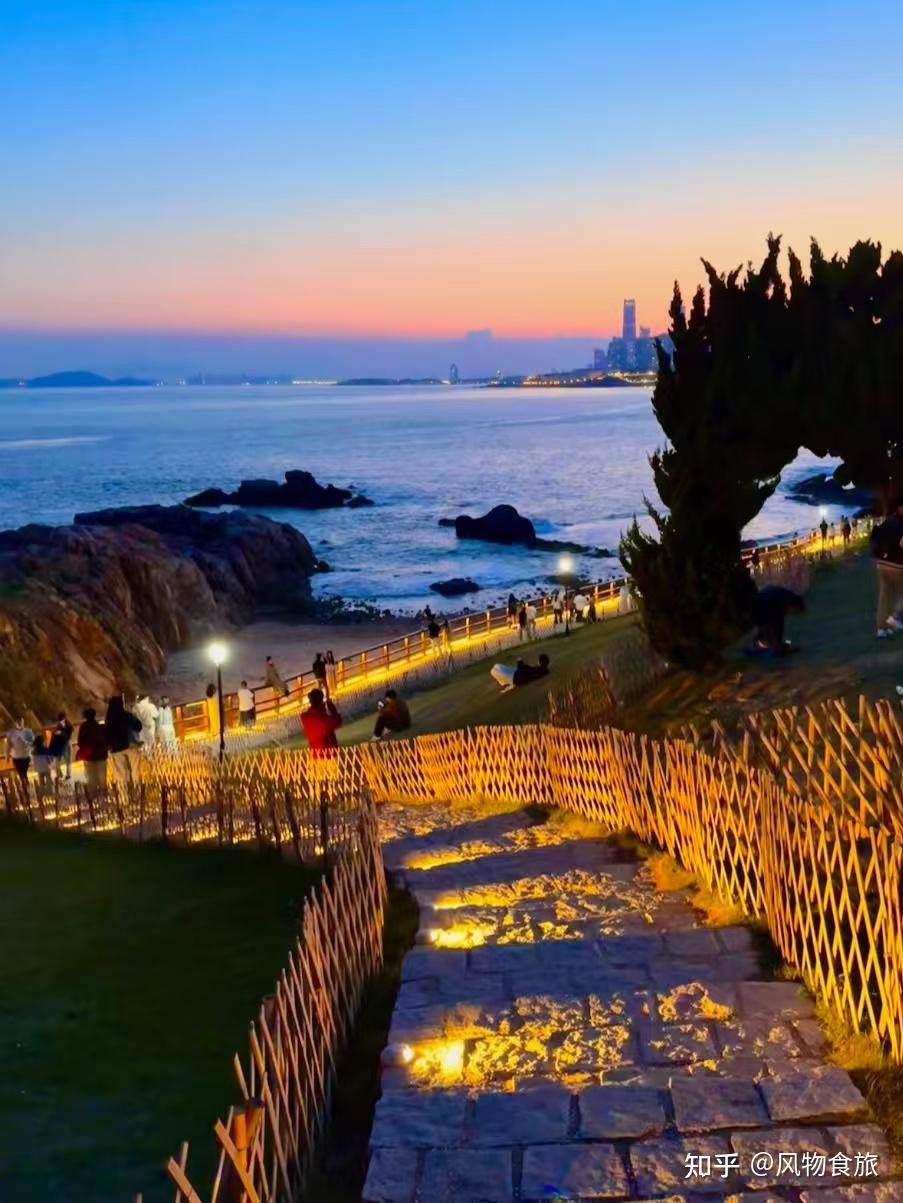
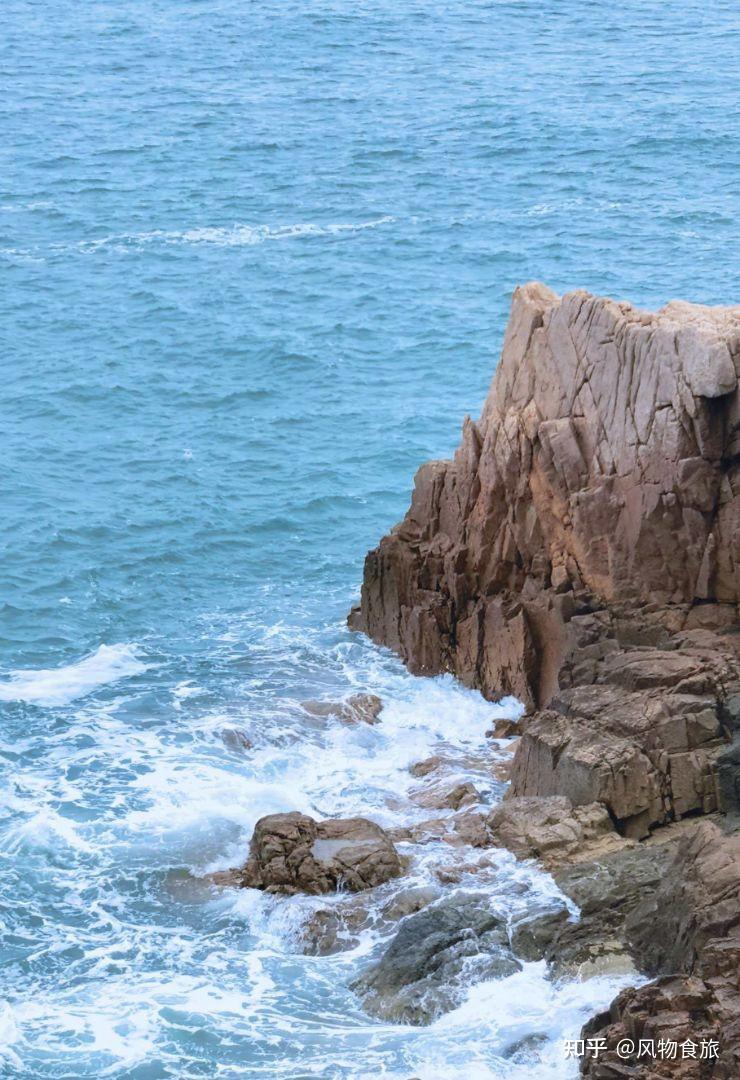
The Qingdao clues point toward Xiaomaidao and Taipingjiao-style walks. Treat them as route ideas, not fixed claims. Check current access, weather, and transit before going. If you already plan to see Badaguan, a nearby quieter coastal section may be enough. If you want a slower day, make the coast the main event and keep the rest of the route light.
Xi’an works when one quiet site carries the afternoon
Xi’an can overwhelm visitors because the city has so many large heritage signals: the Terracotta Warriors, city wall, Muslim Quarter, Shaanxi History Museum, Big Wild Goose Pagoda, and Tang-style performance districts. A quieter plan is to let one site carry the afternoon.
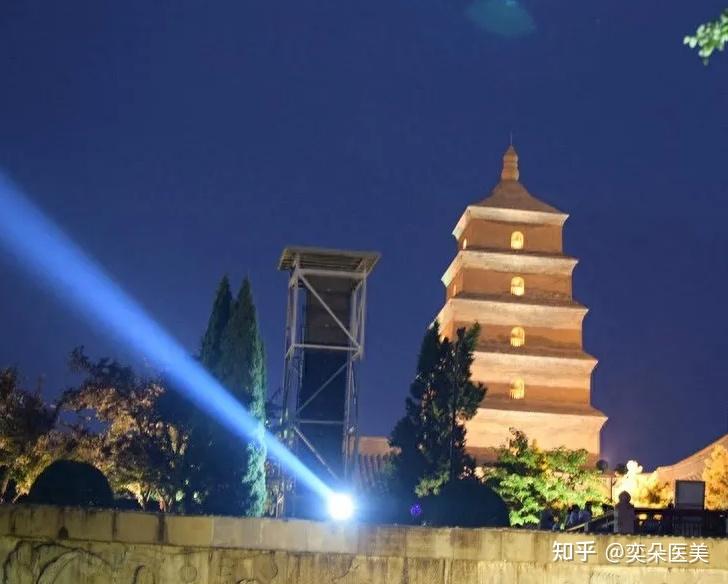
Small Wild Goose Pagoda and Xi’an Museum fit that job. The site gives visitors a pagoda, museum context, gardens, and a softer pace than the city’s busiest ticketed stops. Use official or government-facing pages for current visitor rules; the Shaanxi provincial government English site is a starting point for official context, and Xi’an Museum notices should be checked close to the visit.
Do not overpack the day. Pair the museum-and-pagoda stop with a nearby wall walk, a simple meal, or a bookstore street only if energy allows. The win is leaving with a clearer sense of Chang’an/Xi’an, not with the maximum number of pins.
Choose the route by traveler energy
| Traveler mood | Best city example | Route shape | What to verify |
|---|---|---|---|
| Architecture and city texture | Guangzhou | Museum or transit anchor plus food stop | Museum hours, metro exits, heat and rain |
| Sea air and light | Qingdao | Coast section plus one nearby neighborhood | Wind, tide/weather, transit back-up |
| Heritage without the biggest crowd | Xi’an | One museum/pagoda anchor plus a quiet add-on | Reservation rules, opening hours, security checks |
| Food-led walking | Guangzhou or Xi’an | One meal anchor, short route before/after | Queue time and payment options |
FAQ
How many stops should a China city walk include?
For most travelers, three to five meaningful stops are enough. Add optional pins nearby, but do not make every pin mandatory.
Is Guangzhou good for a first city walk?
Yes, if you like layered urban texture. Use one museum or neighborhood anchor, then add transit, food, and one design-heavy interior or street section.
Is Qingdao better as a beach trip or a city walk?
It can be both, but the best slow route gives the coast time. Do not reduce Qingdao to only landmark photos when the sea-air pauses are the real value.
Is Xi’an Museum a substitute for Shaanxi History Museum?
No. It is a different kind of visit. Xi’an Museum and Small Wild Goose Pagoda are better for a quieter afternoon, not for replacing every major historical collection.
Can I copy a social route directly?
Use it as a clue, not a finished itinerary. Verify current access, distance, hours, weather, and whether the route matches your pace.
Content Statement
This article uses July 3, 2026 public city-walk clues as topic signals and adds official or reliable context where available. It does not copy platform route language or promise current shop hours. Images were visually reviewed; text cards and wrong-context portraits were excluded.