-e1742971339568.png)
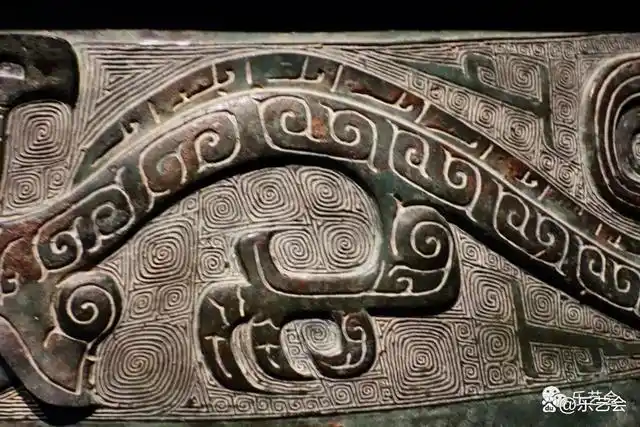
Xianglong can be understood as an auspicious dragon image: a dragon associated with good fortune, upward movement, protection, and powerful presence. In Chinese visual culture, dragons are not merely monsters. They can signal authority, rain, vitality, cosmic order, imperial power, festival energy, and blessing.
What xianglong suggests
The word combines the feeling of auspiciousness with dragon imagery. In art and design, a flying or rising dragon often suggests momentum: clouds, wind, water, thunder, and the movement between earth and sky. The image can feel protective, celebratory, or majestic depending on setting.
Chinese dragons are not one symbol only
- Imperial dragons: authority, rank, and court order.
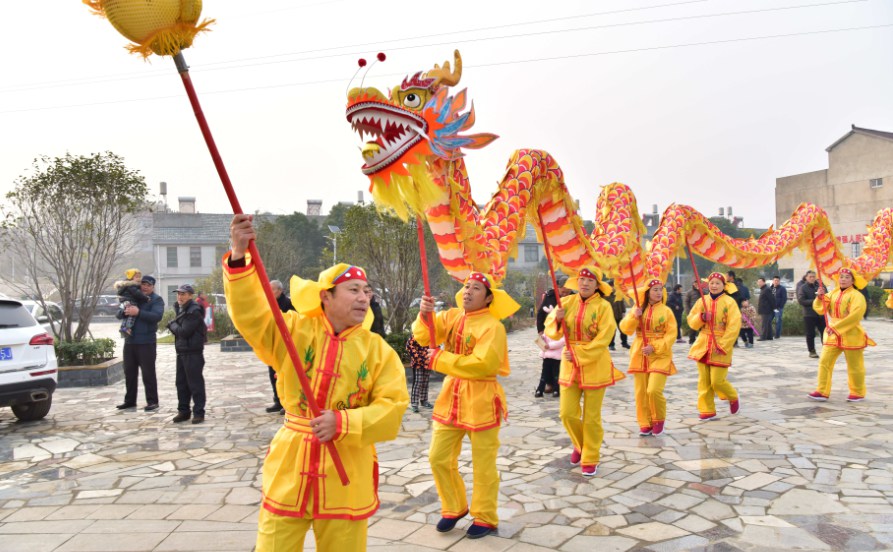
- Festival dragons: performance, community, rhythm, and New Year energy.
- Architectural dragons: protection and visual power on roofs, beams, gates, and carvings.
- Water dragons: rain, rivers, clouds, and agricultural blessing.
- Modern design dragons: identity, strength, and cultural memory.
Where travelers see dragon imagery
Visitors may notice dragons on temple roofs, palace details, stone carvings, porcelain, embroidery, festival dances, bridge decorations, museum objects, and souvenir designs. The same animal changes personality by medium: a carved stone dragon feels different from a paper-cut dragon or a silk embroidered dragon.
Dragon and cloud composition
A dragon often appears with clouds, waves, pearls, or flames. These elements create movement and meaning. Clouds lift the dragon into the sky. Waves connect it to water. A pearl can suggest wisdom, power, or precious energy. The surrounding pattern is not filler; it tells the eye how to read the dragon.
Imperial caution
Dragon imagery is closely linked with emperors, but not every dragon image is imperial. Number of claws, placement, material, and setting can matter in historical objects. A casual modern dragon T-shirt and a court robe do not carry the same meaning. Good interpretation respects context.
How to appreciate without overclaiming
- Describe the object and setting before assigning meaning.
- Avoid saying every dragon means the same thing.
- Notice whether the mood is protective, festive, imperial, decorative, or commercial.
- Use museum labels or local context when available.
Related ChinaWink reads
For related cultural symbols, read the Chinese zodiac guide and the auspicious symbols guide.
Keep exploring ChinaWink
For broader planning, use the China visitor guide, compare city ideas in Destinations, or continue through Blogs.
Dragon imagery during festivals
During Lunar New Year and other public celebrations, dragons appear in dances, lanterns, posters, and decorations. The festival dragon is communal and energetic. It belongs to movement, drums, teamwork, and public blessing. This differs from a dragon on an imperial robe, which speaks more about rank and authority.
What to look for in museums
When viewing a dragon object in a museum, read the label for date, material, and use. A porcelain dragon, roof tile, robe pattern, jade carving, and folk paper cut come from different worlds. The question is not only what the dragon means, but who used it, where, and why.
Dragon as gift motif
A dragon gift can feel strong and auspicious, especially in a dragon year or for someone who appreciates bold design. Choose quality over size. A refined print, museum object, tea package, or small carving often carries the motif better than an oversized souvenir with no craft detail.
Reader takeaway
The useful question is simple: what should you notice, choose, or avoid after reading this guide? If the answer is clear, the page belongs on ChinaWink. If the answer is only a pretty topic label, it needs more work. Use the guide as a starting point for slower, more attentive travel and culture reading.
Modern dragon design
Today dragon imagery appears in fashion, sports graphics, game art, tea packaging, architecture, and festival branding. Modern design often simplifies the body into curves, claws, clouds, or flame shapes. The best versions keep motion and dignity rather than turning the dragon into generic decoration.
Where auspicious dragons appear
Xianglong imagery can appear in architecture, festival decoration, embroidery, ceramics, painting, and public celebration. The meaning changes with context. On a robe, dragon imagery can signal rank or power. In a festival, it may feel protective and joyful. In craft, it may become a pattern of movement, clouds, and water. Look at placement before deciding what the dragon means.