-e1742971339568.png)
A China art gallery afternoon is best treated as a slow cultural walk, not a race through rooms. The goal is not to see every label. The goal is to leave with a few images, materials, colors, and questions that make Chinese art feel more alive after you step outside.
Quick answer: what makes a good gallery afternoon
Choose one gallery or museum, give yourself ninety minutes to two hours, and focus on three things: the period or region behind the works, the materials used, and the feeling of the surrounding neighborhood. A smaller, calmer visit usually teaches more than an overloaded museum day.
Pick the right kind of art space
China has many kinds of art spaces. Some focus on classical painting, calligraphy, ceramics, bronzes, Buddhist sculpture, or court objects. Others focus on contemporary installation, photography, design, and urban memory. Before you go, check whether the venue is a national museum, a city museum, a private gallery, or a temporary exhibition space. That one distinction changes how you should read the visit.
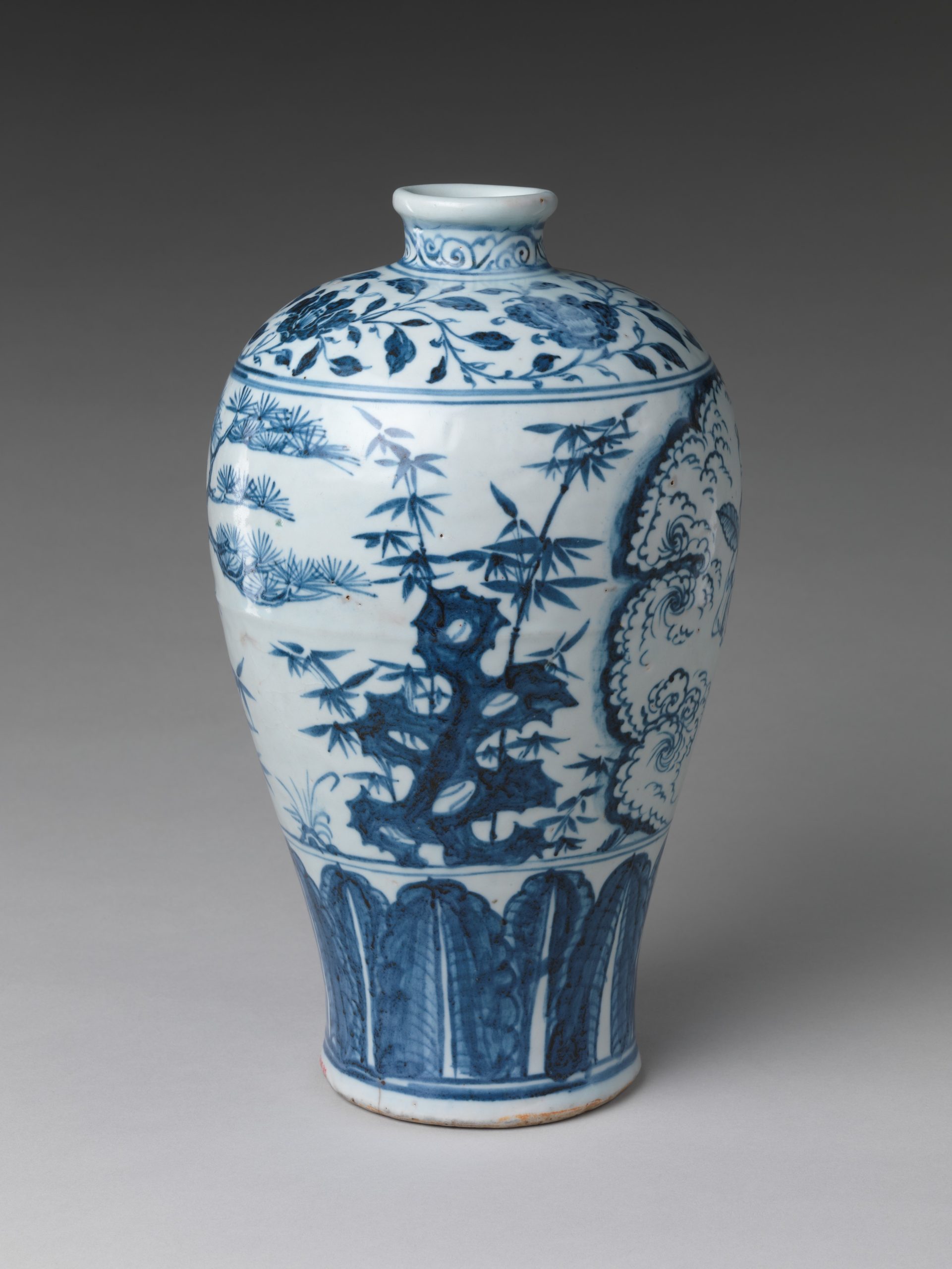
If you are new to Chinese art, start with materials. Ink, paper, silk, porcelain, lacquer, jade, bronze, and carved wood each carry a different way of seeing. Ink painting often asks you to notice brush rhythm and empty space. Ceramics ask you to look at glaze, form, firing, and touch. Contemporary works may speak more directly about city change, memory, migration, or daily life.
Standout venues to know by name
If you want a specific place to start, it helps to recognize the major institutions and what each is known for:
- Palace Museum (the Forbidden City), Beijing — imperial painting, calligraphy, ceramics, bronzes, and jade shown inside the former court itself.
- National Museum of China, Beijing — ancient bronzes, jade, and the long historical record, on the east side of Tian’anmen Square.
- National Art Museum of China (NAMOC), Beijing — modern and contemporary Chinese painting, prints, and ink.
- Shanghai Museum — one of the best places anywhere to read Chinese bronzes, ceramics, painting, calligraphy, seals, and jade; its larger East branch in Pudong has room for far more of the collection.
- China Art Museum and the Power Station of Art, Shanghai — the first for twentieth-century Chinese art, the second for contemporary installation and design.
- Suzhou Museum — a calm building by I. M. Pei that pairs literati objects with garden views, a short walk from the classical gardens.
- Private and West Bund spaces (Long Museum, Yuz Museum, UCCA) — strong for contemporary art and touring international shows.
Most national and city museums charge no entry fee, but they ask you to reserve a free timed ticket in advance. Foreign visitors usually book and enter with a passport, so keep it with you. Many museums close on Mondays and stop admitting visitors an hour or two before closing, so an early start protects a slow pace.
Use a simple slow-looking route
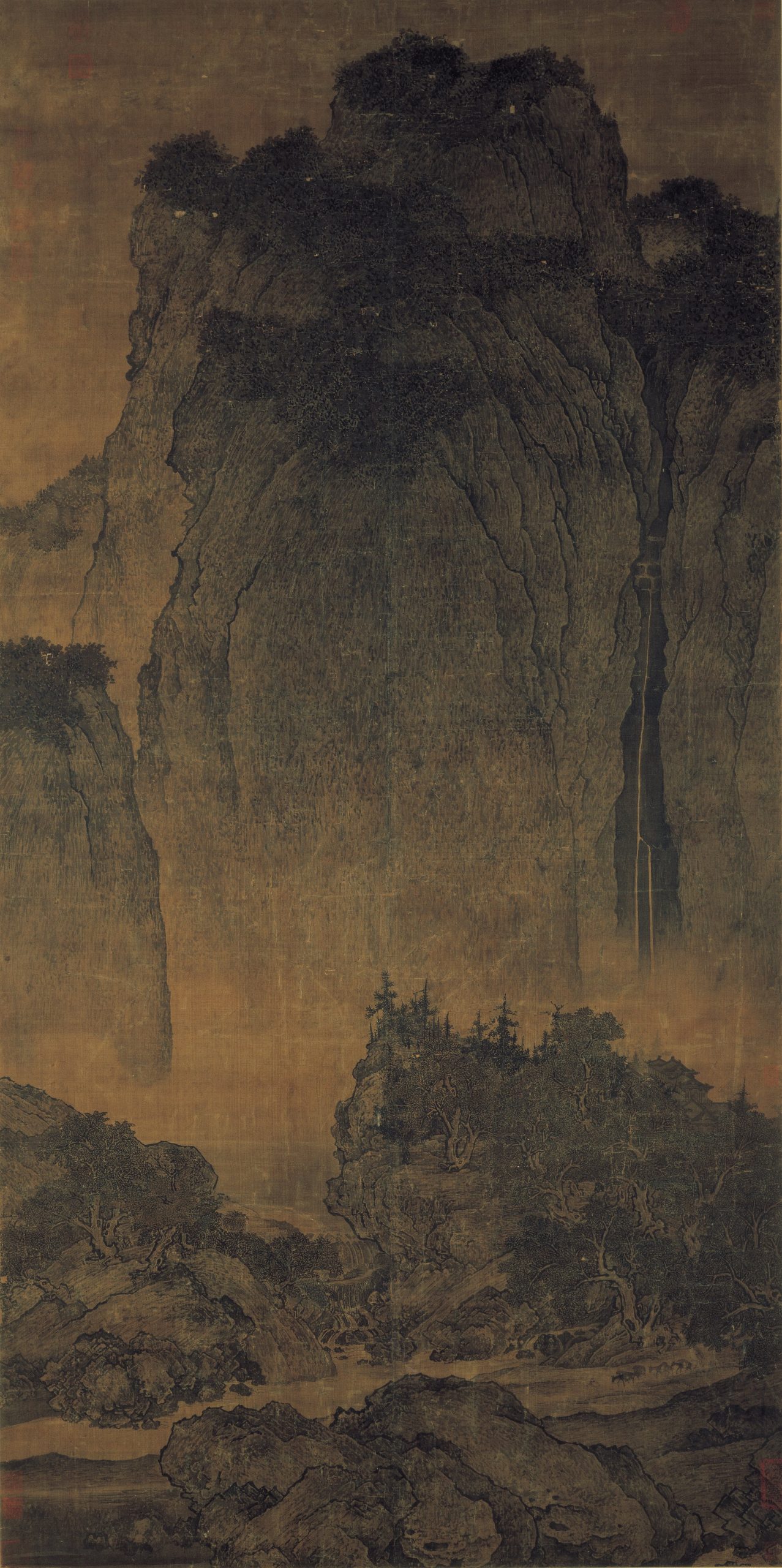
Walk through the first room quickly, then return to the three works that held your attention. Spend five quiet minutes with each one. Ask what you noticed first, what you noticed second, and what detail you missed at the beginning. This method works especially well with Chinese landscape painting, where the eye may travel through mountains, water, paths, boats, bridges, and empty sky.
Do not worry if some labels are short or translated unevenly. Use the object itself as the main source. Look for repeated motifs: plum blossom, pine, crane, lotus, dragon, scholar rocks, river scenes, mountain paths, or city streets. Repetition is helpful because it shows what Chinese artists and viewers returned to again and again.
How to read a Chinese painting
Traditional Chinese painting rewards a different kind of looking than a framed oil on a wall. A few habits make it open up:
- Notice the format. A tall hanging scroll is meant to be seen at once; a handscroll is read slowly from right to left, a section at a time, like walking through a landscape; album leaves and fans are intimate, close-up views.
- Read the empty space. In ink painting, the unpainted paper (often called liubai, “leaving white”) is not blank. It stands in for mist, water, sky, or distance, and it lets the brushwork breathe.
- Follow the brush. Look at how a single stroke changes from wet to dry, thick to thin. Literati painters valued the trace of the hand and the rhythm of the brush more than exact likeness.
- Find the red seals and the writing. The red stamps (seals) and the columns of calligraphy (colophons) are not decoration. They record the artist, later owners, and admirers across centuries, so a single scroll can carry the fingerprints of many collectors.
The same slow attention helps with calligraphy and ceramics. With calligraphy, you do not need to read the characters to feel the movement, pressure, and speed of the brush across the different script styles. With ceramics, compare a pale green celadon, a blue-and-white porcelain, and a plain monochrome glaze, and notice how form, glaze color, and the foot of the vessel change the mood of each piece.
Connect the gallery to the city outside
A good art afternoon includes a short walk after the exhibition. If the gallery is near old lanes, a riverfront, a university district, a creative park, or a quiet tea room, let the neighborhood extend the visit. Art often becomes easier to remember when you connect it with a street, a meal, or a conversation afterward.
Practical etiquette
Check photo rules before taking pictures. Avoid flash, do not touch surfaces, and keep your voice low in smaller rooms. If the gallery is busy, step aside before reading long labels so others can see the work. For popular exhibitions, book ahead when required and arrive earlier in the day if you want a calmer pace.
Keep reading
For a wider culture route, pair an art afternoon with our Chinese courtyard garden guide, China tourist photography guide, and Chinese symbols guide. To go deeper on single materials, see our pages on Chinese porcelain and Chinese calligraphy. Together they make visual culture easier to understand beyond a single museum room.
What to write down after the visit
Before leaving, write down three things: one artwork you remember clearly, one material you want to learn more about, and one question the exhibition raised. This small note makes the gallery visit useful later. For example, you might remember a mountain shape in an ink painting, the shine of a ceramic glaze, or the way a contemporary work used old objects to talk about a changing city.
If you are traveling with someone else, compare notes over tea or a simple meal nearby. Chinese art often becomes easier to understand through conversation. One person may notice brushwork, another may notice color, and another may connect the work to architecture, gardens, food, or family memory. That shared noticing is part of the cultural value of a museum afternoon.
Gallery afternoon: common questions
Do I need to book Chinese museums in advance? For most national and major city museums, yes. Admission is often free, but you reserve a timed entry slot ahead of time and enter with your passport. Smaller private galleries and commercial spaces usually let you walk in.
How long should I spend? Ninety minutes to two hours in one venue is plenty. Chinese art rewards depth over distance, so a focused visit to a few galleries beats trying to cover an entire large museum in one afternoon.
I cannot read the Chinese labels — is it still worth it? Yes. Materials, format, brushwork, empty space, color, and repeated motifs carry much of the meaning. Use the object as your main source and let the short labels support it.