-e1742971339568.png)
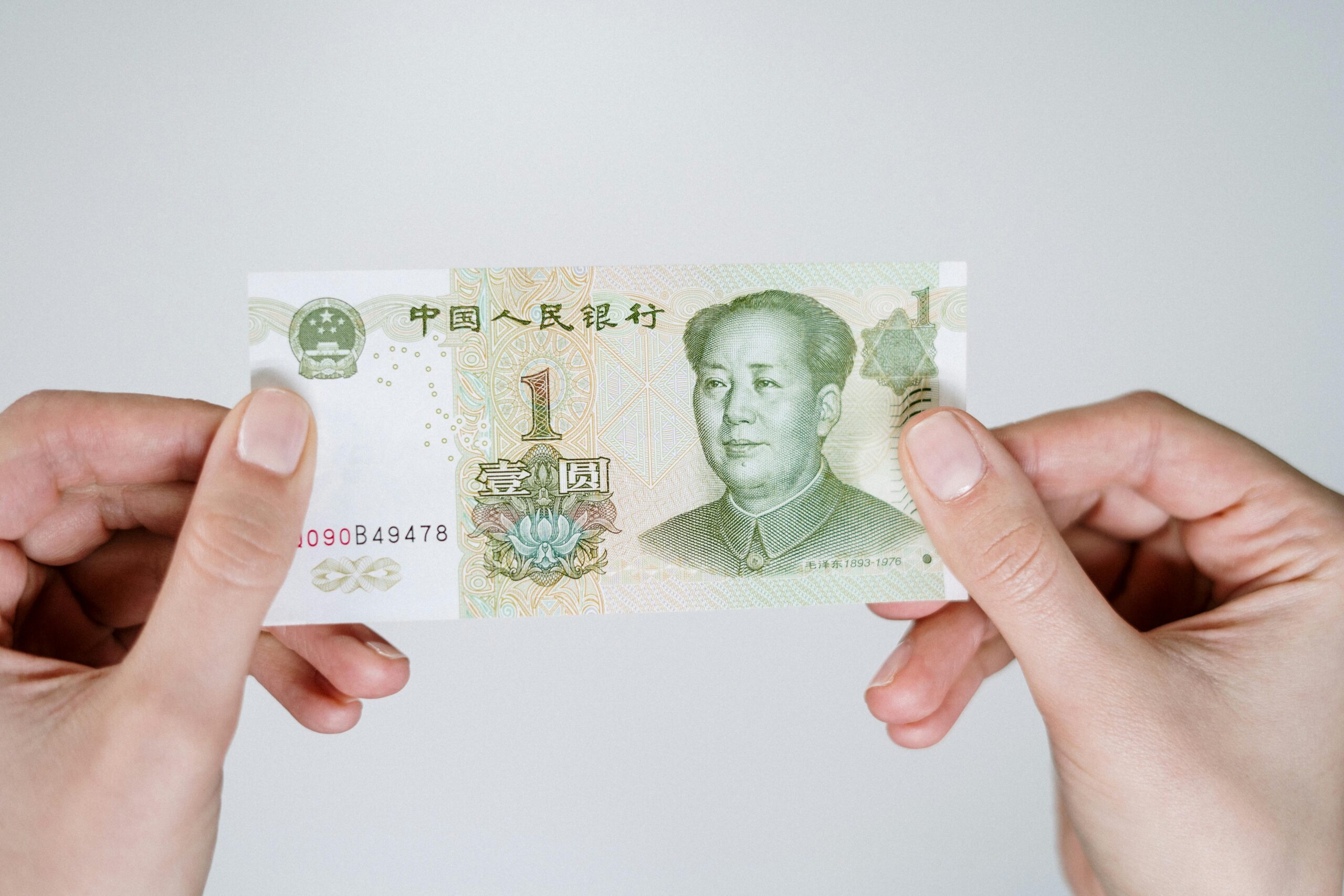
“My treat” in Chinese culture is more than a payment sentence. It can express hospitality, seniority, friendship, apology, celebration, gratitude, or the desire to take care of guests. The meaning depends on relationship, occasion, age, region, and who invited whom.
The basic idea: qingke
A common phrase is qingke, meaning to host or treat. If someone says they are treating, they may be offering more than money; they are taking responsibility for the meal. That can be warm and generous, but it also carries social nuance. The guest should respond with appreciation, not entitlement.
Why people insist on paying
- Hospitality: a host wants guests to feel welcomed.
- Face: paying can show respect, capability, or sincerity.
- Reciprocity: one person pays now, another may host later.
- Seniority: older relatives, managers, or hosts may expect to pay.
- Celebration: birthdays, promotions, reunions, or thanks often have a clear host.
When splitting is normal
Younger friends, classmates, colleagues, and casual groups may split bills more often, especially in large cities. Apps make splitting easier. Still, a person who issued the invitation may try to pay. Watch the social context rather than assuming one rule covers every meal.
Business meals and caution
In business settings, payment can carry hierarchy and expectation. Let the host lead unless you know the relationship well. If you need to follow company compliance rules, explain gently and privately when possible. Avoid turning the bill into a public contest, because the performance can become more awkward than the payment.
Useful phrases
- I will treat today: Jintian wo qingke.
- Next time I will treat: Xiaci wo qing.
- Thank you for treating us: Xiexie ni qing women.
- Let us split it: Women AA ba.
- Please let me pay this time: Zheci rang wo lai ba.
Visitor etiquette
If a Chinese host strongly insists on paying, accept with sincere thanks after a polite offer. Then find another way to reciprocate: coffee later, a small gift, the next meal, or a thoughtful message. Do not turn the bill into a long public struggle that embarrasses everyone.
If you really want to pay
Offer once or twice, then read the room. If the host clearly insists, accept and say next time is mine. Forcing the issue too hard can make the host feel their hospitality has been rejected. Gratitude plus future reciprocity is usually warmer than arguing.
Regional and family differences
Northern banquet culture, southern tea and dim sum habits, business meals, student meals, and family dinners all feel different. In some settings, paying quickly and quietly is admired. In others, open splitting is perfectly normal. Culture is a pattern, not a law.
Current-info note: Check current official information before fixing tickets, transport, payments, or opening hours.
- If payment is connected to business, work, or compliance rules, follow your organization’s current policy instead of relying on social etiquette alone.
Related ChinaWink reads
For food planning, read the Beijing restaurant guide or the Shanghai street-side food guide.
Keep exploring ChinaWink
For broader planning, use the China visitor guide, compare city ideas in Destinations, or continue through Blogs.
How the bill moment usually feels
The bill may be handled quickly, quietly, or with playful argument. Sometimes one person pays before others notice. Sometimes friends insist back and forth. The important thing is to keep the mood warm. Turning the bill into a public struggle can make everyone lose face, even if your intention is generous.
Gift and meal reciprocity
If someone hosts dinner, you might bring fruit, tea, snacks from your hometown, or invite them for a future coffee. In many relationships, reciprocity is remembered over time rather than settled immediately. A thoughtful next gesture can matter more than exact accounting.
When “my treat” is more than paying the bill
In China, offering to treat someone can carry warmth, respect, gratitude, or a wish to keep the relationship balanced. The gesture is not only about money. It often says, “I value this time together.” If someone insists on paying, respond with appreciation rather than turning the moment into a contest. You can offer to buy coffee next time, bring a small gift, or choose another way to return the kindness. The social meaning matters more than the exact amount. Understanding that makes the phrase feel human instead of confusing.