-e1742971339568.png)
Nanjing Yunjin brocade and Lijiang tea are both souvenir candidates, but they should not be treated as simple things to buy. Yunjin is a demanding silk-weaving tradition tied to looms, thread, pattern, and court taste. Tea in Lijiang points toward Yunnan’s wider tea world, including Pu’er, Dianhong, tasting habits, and the risk of tourist-shop overclaiming. A good cultural souvenir should answer four questions: what is it made of, where does it come from, who made or selected it, and how should it be used after the trip?
Key Takeaways
- Nanjing Yunjin is valuable because of craft process and material detail, not only because the pattern looks luxurious.
- Lijiang tea buying should start with tasting, origin questions, storage, and budget, not with pressure to buy a premium gift box.
- UNESCO and museum sources support the cultural frame, but they do not verify any individual shop’s product claims.
- A practical souvenir should be portable, legal to carry, clearly labeled, and easy to explain later.
- All object images were visually reviewed; good brocade and tea-shop photos were used, while wrong-context images were rejected.
Why Yunjin is not just a beautiful fabric
Short answer: Yunjin matters because of its material, loom work, and slow coordination between craftspeople. The surface beauty is only the visible result.
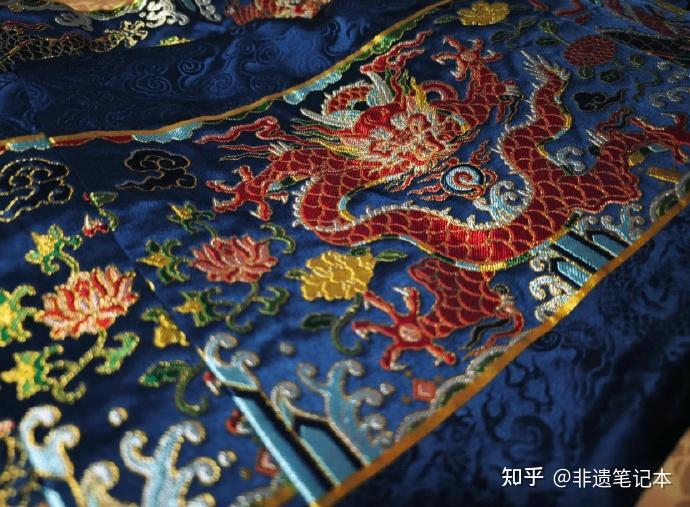
The source clue described Nanjing Yunjin as a major silk craft and a UNESCO-listed intangible heritage item. That core claim is supported by UNESCO’s page on the craftsmanship of Nanjing Yunjin brocade, which describes two craftspeople operating the upper and lower parts of a large loom. The Nanjing Yunjin Museum’s English page also connects the craft to the UNESCO Representative List.
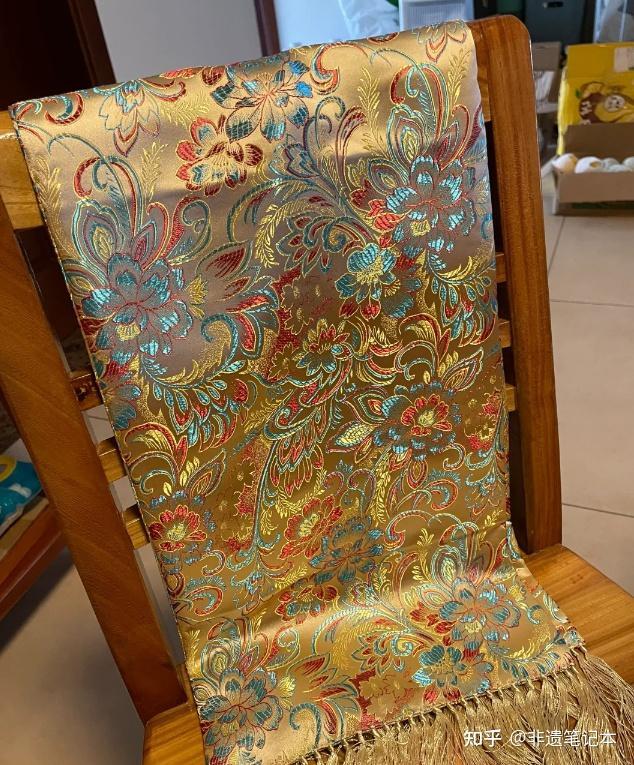
For an overseas reader, the useful question is not “is this expensive?” It is “what am I looking at?” Look for thread density, color transitions, metallic thread, motif clarity, and whether the seller or museum label explains the technique. ChinaCulture’s silk overview notes that Yunjin represents Chinese silk weaving at a high technical level and can require slow handwork. That context makes a small, honest piece more meaningful than a large vague souvenir.
Lijiang tea: ask better questions before buying
Short answer: In Lijiang, use tea shops as tasting and learning spaces, but do not accept every origin, age, or premium claim without evidence. Ask about tea type, origin, storage, tasting method, and return policy.
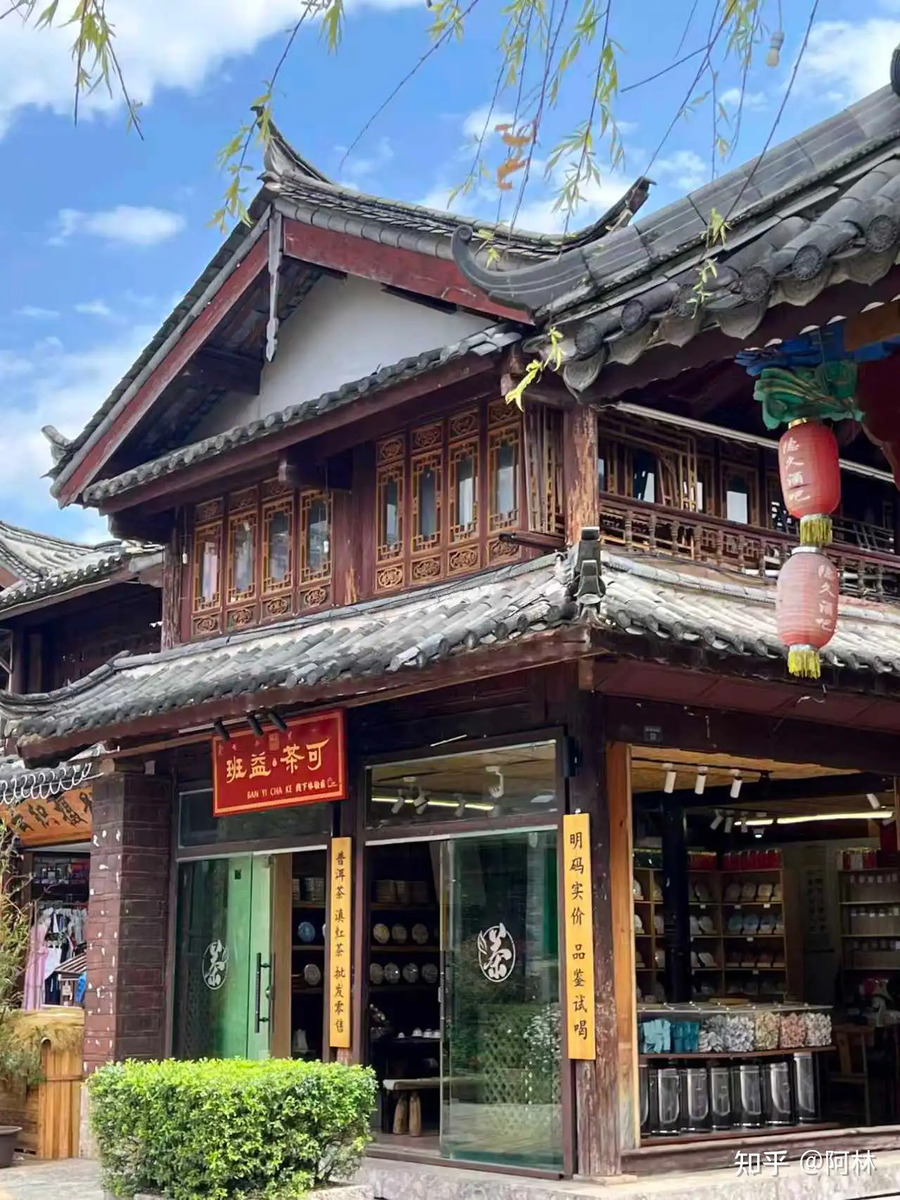
The Lijiang tea clue focused on Pu’er, Dianhong, tasting before buying, and avoiding tourist traps. That is useful reader intent. The article removes the specific shop endorsement and turns the clue into a buying framework. Yunnan’s tea context is real: FAO describes the Pu’er Traditional Tea Agrosystem as a major tea-forest agricultural heritage system, while UNESCO’s tea-processing page frames Chinese tea through plantation management, picking, processing, serving, and social practice.
That does not mean every tea sold in Lijiang is heritage tea. A careful buyer asks: is this raw Pu’er, ripe Pu’er, Dianhong, white tea, or another style? Where was it produced? How was it stored? Can I taste it? Is the packaging for drinking or gifting? If the answer becomes vague, choose a smaller purchase or walk away.
How to choose a souvenir with context
Short answer: Choose the object that you can explain later. If you cannot explain its material, place, maker, and use, it is probably just decoration.
| Question | Yunjin example | Tea example | Why it matters |
|---|---|---|---|
| Material | Silk, metallic thread, woven structure | Leaf type, cake, loose tea, black tea, or Pu’er | Prevents vague luxury claims |
| Place | Nanjing craft or museum context | Yunnan origin and seller transparency | Connects the object to a real region |
| Maker or selector | Workshop, museum shop, labeled producer | Tea producer, batch, shop tasting notes | Makes the claim checkable |
| Use | Display, wear, gift, or study | Drink now, age, gift, or learn | Stops overbuying |
| Travel | Can it survive luggage pressure? | Is it sealed and allowed through customs? | Protects the purchase after leaving China |
A practical souvenir rule
Short answer: Buy less, verify more, and keep the story honest. A modest object with clear context is better than an impressive object with unclear claims.
For Yunjin, that may mean a museum postcard, small textile sample, or clearly labeled accessory rather than an expensive piece you cannot evaluate. For tea, it may mean a small tasting set or modest cake instead of a high-price gift box. If the seller will not let you examine the label, ask questions, or taste the tea, the safer answer is no.
Also think about customs and storage. Meat pastries, loose food, and agricultural products may face restrictions when carried abroad. Tea usually travels more easily when sealed and labeled, but rules differ by destination. A reader should check their own country’s import rules before buying food or plant products.
FAQ
Is Nanjing Yunjin on UNESCO’s intangible heritage list?
Yes. UNESCO lists the craftsmanship of Nanjing Yunjin brocade, and the museum’s English page also references that listing. The listing supports the craft tradition, not any individual product claim.
Should I buy Pu’er or Dianhong in Lijiang?
Choose by taste and use. Pu’er can be raw or ripe and may be stored or aged; Dianhong is Yunnan black tea and is often easier for beginners. Taste first and ask for origin and storage details.
What makes a good cultural souvenir from China?
A good souvenir has clear material, place, maker or source, and use. It should be portable, legal to carry home, and easy to explain without exaggeration.
Content note
This article uses public culture and shopping discussions as topic prompts, then rewrites them into an original English cultural explainer. It does not verify any individual shop’s claims, prices, opening hours, or product grades. Check museum information, product labels, and destination import rules before buying.