-e1742971339568.png)

Nanjing, Xiamen, and Qingdao are all strong food cities, but they should not be reduced to a list of viral shops. Nanjing teaches the duck-and-snack side of Jiangsu eating. Xiamen is a Fujian port-city table with seafood, sha cha noodles, soups, and old street snacks. Qingdao is beer, seafood, Shandong-style cooking, and neighborhood routes near old-town landmarks. The right question is not “which single place is best?” It is “what should I order first, and what should I verify before following a local list?”
Key Takeaways
- Nanjing is a duck-and-snack city: soup, dumplings, pan-fried beef, and old snack bars matter more than hype.
- Xiamen food works best when seafood, sha cha noodles, soups, and Fujian restaurant cooking are kept in the same frame.
- Qingdao should be read by neighborhood, beer culture, seafood freshness, and Shandong kitchen skill.
- Do not publish exact price, ranking, or best-shop claims unless they are verified current facts.
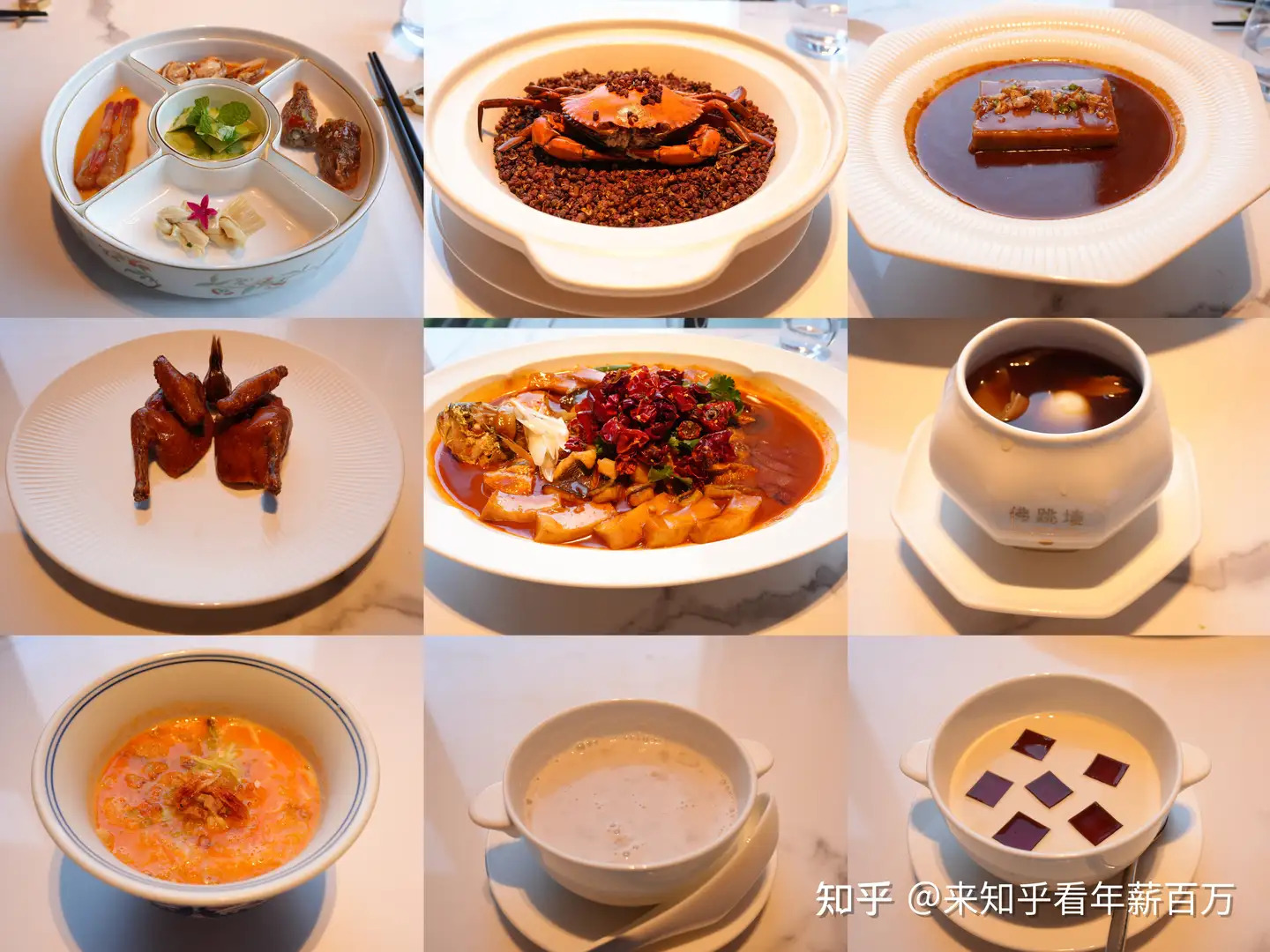
- Food photos were used only when they were real dishes or useful city context; ads and avatars were rejected.


How to use local food lists without copying them
Short answer: Treat local food lists as ordering clues, not as verified rankings. Keep dish types, neighborhood logic, and caveats; drop unverifiable shop worship, personal memories, and platform noise.
The Nanjing source was a long local answer full of personal memory and real snack vocabulary. The Xiamen source leaned on Michelin-era Fujian restaurant discovery. The Qingdao source organized food by neighborhood and warned against weak tourist seafood. Those signals are useful, but they need editing. A ChinaWink reader needs an ordering map, not a copied answer.
For Nanjing, the official English city site lists snack bars and food names including Jiming steamed dumplings, Liu Changxing, Li Ji pan-fried dumplings, duck blood vermicelli soup, and salted duck. For Xiamen, the Michelin Guide Xiamen restaurant list is useful evidence that Fujian cooking has serious restaurant attention, but it should not turn the article into a luxury list. For Qingdao, the official Tsingtao Beer Museum pages connect the city to beer culture and Dengzhou Road, which helps readers place food streets in a city context.
Nanjing: start with duck, dumplings, and old snack logic
Short answer: In Nanjing, order one duck-related dish, one dumpling or bun, one noodle or wonton bowl, and one small snack. This gives the city a clearer shape than chasing a dozen addresses.
The source answer mentioned pan-fried beef dumplings, beef wontons, soup dumplings, salted duck, duck blood vermicelli soup, and old snack streets. The article keeps that vocabulary but removes personal stories and uncertain shop judgments. For a first meal, salted duck and duck blood vermicelli soup explain the city’s duck habit. Pan-fried dumplings or soup dumplings add the snack-bar rhythm. A wonton or noodle bowl gives the low-pressure local meal.
Practical rule: choose places with visible turnover, clear menus, and steady local traffic. If a dish depends on broth or duck parts, freshness and cleanliness matter more than online heat. If you are new to duck blood, start with a small bowl and keep expectations clear: texture is part of the experience.
Xiamen: seafood, sha cha noodles, and old-port snacks
Short answer: Xiamen eating should balance seafood freshness, sha cha noodles, soups, oyster dishes, and Fujian restaurant cooking. Do not judge the city only by one Michelin meal or one night-market snack.
The Xiamen clue named ambitious restaurant meals, seafood dishes, sha cha noodles, and local classics. The Michelin Guide’s Xiamen coverage is useful because it confirms that Fujian cooking is not only street food. At the same time, a visitor can learn plenty from a noodle shop, an oyster omelette, a seafood counter, or a simple soup.
A good first Xiamen food day might start with sha cha noodles or rice rolls, move toward seafood or Fujian dishes for lunch, and leave evening space for Zhongshan Road or Shapowei snacks. If you order seafood, confirm weight, preparation, and price before cooking. If a restaurant is famous for a single dish, order that dish before filling the table with generic sides.
Qingdao: eat by neighborhood, not by one viral list
Short answer: Qingdao food makes sense when seafood, beer, old-town walking, and Shandong-style cooking are tied to neighborhoods. Start near a route you already want to walk.
The Qingdao source grouped food by areas such as old-town, Taidong, and coastal districts. That is a useful structure because Qingdao can waste your time if you cross the city for one uncertain restaurant. The Tsingtao Beer Museum gives a durable anchor: beer culture is not only a drink but part of the city’s industrial and visitor identity. Tsingtao’s English page also places the museum at 56 Dengzhou Road, the birthplace of the company.
For a first Qingdao meal, think in pairs: seafood plus beer, dumplings plus old-town walk, or a Shandong stir-fry plus a nearby park or church route. Avoid seafood places where prices are unclear or where every dish looks designed for tourists. A good kitchen should be able to handle simple stir-fries and fresh seafood without hiding behind a set menu.
A first-order matrix
Short answer: Pick one anchor dish, one staple, one fresh or light item, and one local drink or dessert. That creates contrast without over-ordering.
| City | Anchor order | Second order | Reader check |
|---|---|---|---|
| Nanjing | Salted duck or duck blood vermicelli soup | Pan-fried dumplings, soup dumplings, or wontons | Fresh broth, visible turnover, clear menu |
| Xiamen | Sha cha noodles or seafood dish | Oyster omelette, soup, or Fujian restaurant plate | Seafood weight, topping price, queue realism |
| Qingdao | Fresh seafood, dumplings, or Shandong stir-fry | Beer culture stop or old-town snack | Price transparency and kitchen skill |
FAQ
Is Nanjing food only about duck?
No, but duck is a useful first lens. Add dumplings, wontons, noodles, and snack bars so the city does not become a single-dish stereotype.
Should I use Michelin in Xiamen?
Use Michelin as one evidence signal for restaurants and Fujian cuisine, not as the whole plan. Xiamen also rewards simple noodle shops, seafood counters, and old-port snacks.
What is the safest way to eat seafood in Qingdao?
Choose busy places with clear prices, visible seafood, and simple preparations. Confirm weight and cooking method before ordering, especially near tourist streets.
Content note
This article turns public food discussions into an original English ordering framework. It avoids copied anecdotes, exact current prices, unverified shop rankings, and personal claims. Restaurant quality, hours, and menus can change, so verify locally before relying on a specific address.