-1.png)
China City Walks: Hangzhou Hillside Lanes and Chongqing Stair Streets
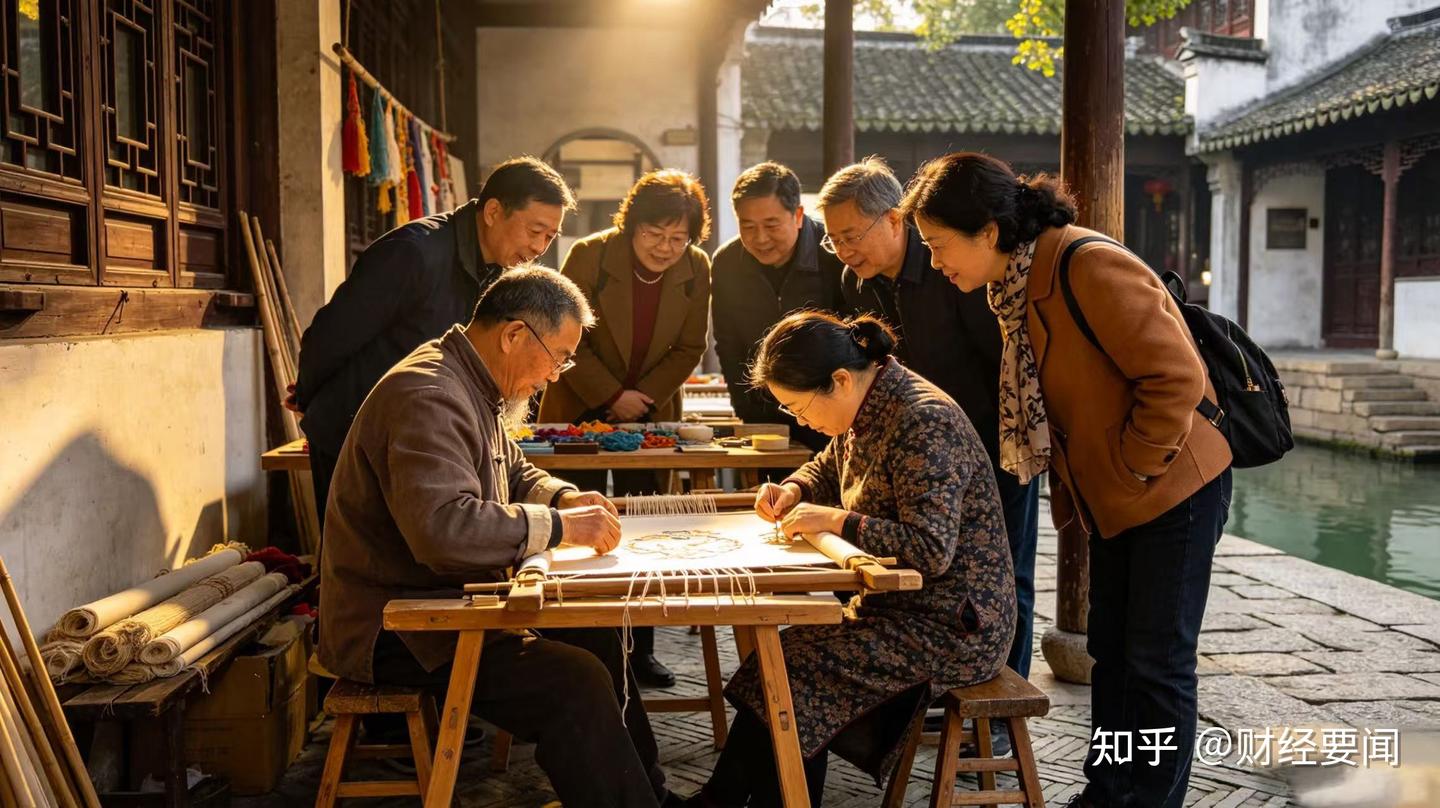
A good China city walk is not just a list of landmarks. It is a route that lets the city explain itself: Hangzhou does it through shaded lanes above the old city; Chongqing does it through stairs, brick walls, steep neighborhoods, and layered river views. This guide turns today’s Hangzhou and Chongqing clues into a practical walking framework, with Lhasa kept as a useful caveat: some scenic destinations need permit, altitude, and itinerary planning rather than casual urban walking.
Key Takeaways
- Pick Hangzhou if you want quieter lanes, old-city texture, and soft hillside views near West Lake.
- Pick Chongqing if you want a physical walk: stairs, elevation changes, unusual buildings, and river-city layers.
- Keep the route short. A two-hour walk with one rest stop beats a six-stop screenshot itinerary.
- Do not apply citywalk logic to every scenic clue. Lhasa, Potala Palace, and Tibet routes need altitude and permit planning.
The Fast Decision Rule
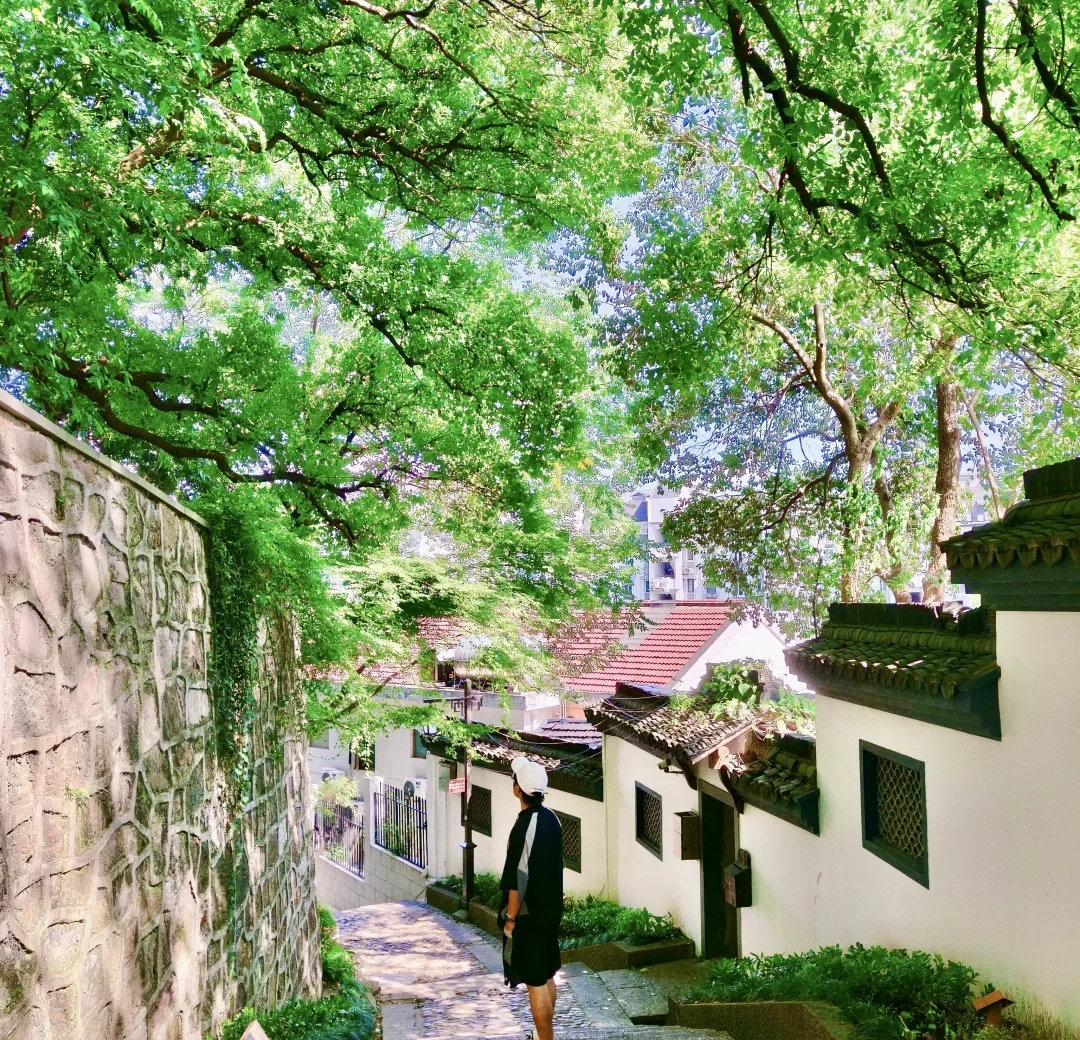
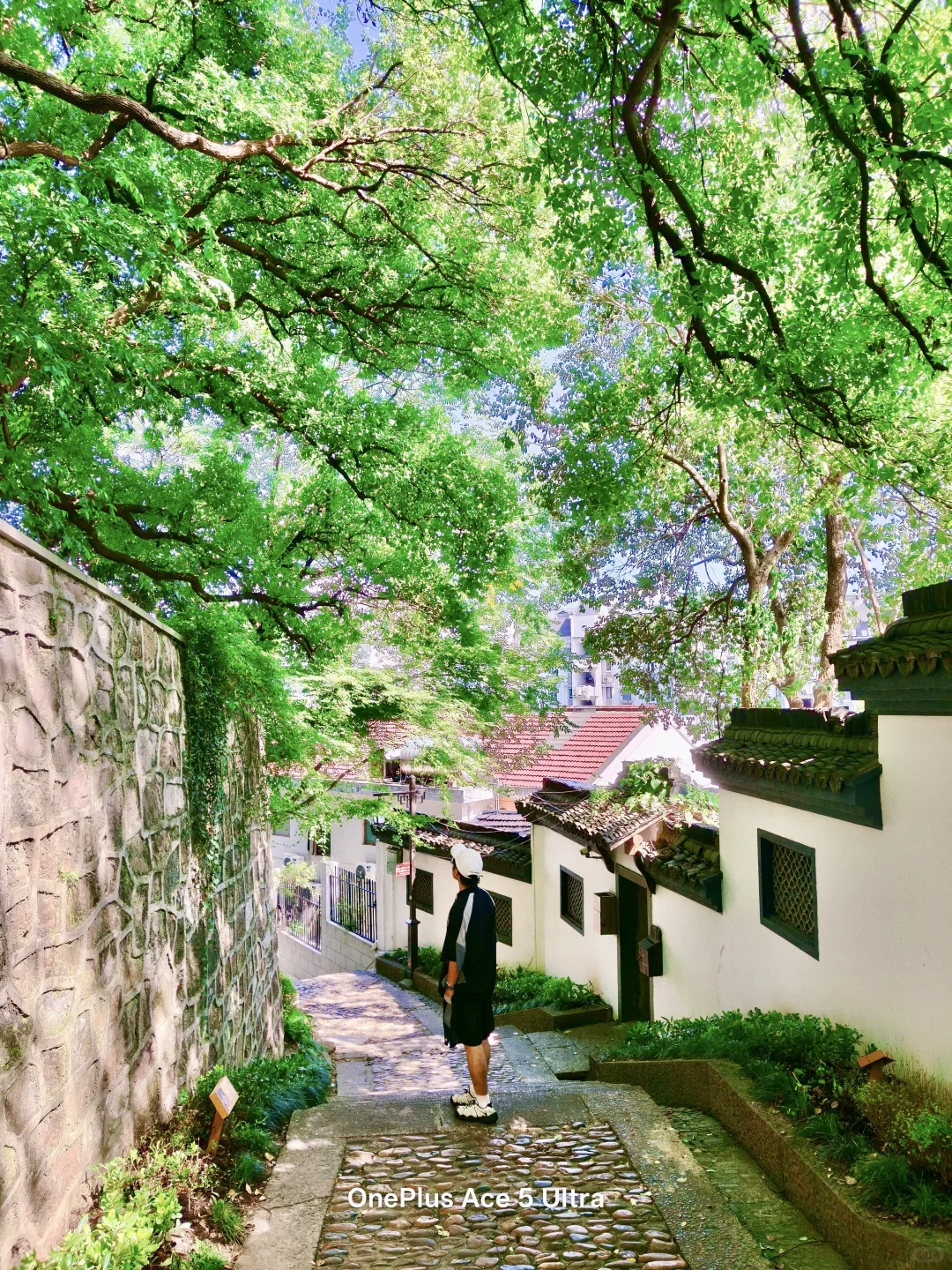
Choose Hangzhou for atmosphere and Chongqing for topography. Hangzhou rewards slow looking: stone steps, old walls, alleys near Wushan, and glimpses of pavilions through trees. Chongqing rewards movement: stairs that change level quickly, street corners that open to high views, and neighborhoods where the map feels almost three-dimensional.
That difference matters because overseas visitors often underestimate how tiring a city walk can be in China. Hangzhou’s hillside route still needs summer heat planning, but it is easier to pace. Chongqing is more dramatic and more demanding. Good shoes are not optional there.
Hangzhou: Use The Wushan Lanes As A West Lake Alternative
Hangzhou visitors often crowd the lakefront first. The better second move is to walk the old lanes and low hills south of West Lake, especially around Shiwukui Alley, Xiaoxia Lane, Wushan, and Wansong Academy. A Hangzhou Daily city feature describes Xiaoxia Lane as a route from the busy old city toward Wushan, connecting local life, historic sites, and viewpoints such as Jianghu Huiguan Pavilion and Jiyi Pavilion. That matches the collected clue closely and gives the walk a stronger public source than a social caption alone: Hangzhou Daily on the Xiaoxia Lane-Wushan city walk.
For a first-time visitor, start near the old-city lanes, climb gradually, and treat Wansong Academy as the cultural anchor rather than just a photo stop. A Hangzhou cultural tourism page describes Wansong Academy as sitting on Wansong Ridge, with Qiantang River to one side and West Lake to the other, and notes its Ming-period academy history and later reconstruction.
The mistake is trying to make the route too complete. Pick three linked elements: lane, hill, and rest stop. If it is hot, walk early or late and carry water. If it is raining, stone steps can be slippery.
Chongqing: Walk For Layers, Not For A Flat Map
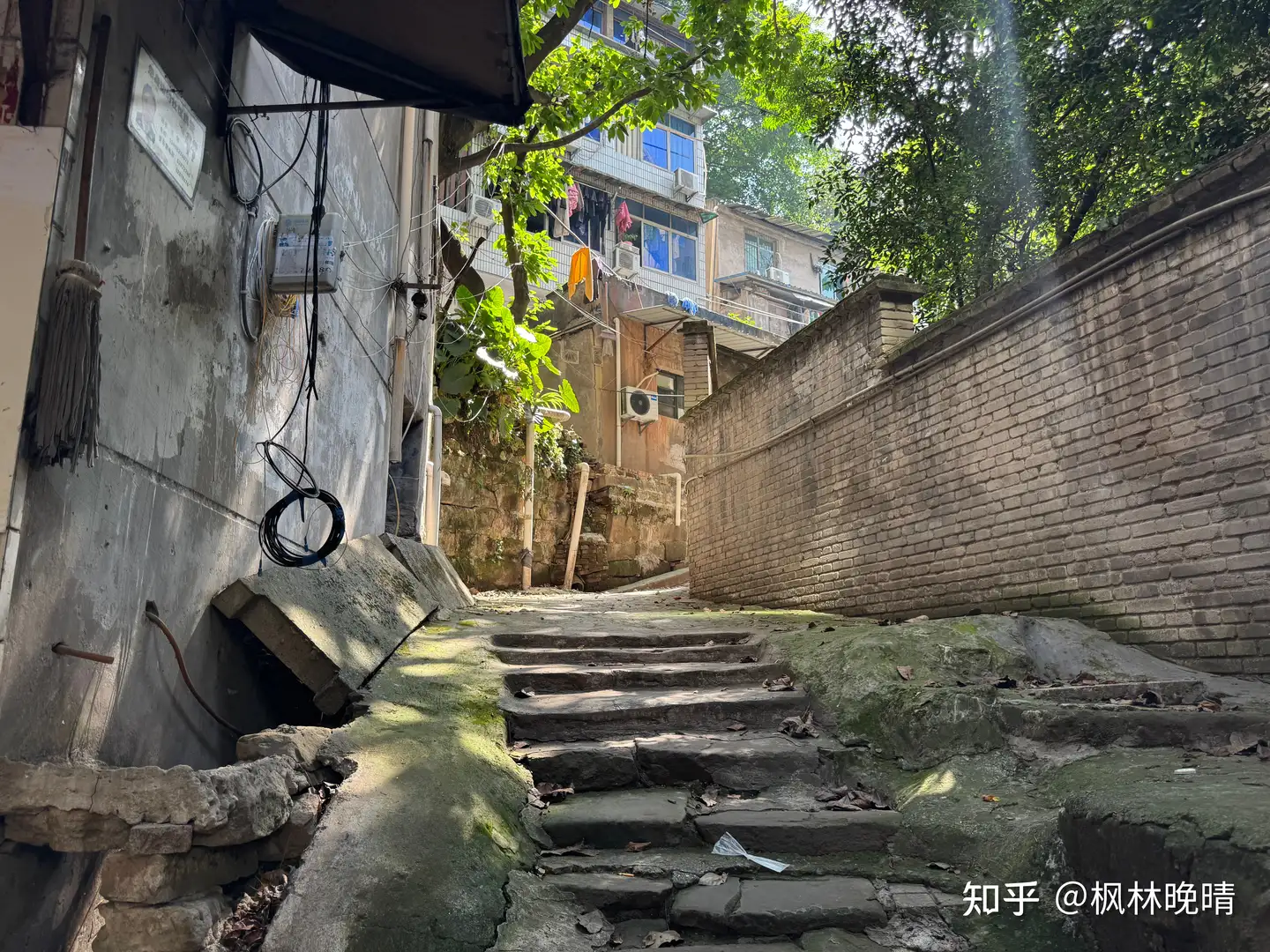
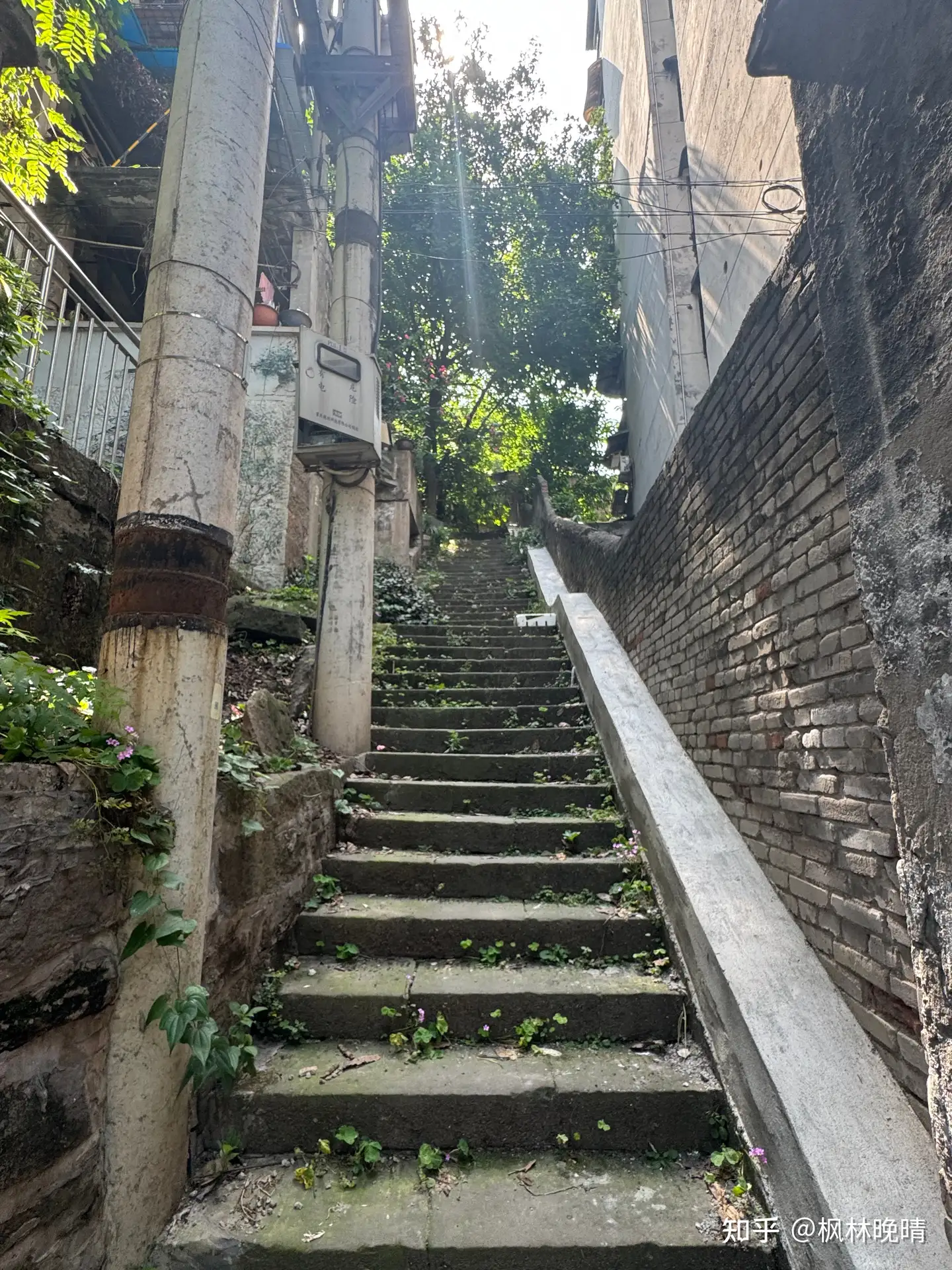
Chongqing citywalk works because the city is vertical. A short route can pass stair lanes, retaining walls, old residential texture, commercial landmarks, and river views without feeling like a normal downtown walk. The collected Zhihu clue was right about one thing: Chongqing can feel like an urban maze, and that is the point.
Use Jiefangbei, Shibati, Daijia Alley, Hongyadong, or a similar Yuzhong route as anchors, then leave time for stairs. iChongqing, a city-facing English information site, describes Hongyadong as a representative urban tourist area shaped by Chongqing’s three-dimensional landscape. That is the frame to use: Hongyadong is most useful as a marker of terrain and night views, not just a crowded photo stop.
A Two-City Walk Planner
| City | Best for | Keep it to | Watch out for |
|---|---|---|---|
| Hangzhou | Lanes, soft views, old-city texture, Wushan hillside | 2-3 hours, one tea or rest stop | Heat, mosquitoes, slippery steps after rain |
| Chongqing | Stairs, urban layers, dramatic night views | 2 hours before dinner or night view | Elevation, crowds near Hongyadong, confusing exits |
| Lhasa | Monasteries, palace views, Tibetan urban culture | Planned itinerary with acclimatization | Permits, altitude, timed tickets, sensitive cultural spaces |
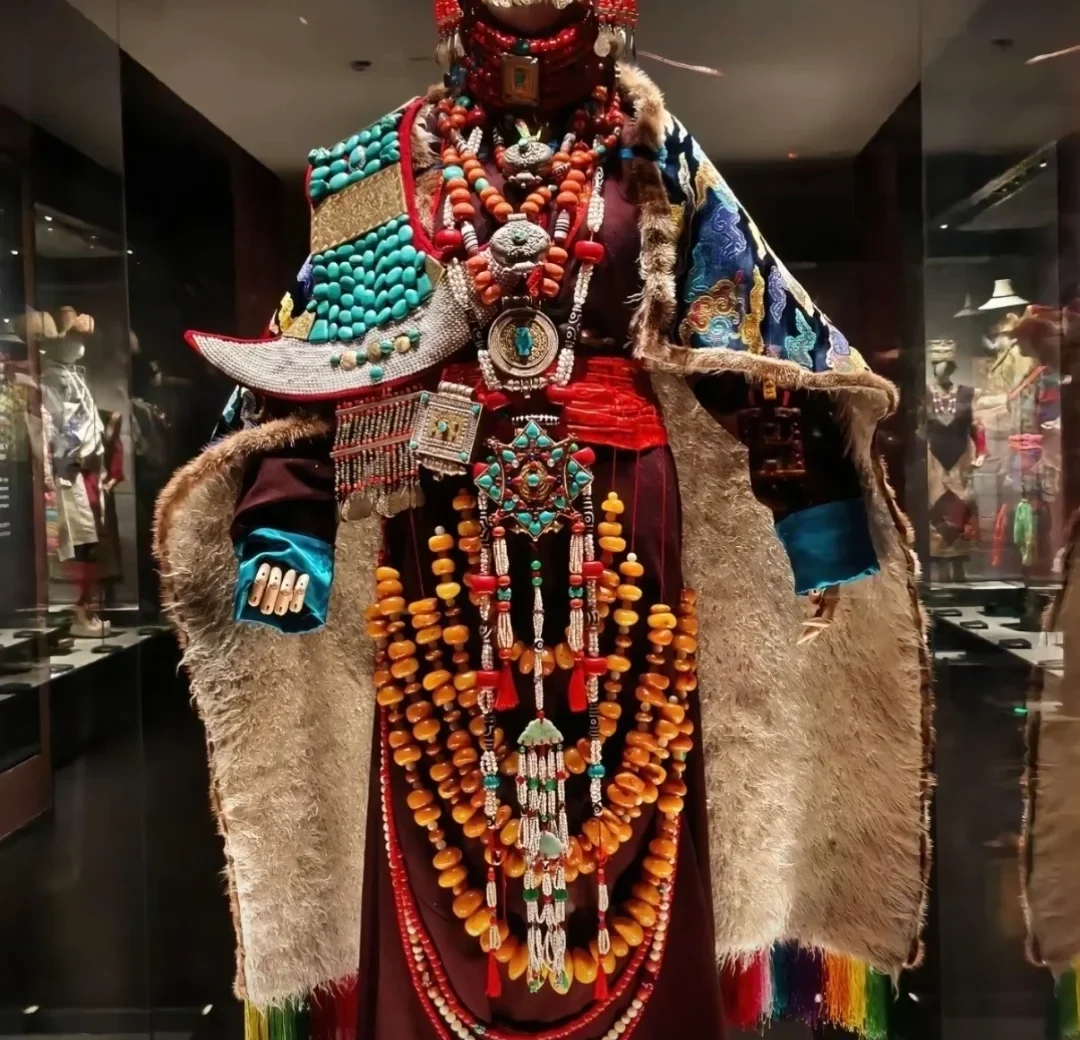
The Lhasa clue from today’s batch is valuable, but it belongs to a different planning type. Foreign visitors to Tibet generally need permit arrangements through an approved travel operator, and Potala Palace visits often require timed booking through official local channels. Treat Lhasa as a destination plan, not a spontaneous citywalk add-on.
FAQ
Is Hangzhou citywalk better than West Lake?
It is not better; it solves a different problem. West Lake gives the classic view, while Wushan-side lanes give texture, shade, and everyday old-city detail.
Is Chongqing citywalk hard?
It can be. The distance may look short, but stairs and level changes make it more tiring than a flat walk. Wear shoes with grip and keep the route short.
Can I do both cities on one China trip?
Yes, but do not treat them as interchangeable. Hangzhou pairs well with Jiangnan and Shanghai routes; Chongqing pairs better with Sichuan, Yangtze River, or southwest China routes.
Why not include Lhasa as a normal walking city?
Lhasa is walkable in parts, but the travel constraints are different. Altitude, permits, religious sites, and timed visits should shape the plan before casual wandering.
Content Note
This article uses public social clues to identify route ideas, then checks them against public city and tourism sources. Opening times, ticket rules, and local crowd levels can change; verify the current status before you travel.
Publishing Appendix
Primary category: China Travel Guide. Secondary category: Trips. City categories: Hangzhou and Chongqing. Used source images: xiaohongshu-city-比起西湖,我更爱这条小众Citywalk路线🍃-7-1.webp; zhihu-city-有哪些特别适合 CITYWALK(城市漫步)的城市?-4-1.webp; zhihu-city-有哪些特别适合 CITYWALK(城市漫步)的城市?-4-2.webp. Lhasa scenery clue was used as a planning caveat rather than a live route recommendation.