-1.png)
Chinese Souvenir Culture: Suzhou Crafts, Longjing Tea, and Lhasa Handicrafts
The best Chinese souvenirs are not just pretty objects. They carry a place, a material, and a buying responsibility. Today’s culture clues point to three useful cases: Suzhou silk crafts and museum objects, Hangzhou’s Longjing tea authenticity problem, and Lhasa’s thangka, incense, butter tea, and religious-material context. Read them as cultural objects first and shopping ideas second.
Key Takeaways
- In Suzhou, look for process: embroidery, kesi weaving, woodblock prints, fans, lanterns, or museum objects that show how skill becomes form.
- With Longjing tea, origin matters. Do not buy only from a poetic name; ask what the label actually proves.
- In Lhasa, avoid treating religious objects as casual decor. Thangka, incense, prayer items, and knives have cultural and practical boundaries.
- A good souvenir has a traceable maker, material, place, and use. If one of those is missing, slow down.
Suzhou: Start With Craft Process, Then Buy Smaller
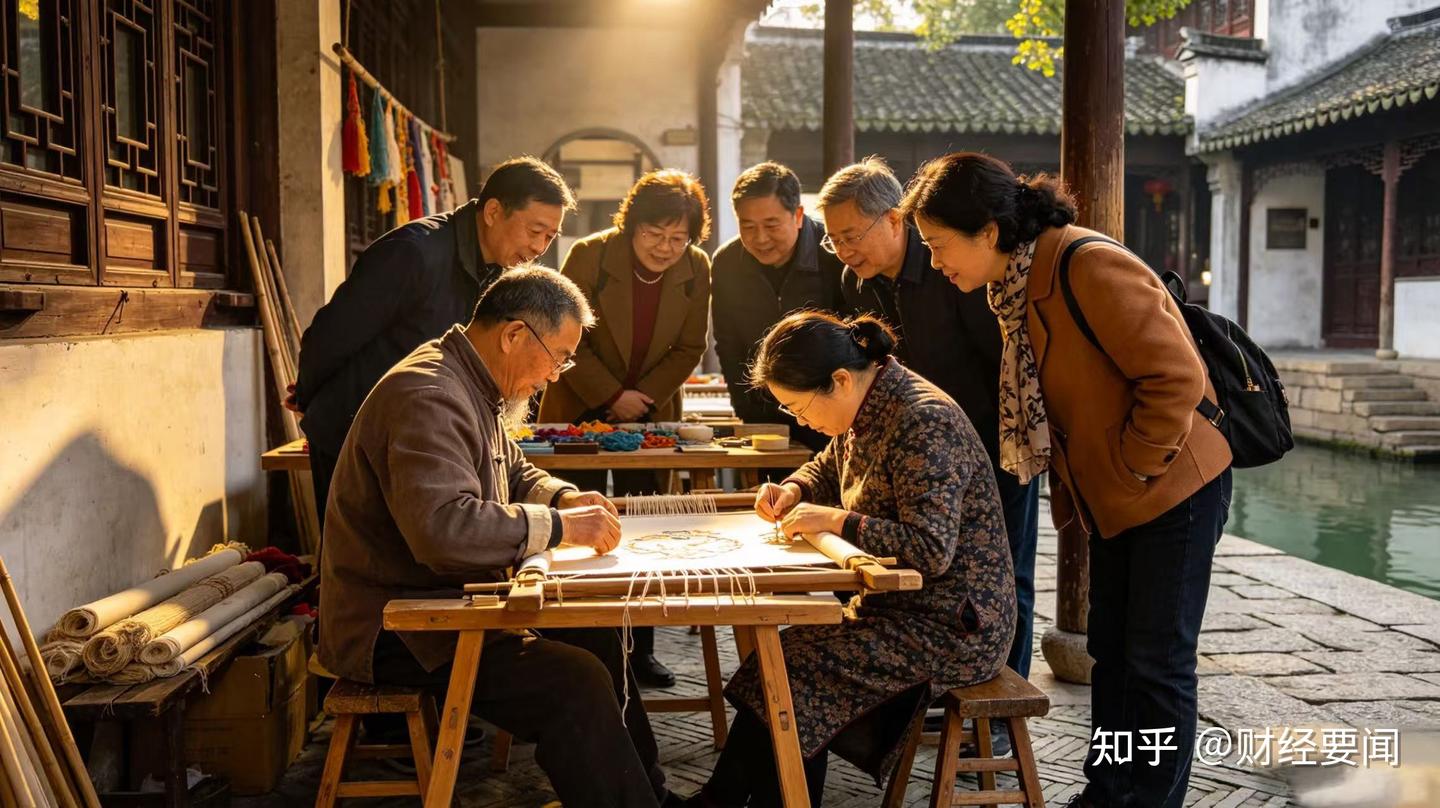
Suzhou is a strong place for craft because the city lets a visitor connect museum objects, living workshops, and canal-side urban texture. The collected clues mentioned Su embroidery, kesi weaving, lanterns, handwork experiences, and a water-market scene. The useful visitor move is to watch process first, then buy a small object you understand.
China’s official intangible cultural heritage database describes Su embroidery as a craft named for Suzhou, historically rooted in the city and surrounding towns. The same database explains Suzhou kesi weaving through the technique of cutting the weft, or using discontinuous colored silk threads to build the image. Those details matter. They give you questions to ask: Is this embroidered or printed? Is this woven, machine-made, or hand-finished? Is the price realistic for the labor claimed?
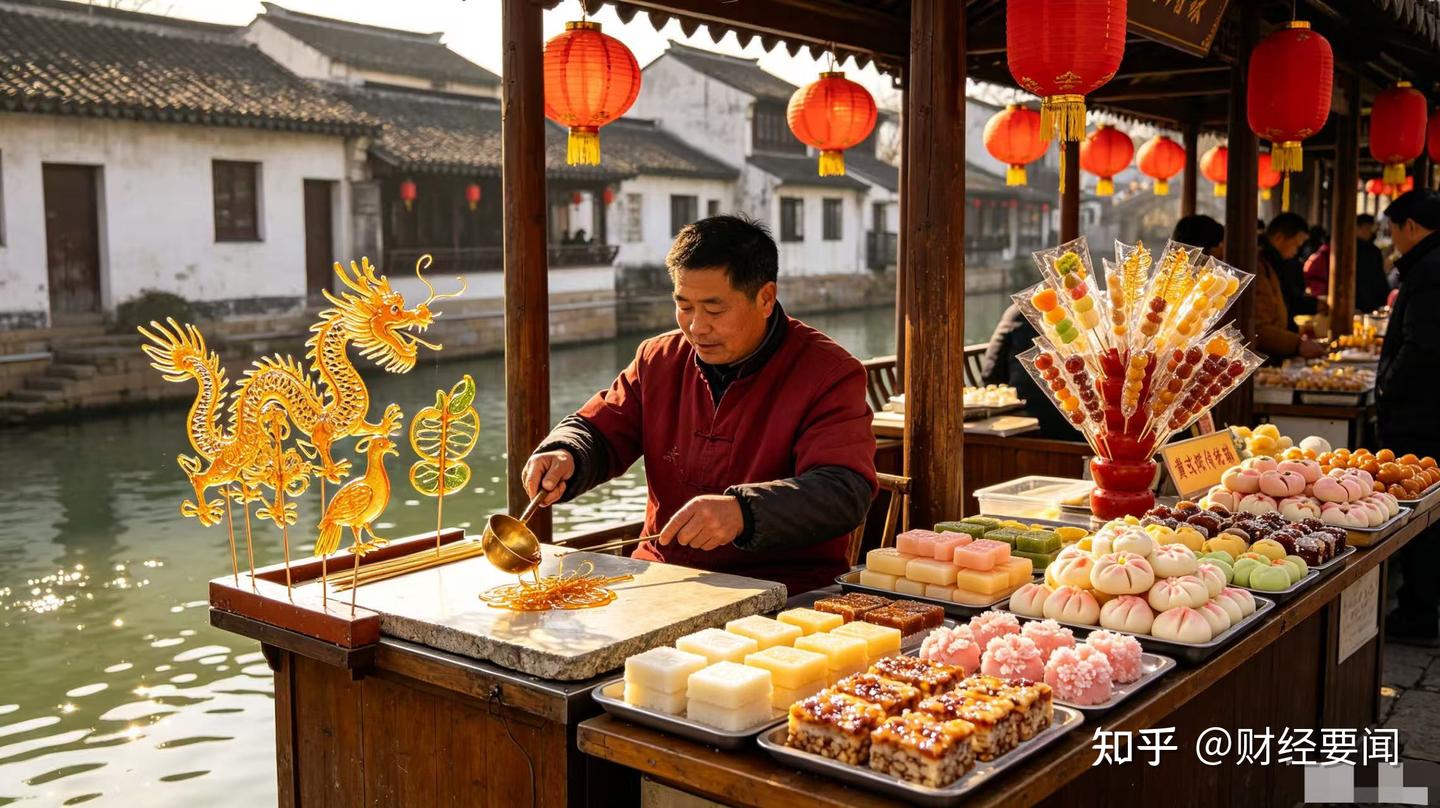
Use Suzhou Museum Before You Judge The Market
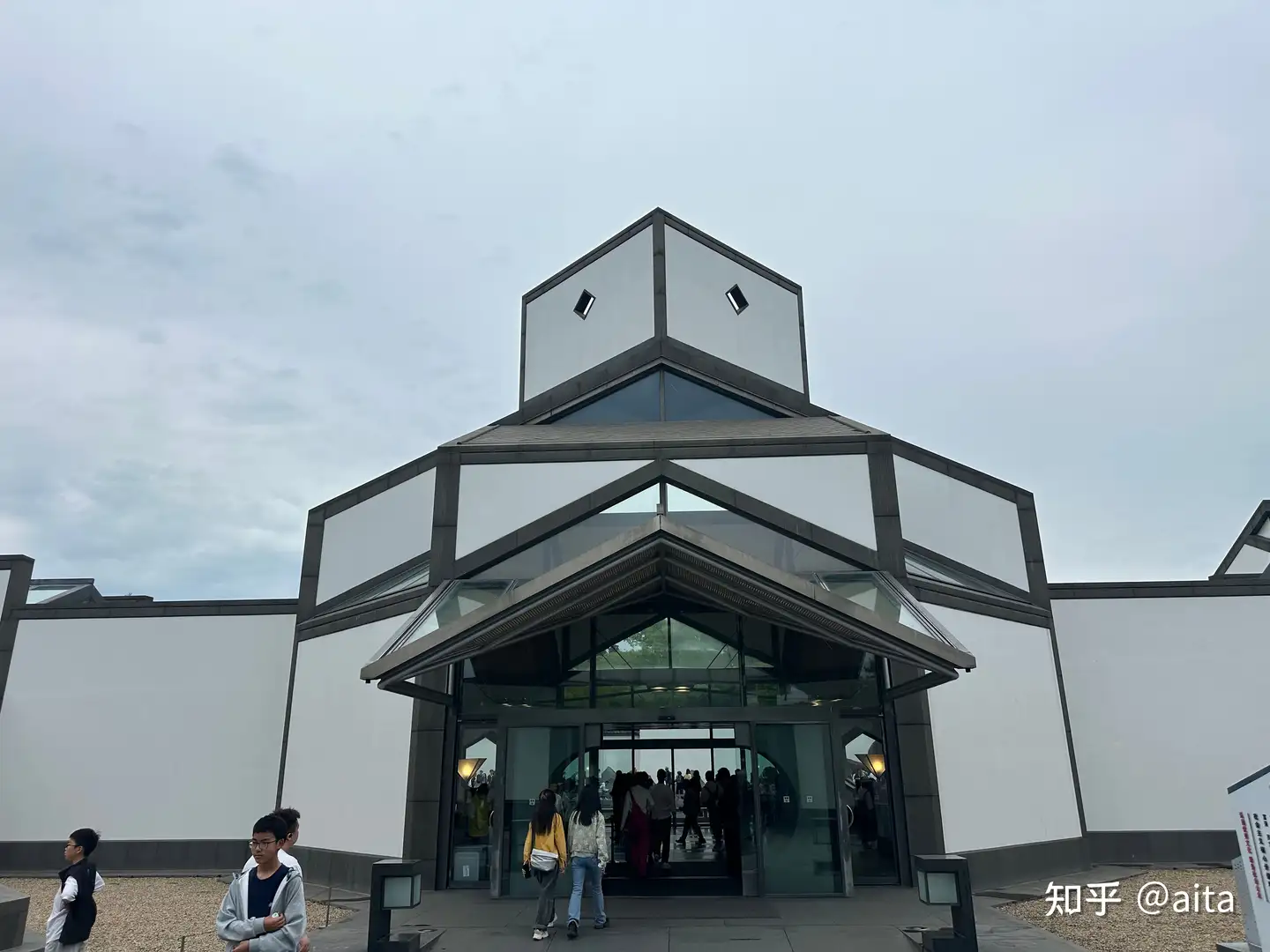
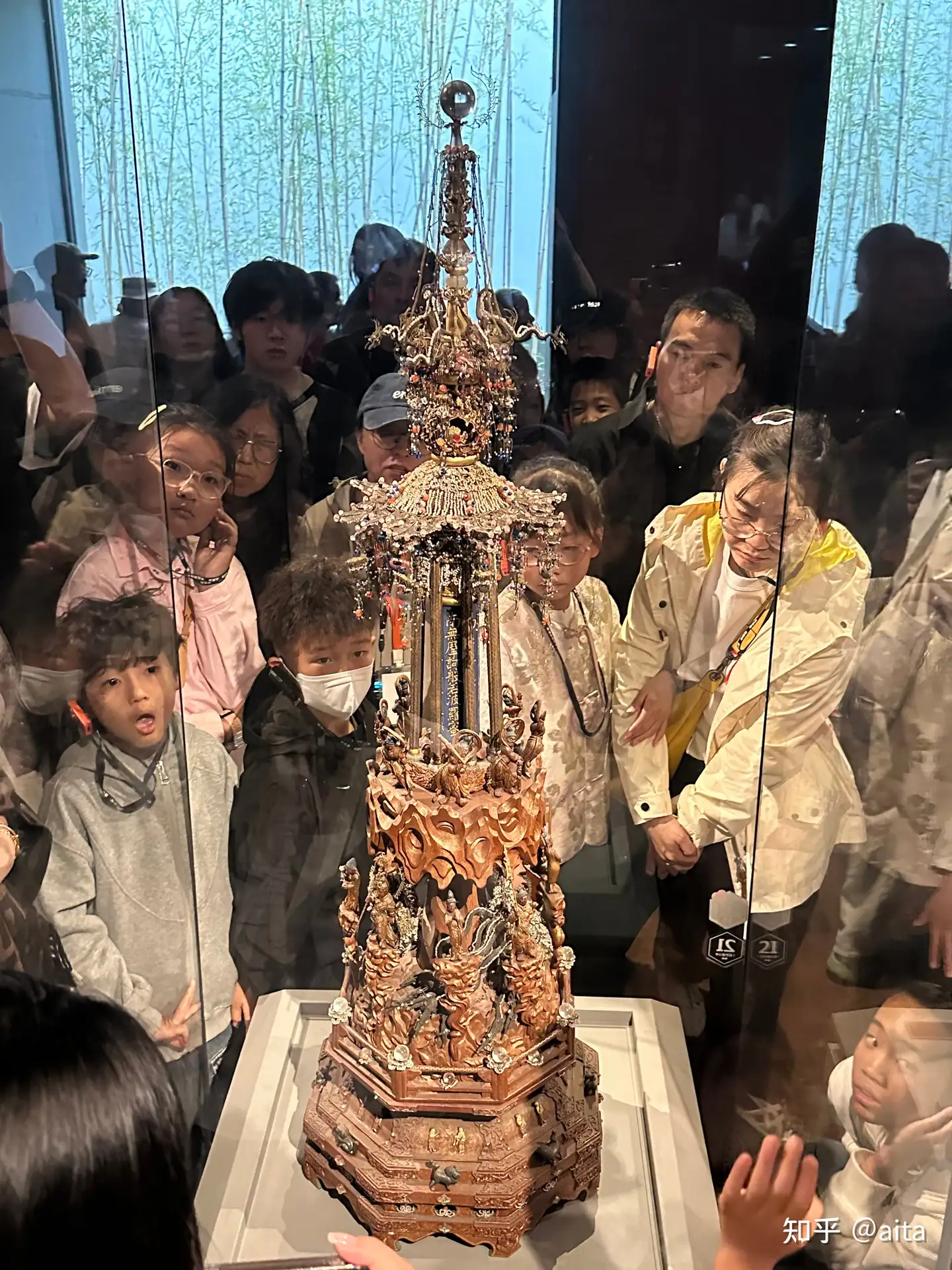
A museum visit improves souvenir buying because it trains your eye. Suzhou Museum’s own English introduction describes the institution as a comprehensive museum for the collection, exhibition, research, and promotion of Suzhou history, culture, and art. Its relic pages also document objects such as the Pearl Pillar of the Buddhist Shrine. You do not need to become a specialist. You need to notice material, scale, labor, and context.
Hangzhou Longjing: Treat The Label As Part Of The Object
Longjing tea is a cultural object, not just a green tea flavor. The Hangzhou clue in today’s batch focused on a common buyer problem: teas sold with Longjing language may not all be West Lake Longjing. That concern is real enough to deserve a careful, non-alarmist section.
China’s national standards platform lists Geographical Indication Product – Longjing Tea as a standard under China’s geographical indication system. Public Chinese government and legal sources also discuss the protection of West Lake Longjing as a geographic brand. For a traveler, the practical rule is simple: buy less, ask more, and keep packaging or certification details if authenticity matters to you.
Do not judge only by leaf shape or the phrase ‘Dragon Well.’ Ask where it was grown, what grade it claims, when it was harvested, and whether the seller can explain the origin without rushing you. If you only want a pleasant tea to drink at home, be honest about that; you do not need to pay for a premium origin story.
Lhasa: Buy With Cultural Boundaries
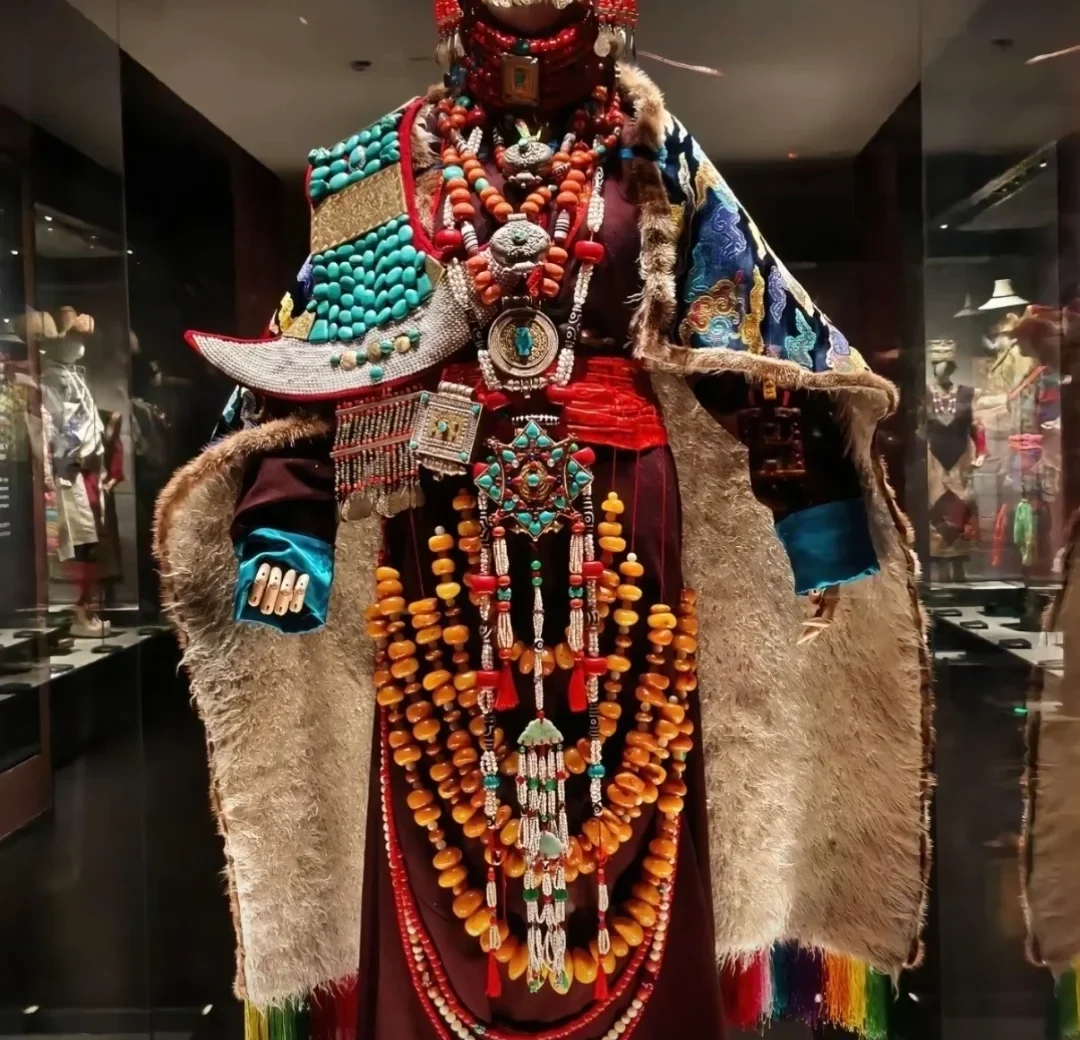
The Lhasa clue mentioned thangka, Tibetan incense, butter tea, and local specialties. These are useful topics, but they need a different tone from a shopping list. A thangka is a religious painting tradition before it is a wall decoration. Tibetan incense can be connected with ritual use, medicine, and scent culture. Butter tea is an everyday food-and-drink habit, not a packaged novelty.
Be careful with knives, wildlife-derived products, medicinal claims, and anything that sounds rare because it is restricted. Customs rules, airline rules, and ethical sourcing can matter more than the seller’s enthusiasm. For most visitors, safer souvenirs are small textiles, responsibly made incense, local tea or food items, printed museum goods, and work purchased directly from transparent makers.
A Four-Question Checklist Before You Buy
| Question | Why it matters | Good sign |
|---|---|---|
| Who made it? | Craft value depends on labor and authorship | Named studio, artisan, cooperative, museum store, or clear workshop |
| What is it made from? | Materials change price, care, and ethics | Seller can explain silk, paper, wood, tea origin, or incense ingredients |
| What place does it claim? | Place names can be marketing shorthand | Origin label, museum context, or local workshop link |
| How will you use it? | A souvenir should survive travel and make sense at home | Small, legal, packable, and not dependent on religious misunderstanding |
For more culture-first reading, use ChinaWink’s WinkLife category and, for tea topics, the Chinese Tea category.
FAQ
Is Suzhou embroidery a good souvenir?
Yes, if you buy at a scale and price that match the labor. Small embroidered items, museum-store goods, and transparent workshop pieces are safer than suspiciously cheap large panels.
Is kesi the same as embroidery?
No. Kesi is a silk weaving technique, while embroidery adds stitches to a ground fabric. That difference is why seeing a workshop or museum display helps.
How do I avoid fake Longjing tea?
Do not rely on the name alone. Ask about origin, harvest, grade, and certification, and buy less if you cannot verify the claim.
What should I avoid buying in Lhasa?
Avoid wildlife-derived items, medicinal products with big claims, restricted knives or blades, and religious objects you do not understand. Choose transparent, packable, respectful goods instead.
Content Note
This guide uses public social clues as cultural prompts and rewrites them into an original, visitor-facing guide. It does not verify individual sellers or workshops. Regulations, customs rules, event schedules, and museum access can change; check current details before buying or traveling.
Publishing Appendix
Primary category: WinkLife. Secondary category: Chinese Tea. City categories: Suzhou, Hangzhou, Lhasa. Used source images: zhihu-other_specialties-谁懂中式浪漫!国内首个非遗水市,河道复刻千年江南烟火-3-1.jpg; zhihu-other_specialties-谁懂中式浪漫!国内首个非遗水市,河道复刻千年江南烟火-3-2.jpg; zhihu-city-最近你有去哪里逛博物馆,可以分享下你看到的文物?-6-1.webp; zhihu-city-最近你有去哪里逛博物馆,可以分享下你看到的文物?-6-2.webp. Longjing and Lhasa clues were used in dedicated sections without publishing their unavailable or unsuitable images.