-e1742971339568.png)
Nature & Scenery
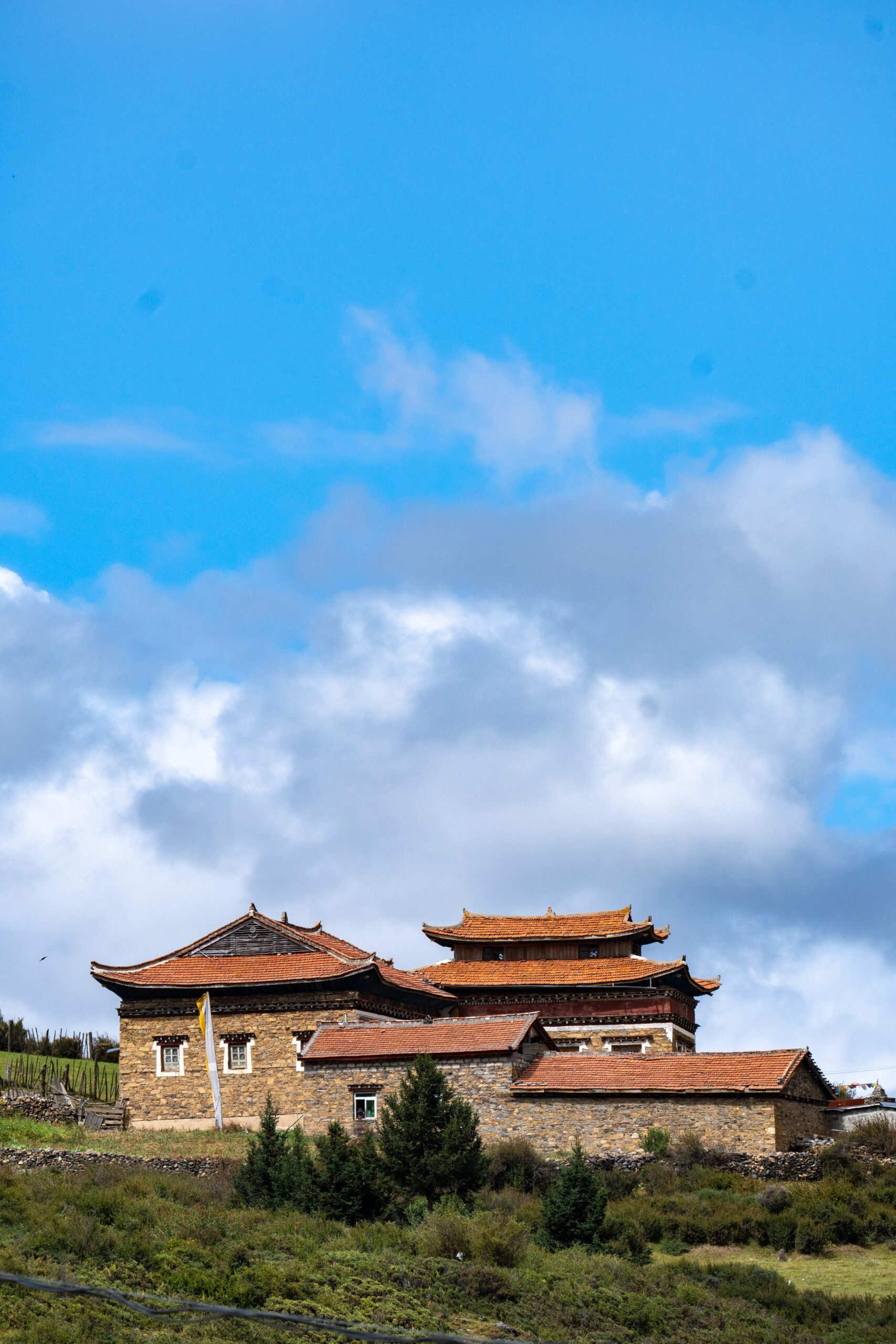
Nature & Scenery through Chinese landscapes, gardens, rivers, and seasons.
Mountains, rivers, gardens, old towns, seasonal color, and the visual language of Chinese landscapes.
Quick reading frame
Use these cues before opening individual topic pages so the hub feels like a connected atlas, not a loose blog category.
Reader job: understand Nature & Scenery without flattening it
This hub helps readers recognize visible details, avoid common assumptions, and choose the next page that explains nature & scenery through real Chinese scenes.
| Reader question | What this hub adds | Best next step |
|---|---|---|
| What should I notice first? | Mountains, rivers, gardens, old towns, seasonal color, and the visual language of Chinese landscapes. | Open one visual topic page and look for concrete details before reading background. |
| How does this connect to place? | Cities act as containers for objects, taste, street rhythm, landscape, craft, and memory. | Pair this hub with a city page instead of reading it as an isolated theme. |
| What should I not assume? | A single object, dish, or scene rarely represents all of China; region and context matter. | Compare at least two pages or cities before forming a general rule. |
Common mistakes
- Treating a visual detail as decoration instead of a clue to place, era, material, or daily use.
- Using one city or one food example to explain the whole country.
- Skipping the practical scene: who uses it, where it appears, and what changes by region.
Related entities to connect
Cities, regional food, craft materials, festivals, architecture, objects, color, landscape language, and everyday habits.
Nature & Scenery visual directory
Use these cards to understand the theme through visible scenes, terms, places, and related topic pages.
Landscape type
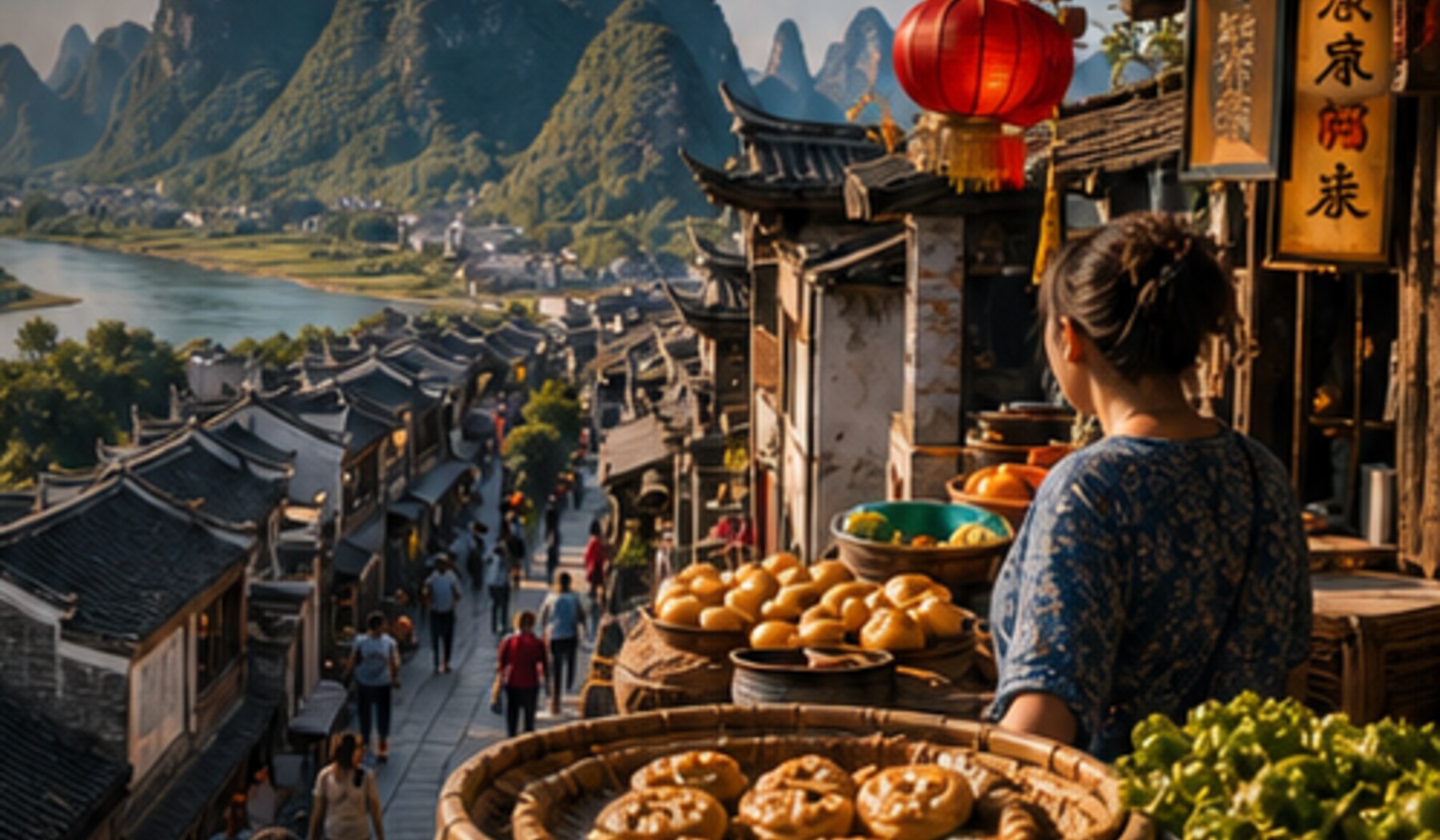
Mountains
Layered peaks, mist, scale, stone paths, and the mountain-water imagination.
 Landscape type
Rivers & Lakes
Boats, reflections, banks, bridges, and the slower rhythm of water scenes.
Landscape type
Rivers & Lakes
Boats, reflections, banks, bridges, and the slower rhythm of water scenes.
 Spatial language
Gardens
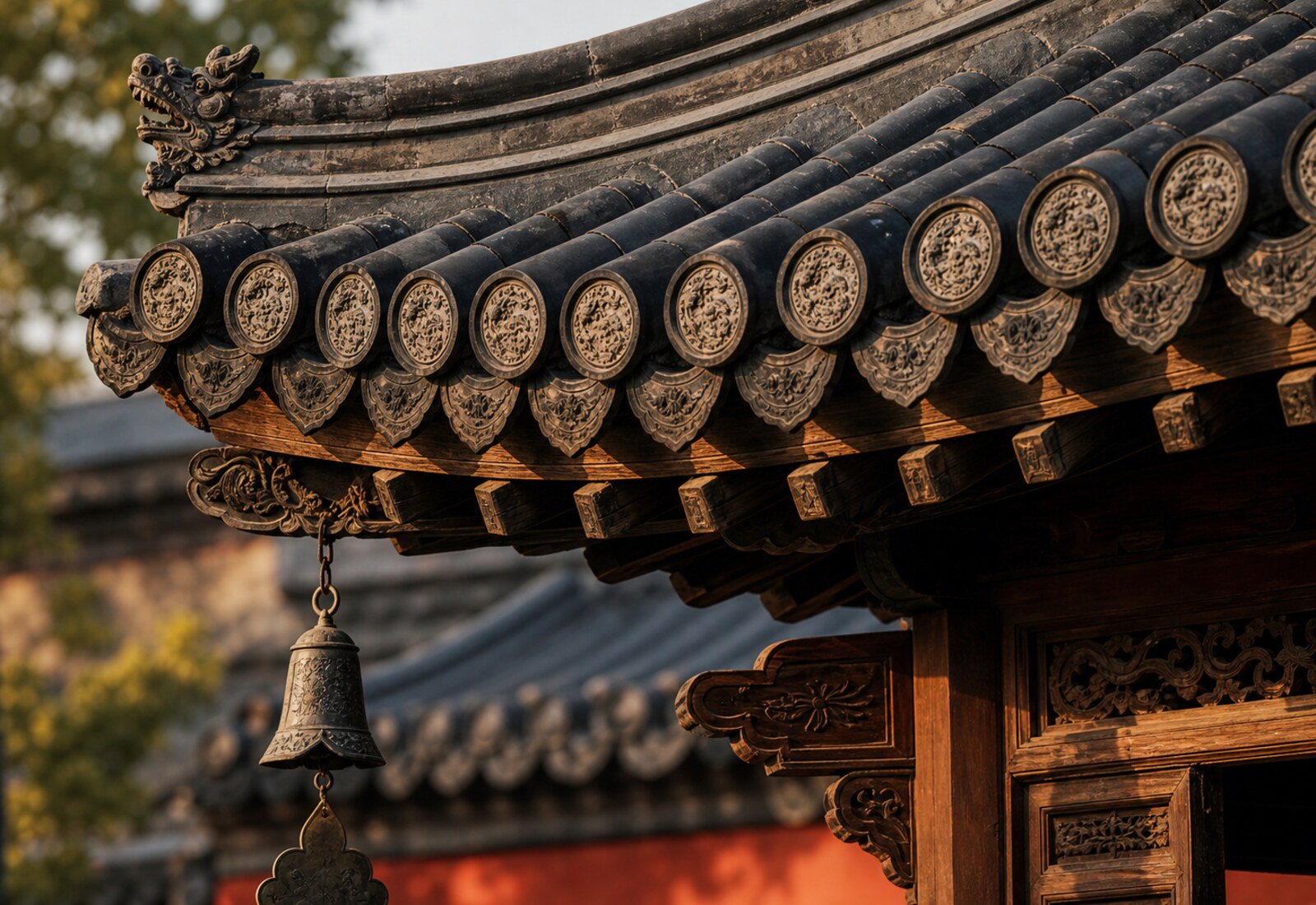
Framed views, stones, water, corridors, plants, and quiet composition.
Spatial language
Gardens
Framed views, stones, water, corridors, plants, and quiet composition.
 Visual rhythm
Seasons
Spring blossom, summer shade, autumn color, winter snow, and festival weather.
Visual rhythm
Seasons
Spring blossom, summer shade, autumn color, winter snow, and festival weather.
Places connected to this theme
Cities and regions act as containers for food, objects, scenery, craft, architecture, and daily rhythm.
 Guilin
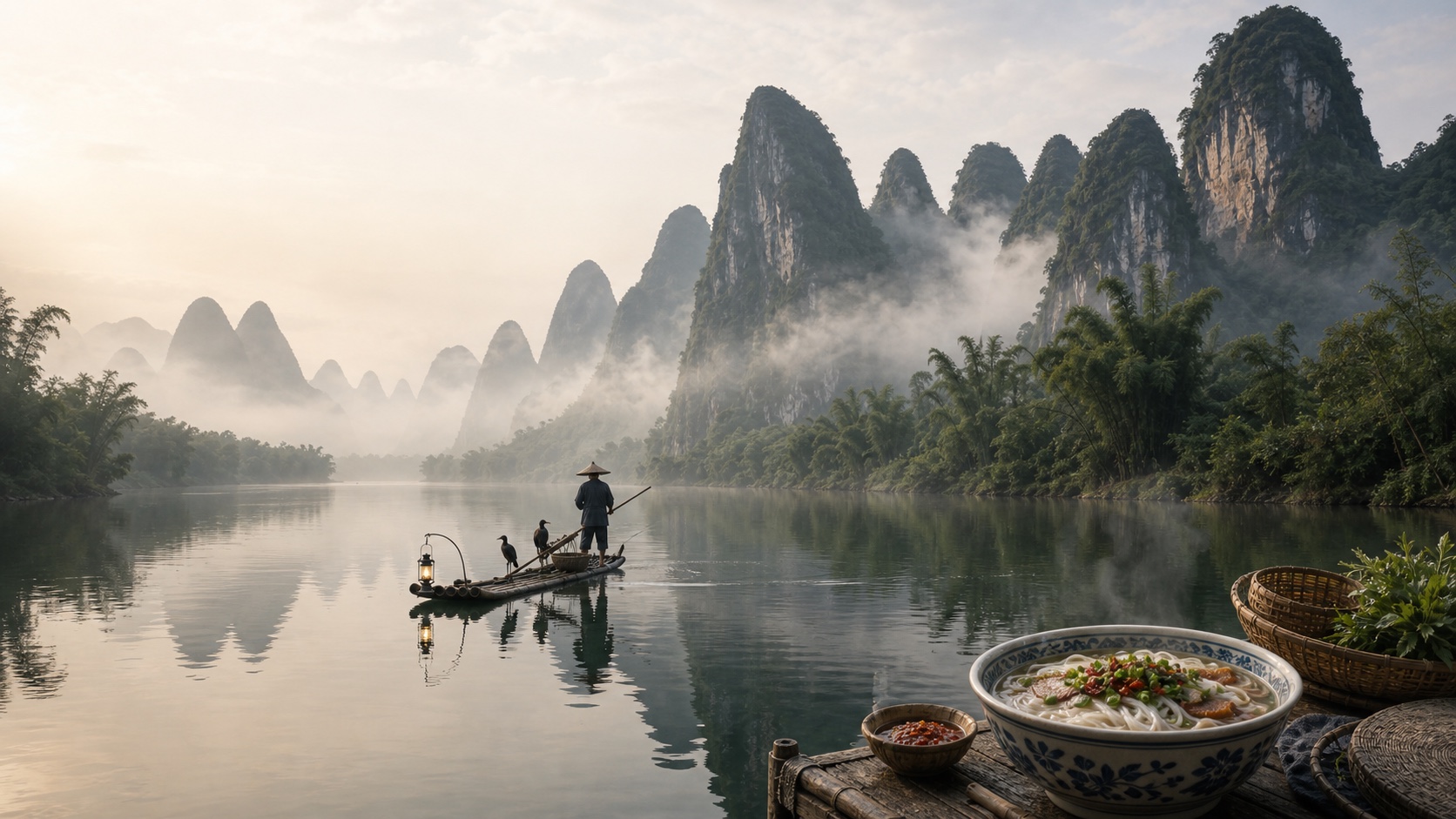
A cultural setting for Nature & Scenery: local food, objects, architecture, streets, and daily rhythm.
Guilin
A cultural setting for Nature & Scenery: local food, objects, architecture, streets, and daily rhythm.
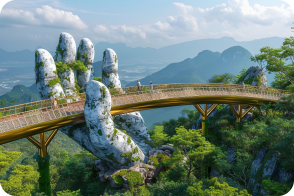
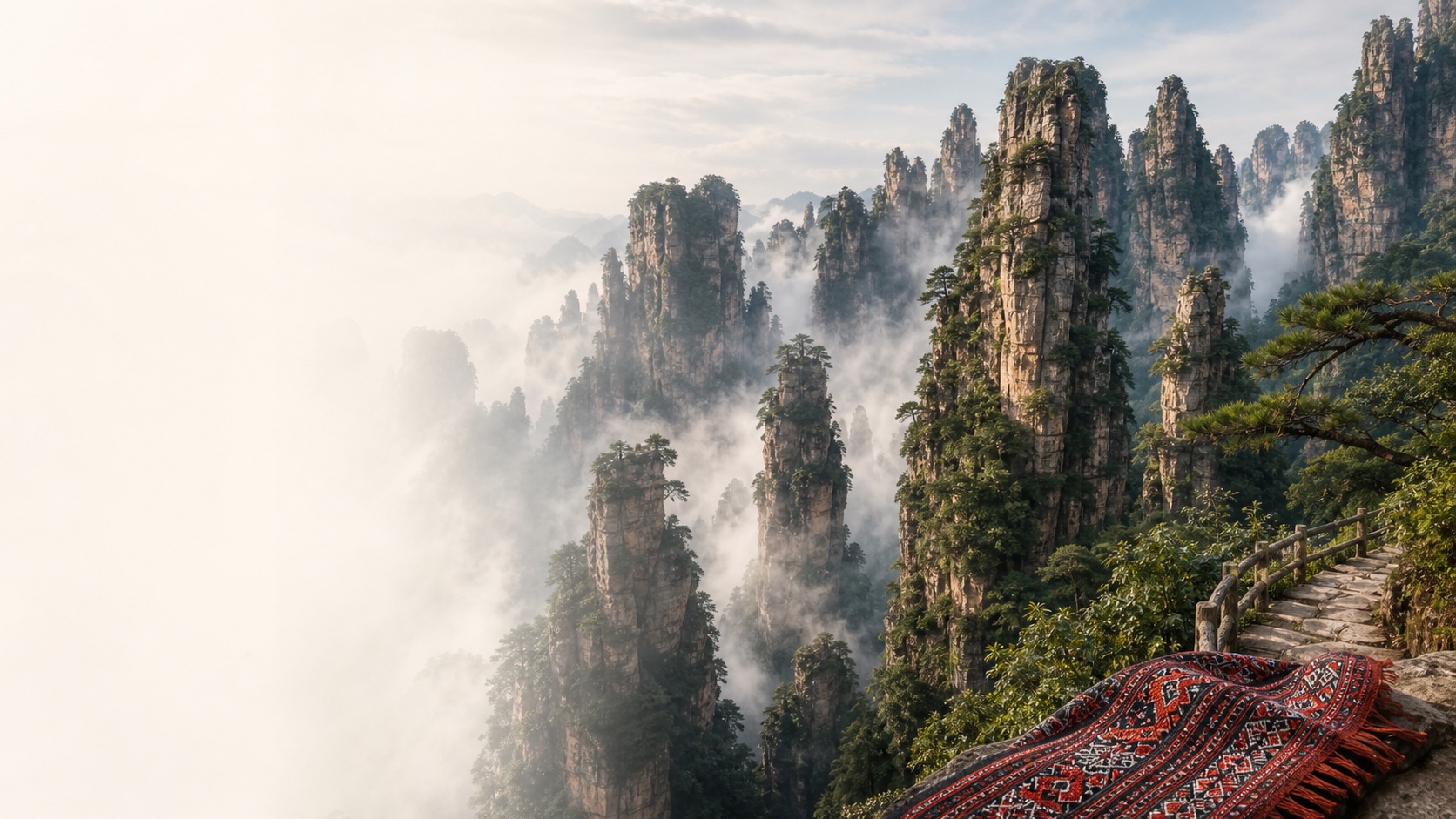 Zhangjiajie
A cultural setting for Nature & Scenery: local food, objects, architecture, streets, and daily rhythm.
Zhangjiajie
A cultural setting for Nature & Scenery: local food, objects, architecture, streets, and daily rhythm.
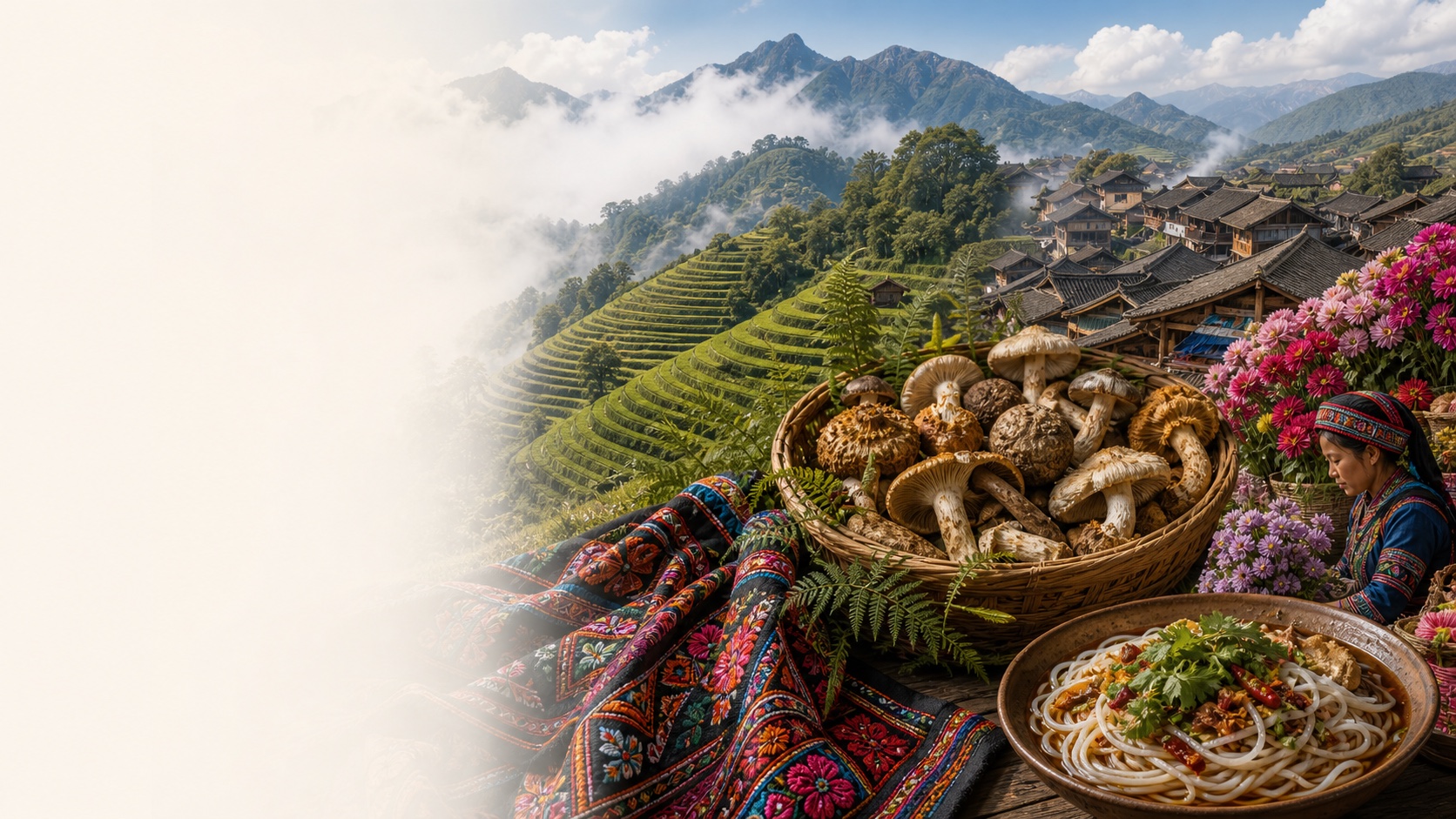 Yunnan
A cultural setting for Nature & Scenery: local food, objects, architecture, streets, and daily rhythm.
Yunnan
A cultural setting for Nature & Scenery: local food, objects, architecture, streets, and daily rhythm.
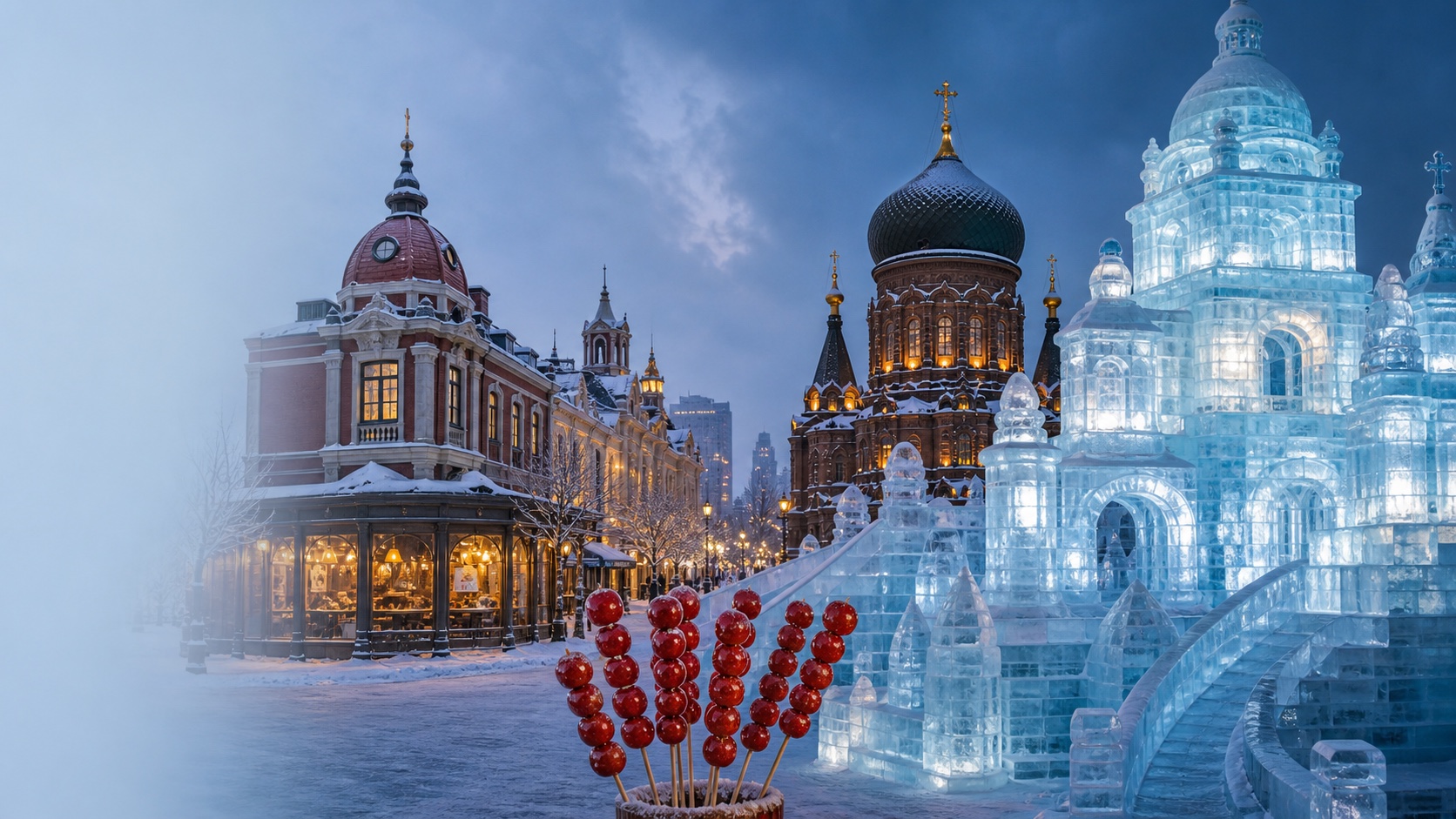 Harbin
A cultural setting for Nature & Scenery: local food, objects, architecture, streets, and daily rhythm.
Harbin
A cultural setting for Nature & Scenery: local food, objects, architecture, streets, and daily rhythm.
Latest Nature & Scenery stories
All stories