-e1742971339568.png)
Food & Tea
Chinese Ingredients: soy, vinegar, aromatics, sauces, grains, and regional flavor bases.
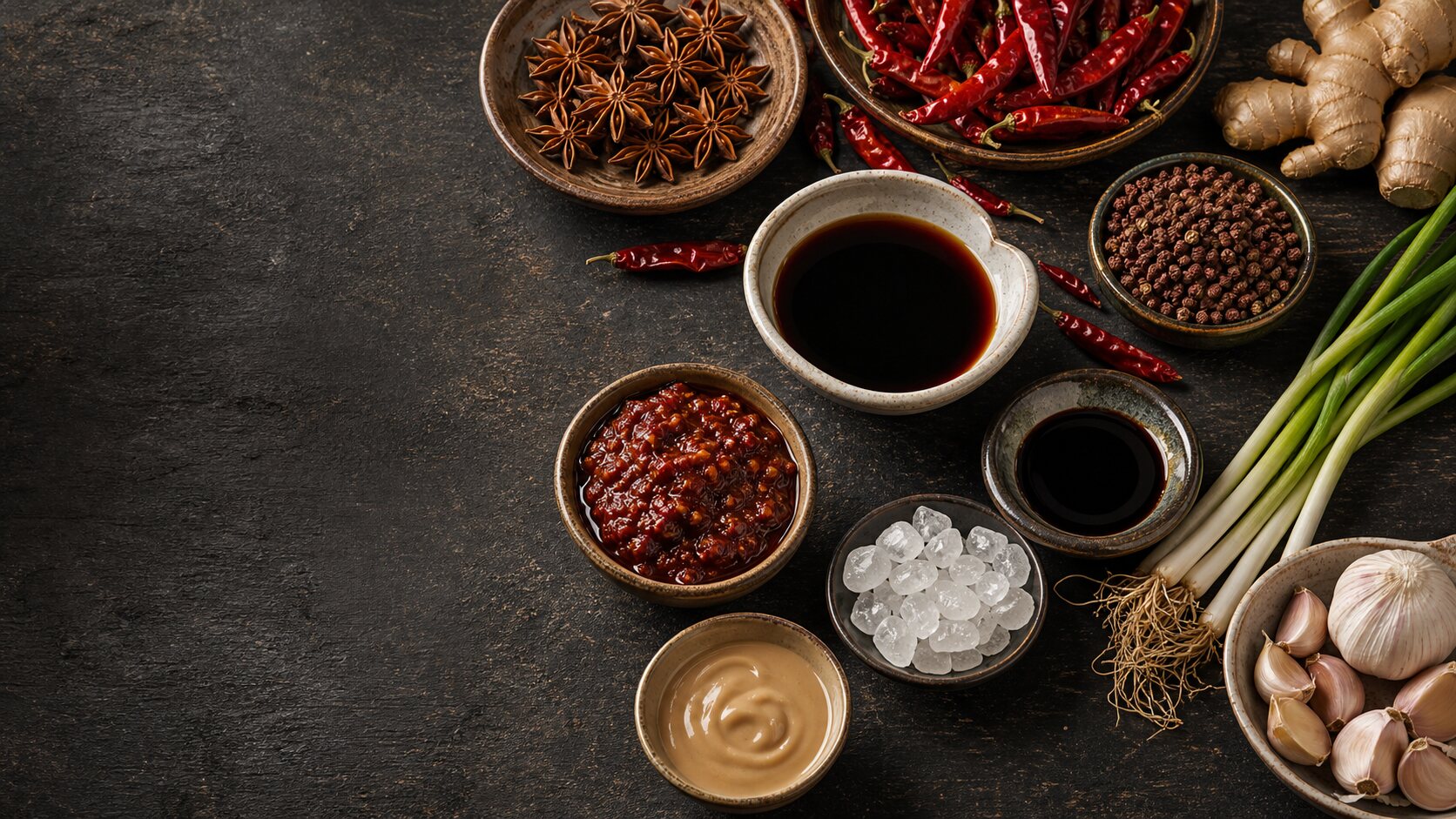
Chinese cooking becomes easier to understand when the pantry is visible: soy sauce, vinegar, doubanjiang, sesame, ginger, scallion, rice, wheat, tofu, and pickles.
Aromatics
Ginger, scallion, garlic, chili, and spices build the first smell of a dish.
Ferments
Soy sauce, doubanjiang, black beans, pickles, and vinegar create depth.
Spices
Star anise, dried chili, cassia, fennel, and peppercorn shape regional signatures.
Heat
Heat can mean chili burn, peppercorn buzz, ginger warmth, or oil aroma.
Texture
Crunch, chew, silkiness, crispness, and broth body are part of flavor.
Pantry-style explainer that supports food pages without competing as a recipe site.
Chinese cooking becomes easier to understand when the pantry is visible: soy sauce, vinegar, doubanjiang, sesame, ginger, scallion, rice, wheat, tofu, and pickles.
Chinese discussions often focus on why one regional flavor tastes different even when familiar ingredients are present.
Visual vocabulary
These are the visible clues the page should teach first, so the topic feels inspectable rather than abstract.
Chinese Ingredients in four answers
A concise answer layer for readers and generative search systems before the deeper visual notes.
How to read it
Use these entry points to understand the object, food, or tradition as culture rather than as a disconnected fact.
Pantry as map
A few sauces and aromatics can point toward a region before the dish is named.
Fermentation and depth
Fermented sauces, beans, pickles, and vinegars add layers that simple sweet-salty labels miss.
Staple logic
Rice, wheat, noodles, buns, and grains shape the rhythm of meals by climate and region.
What to notice
Ingredients are cultural context, not only recipe inputs.
Fermentation often carries the deepest flavor memory.
Texture and aroma can matter as much as seasoning.
Related places
City pages act as cultural containers, connecting this topic to places, scenes, and local rhythm.
 Chengdu
A place context for Chinese Ingredients: streets, food, objects, architecture, and local rhythm.
Chengdu
A place context for Chinese Ingredients: streets, food, objects, architecture, and local rhythm.
 Guangzhou
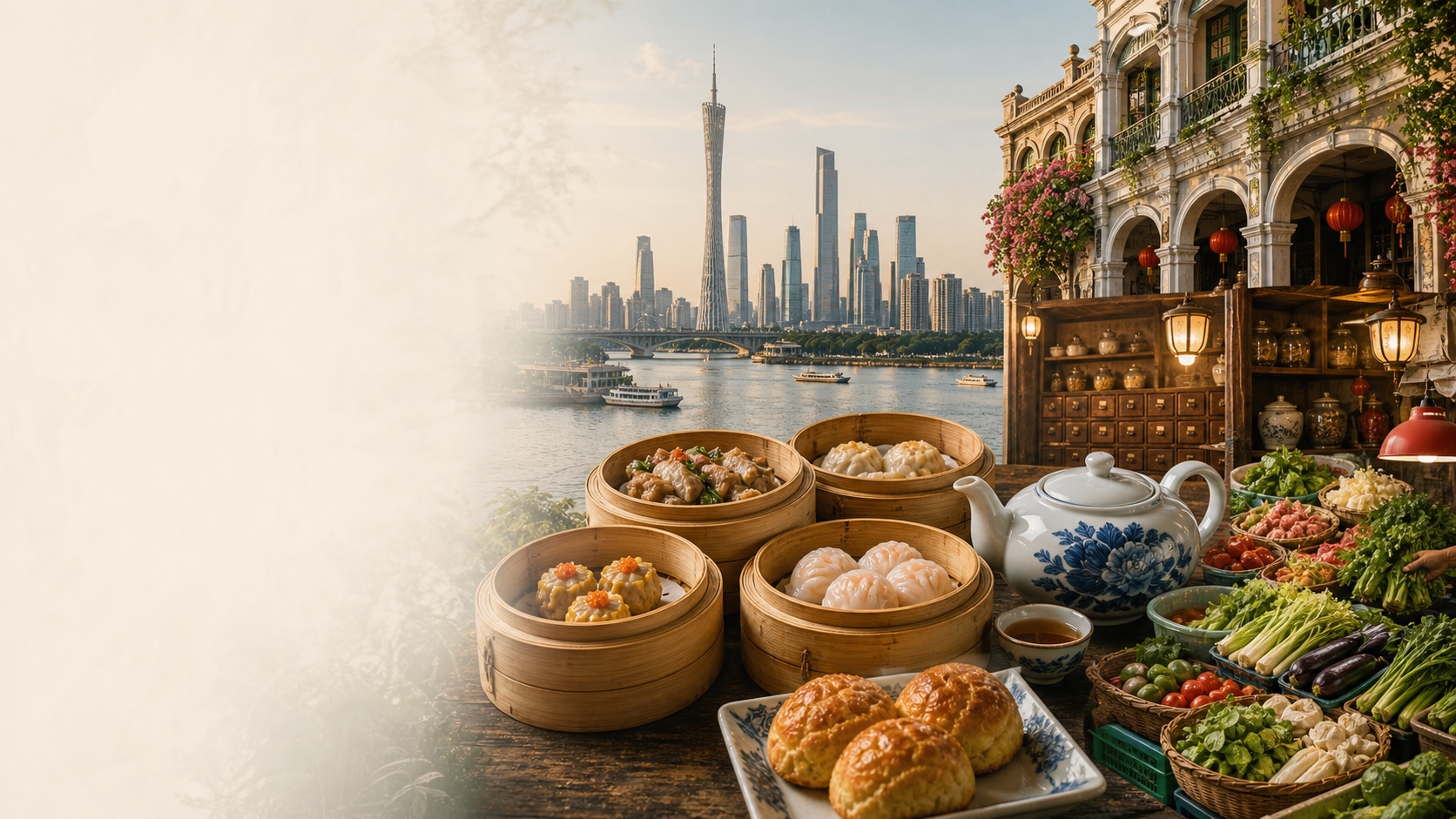
A place context for Chinese Ingredients: streets, food, objects, architecture, and local rhythm.
Guangzhou
A place context for Chinese Ingredients: streets, food, objects, architecture, and local rhythm.
 Yunnan
A place context for Chinese Ingredients: streets, food, objects, architecture, and local rhythm.
Yunnan
A place context for Chinese Ingredients: streets, food, objects, architecture, and local rhythm.
Continue with
Adjacent pages keep the reader moving through the content atlas instead of returning to a generic blog list.
Related stories from the library
All stories


Common questions
What ingredients define Chinese cooking?
There is no single list, but soy sauce, vinegar, ginger, scallion, garlic, rice, wheat, tofu, chili, fermented sauces, sesame, and regional aromatics are common foundations.
Why do regional Chinese foods taste so different?
Staple grains, climate, preservation methods, local sauces, aromatics, migration, and cooking techniques create distinct regional flavor systems.