-e1742971339568.png)
Food & Tea
Chinese Tea Culture: hospitality, taste, vessels, and daily rhythm.
Chinese tea culture ranges from everyday cups to focused tasting. It connects hospitality, region, vessel, mood, conversation, and the pace of a day.
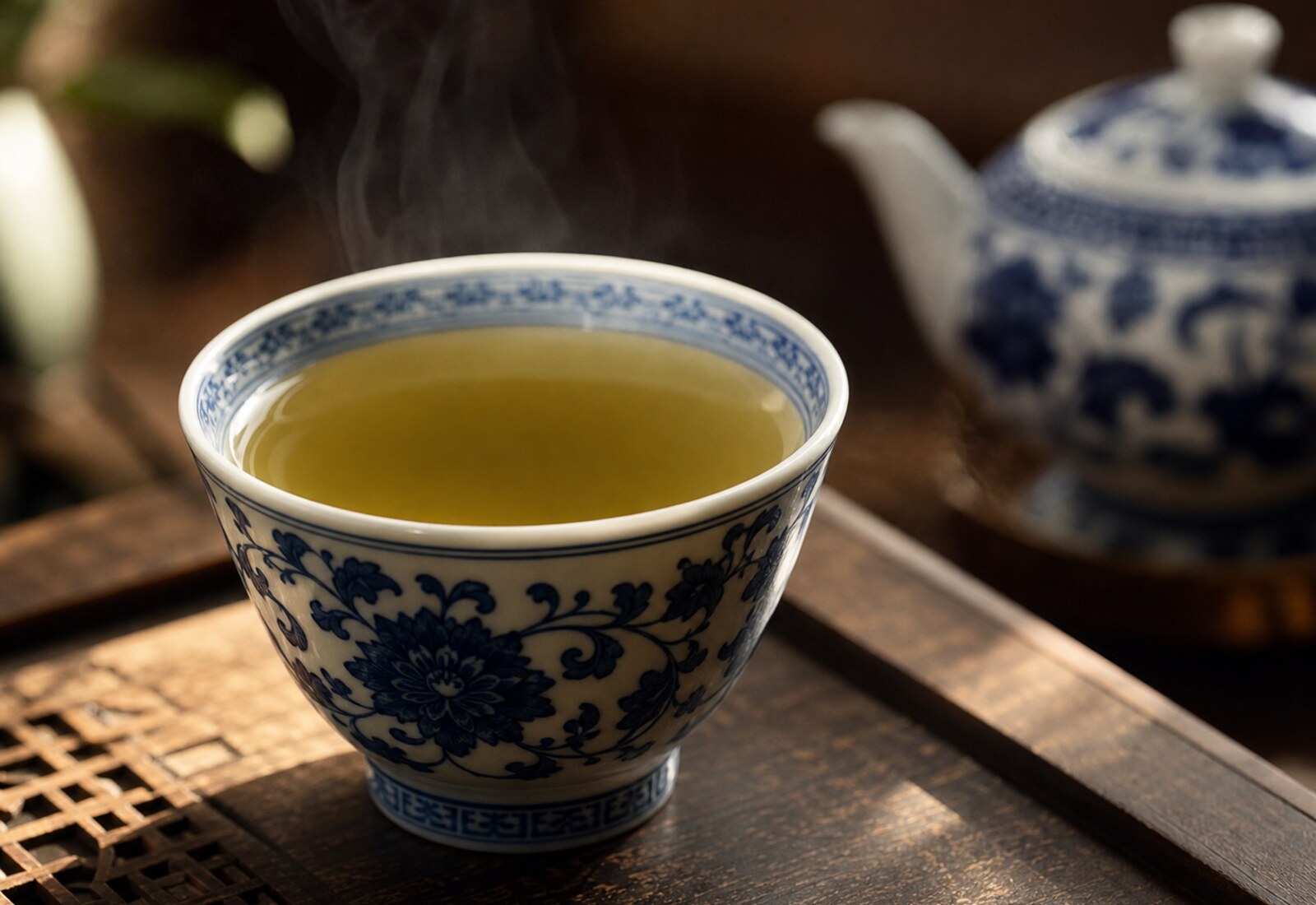
Gaiwan
A covered bowl that shows control, aroma, and hand movement.
Yixing pot
Clay vessel shaped by tea memory, heat, and repeated use.
Serving cup
A fairness vessel that equalizes concentration before sharing.
Tea tray
A working surface for rinsing, pouring, warming, and arranging tools.
Gesture
Receiving, pouring, thanking, and sharing are part of the culture.
Chinese tea culture as living practice, not just a list of tea types.
Chinese tea culture ranges from everyday cups to focused tasting. It connects hospitality, region, vessel, mood, conversation, and the pace of a day.
Chinese questions ask why tea is considered culture and what actually belongs inside tea culture beyond drinking tea.
Visual vocabulary
These are the visible clues the page should teach first, so the topic feels inspectable rather than abstract.
Chinese Tea Culture in four answers
A concise answer layer for readers and generative search systems before the deeper visual notes.
How to read it
Use these entry points to understand the object, food, or tradition as culture rather than as a disconnected fact.
Hospitality in a cup
Serving tea often creates a gentle social opening before conversation deepens.
Region and leaf
Tea types are tied to mountains, climate, processing, trade, and local taste.
Vessels shape attention
Gaiwan, pot, cup, tray, and kettle change how tea is prepared and perceived.
What to notice
Tea culture is not one fixed ceremony.
A casual cup can still be culturally rich.
Vessel choice often reveals the tea-drinking context.
Related places
City pages act as cultural containers, connecting this topic to places, scenes, and local rhythm.
 Chengdu
A place context for Chinese Tea Culture: streets, food, objects, architecture, and local rhythm.
Chengdu
A place context for Chinese Tea Culture: streets, food, objects, architecture, and local rhythm.
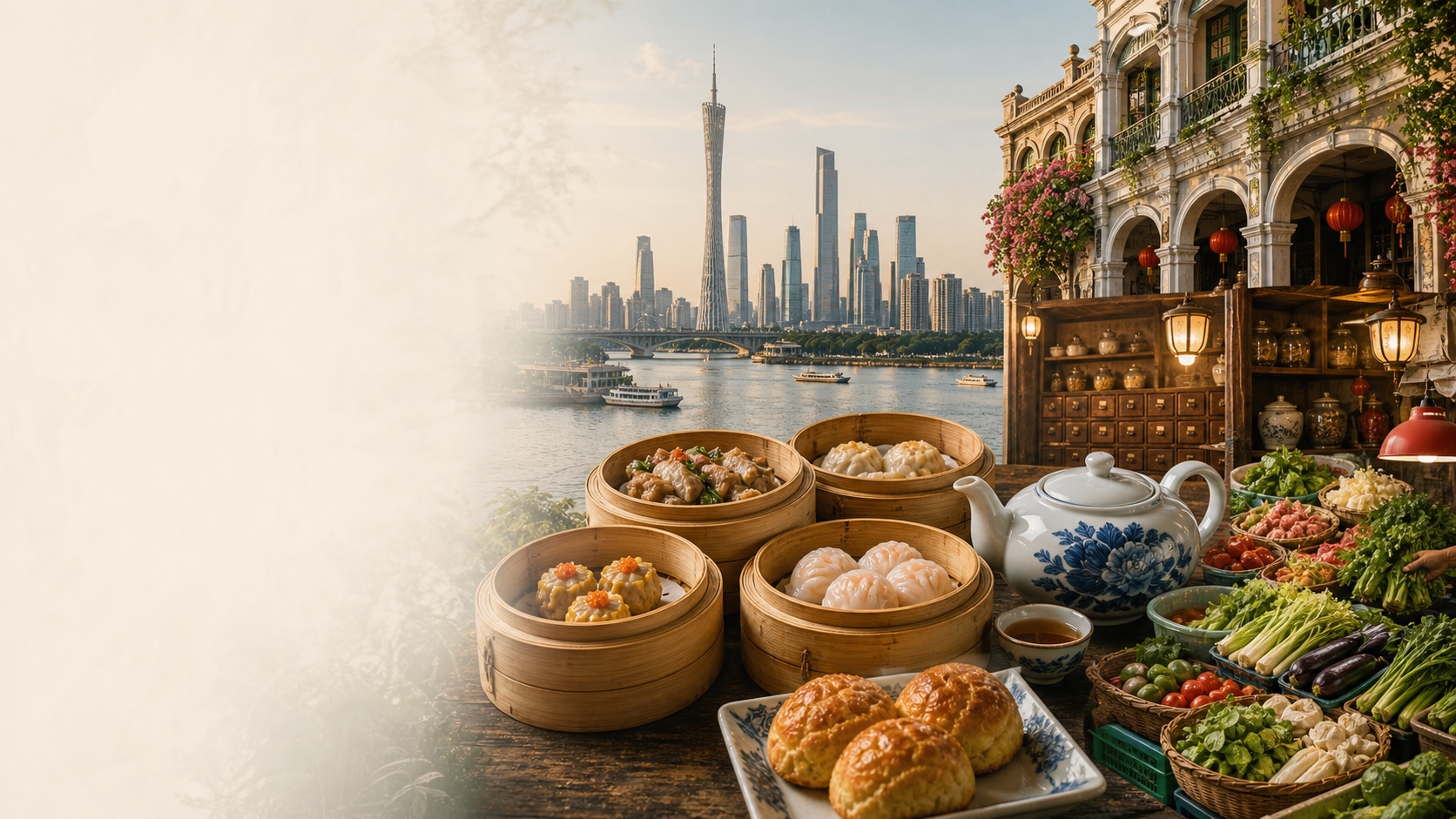 Guangzhou
A place context for Chinese Tea Culture: streets, food, objects, architecture, and local rhythm.
Guangzhou
A place context for Chinese Tea Culture: streets, food, objects, architecture, and local rhythm.
 Shanghai
A place context for Chinese Tea Culture: streets, food, objects, architecture, and local rhythm.
Shanghai
A place context for Chinese Tea Culture: streets, food, objects, architecture, and local rhythm.
Continue with
Adjacent pages keep the reader moving through the content atlas instead of returning to a generic blog list.
Related stories from the library
All stories


Common questions
Why is tea important in Chinese culture?
Tea connects hospitality, daily rhythm, regional identity, taste, social life, and long craft traditions.
Is Chinese tea culture only about gongfu tea?
No. Gongfu tea is one important method, but everyday tea, teahouses, gifts, regional habits, and restaurant tea also matter.