-e1742971339568.png)
Food & Tea
Food & Tea as regional memory, taste, and everyday culture.
Chinese tea, regional cuisines, street food, breakfast habits, ingredients, and the culture carried by flavor.
Quick reading frame
Use these cues before opening individual topic pages so the hub feels like a connected atlas, not a loose blog category.
Reader job: understand Food & Tea without flattening it
This hub helps readers recognize visible details, avoid common assumptions, and choose the next page that explains food & tea through real Chinese scenes.
| Reader question | What this hub adds | Best next step |
|---|---|---|
| What should I notice first? | Chinese tea, regional cuisines, street food, breakfast habits, ingredients, and the culture carried by flavor. | Open one visual topic page and look for concrete details before reading background. |
| How does this connect to place? | Cities act as containers for objects, taste, street rhythm, landscape, craft, and memory. | Pair this hub with a city page instead of reading it as an isolated theme. |
| What should I not assume? | A single object, dish, or scene rarely represents all of China; region and context matter. | Compare at least two pages or cities before forming a general rule. |
Common mistakes
- Treating a visual detail as decoration instead of a clue to place, era, material, or daily use.
- Using one city or one food example to explain the whole country.
- Skipping the practical scene: who uses it, where it appears, and what changes by region.
Related entities to connect
Cities, regional food, craft materials, festivals, architecture, objects, color, landscape language, and everyday habits.
Food & Tea visual directory
Use these cards to understand the theme through visible scenes, terms, places, and related topic pages.
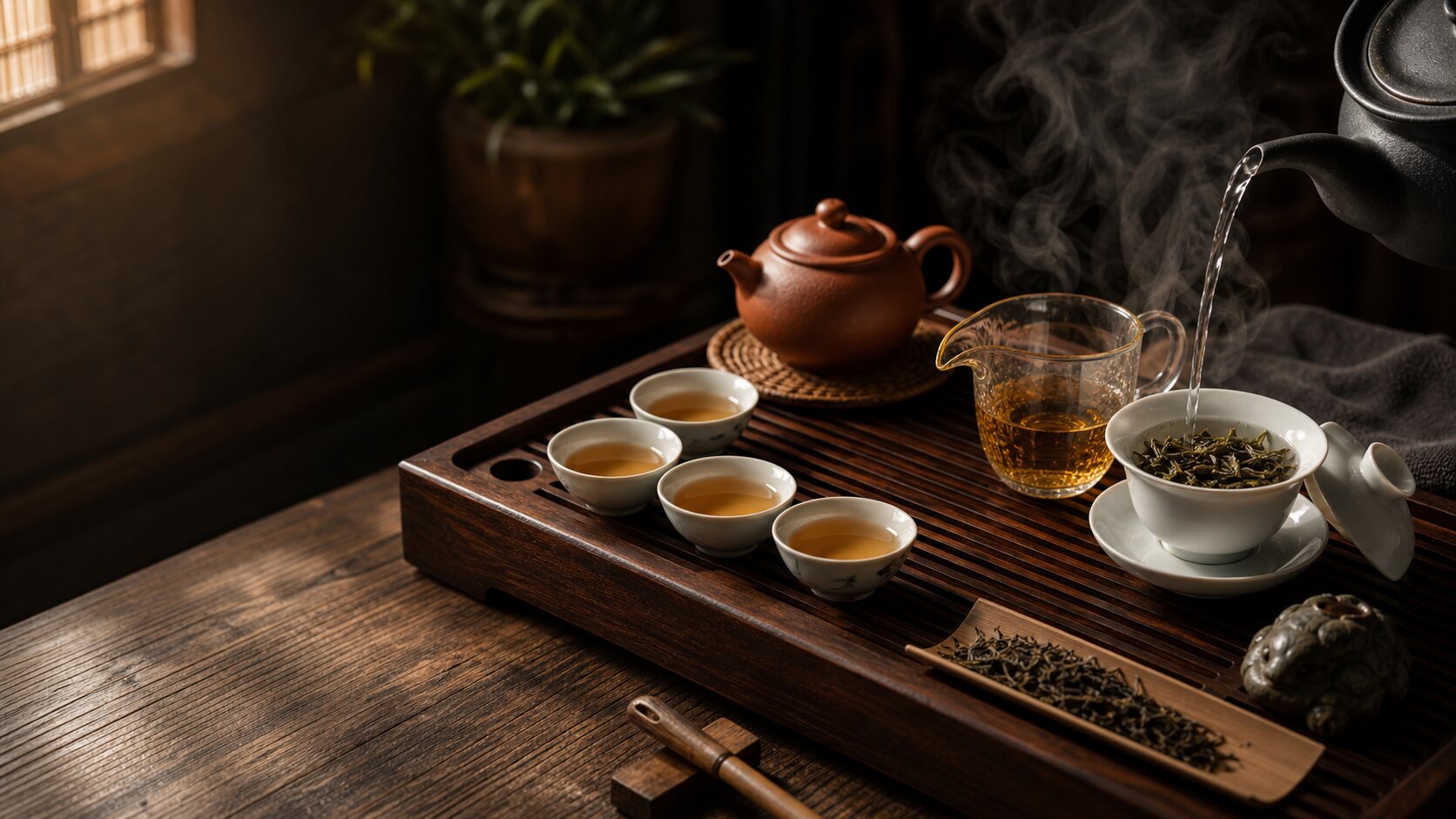 Gongfu Tea
Gongfu tea is a way of brewing with attention: more leaf, less water, short infusions, small vessels, and repeated tasting.
Gongfu Tea
Gongfu tea is a way of brewing with attention: more leaf, less water, short infusions, small vessels, and repeated tasting.
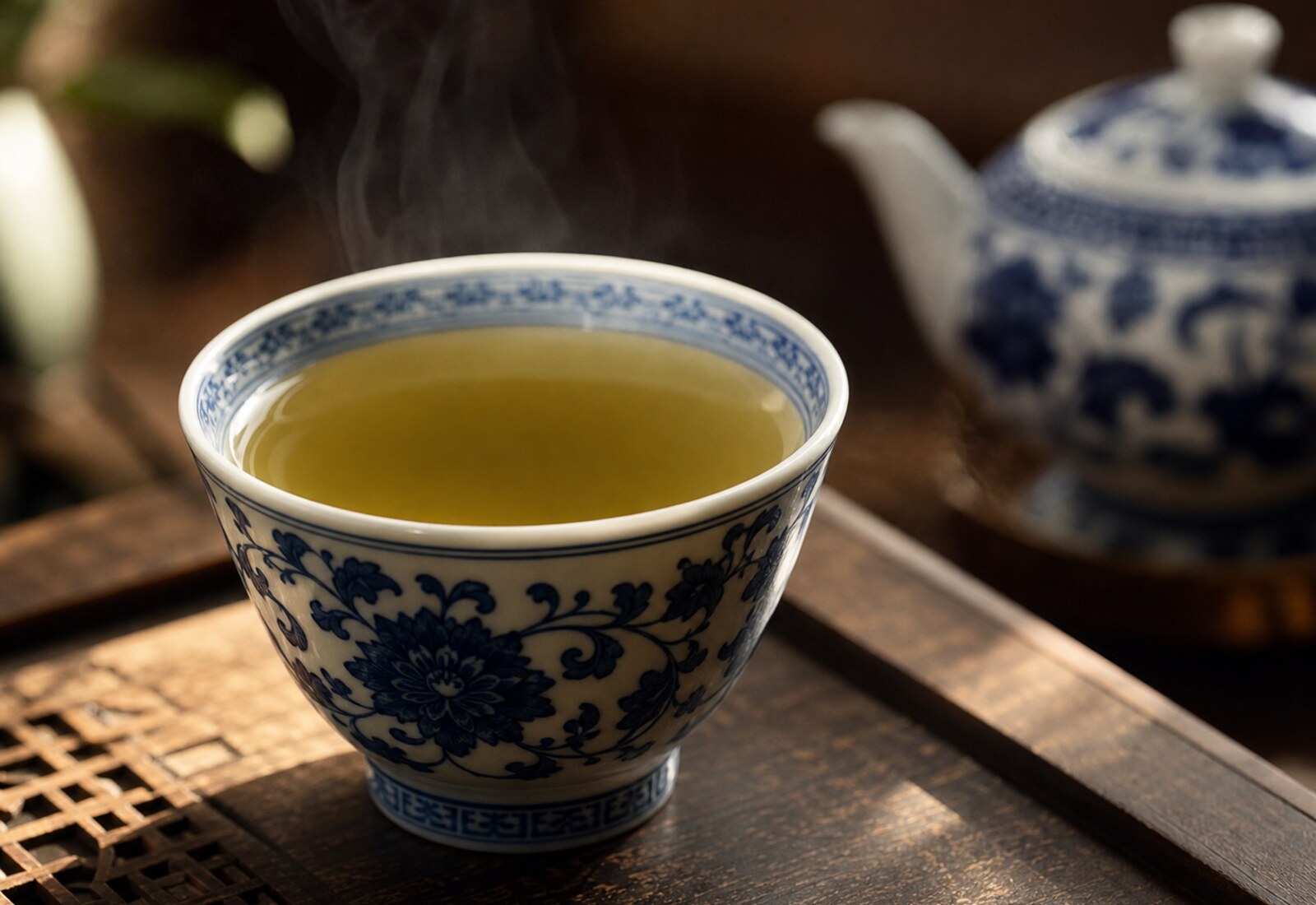 Chinese Tea Culture
Chinese tea culture ranges from everyday cups to focused tasting. It connects hospitality, region, vessel, mood, conversation, and the pace of a day.
Chinese Tea Culture
Chinese tea culture ranges from everyday cups to focused tasting. It connects hospitality, region, vessel, mood, conversation, and the pace of a day.
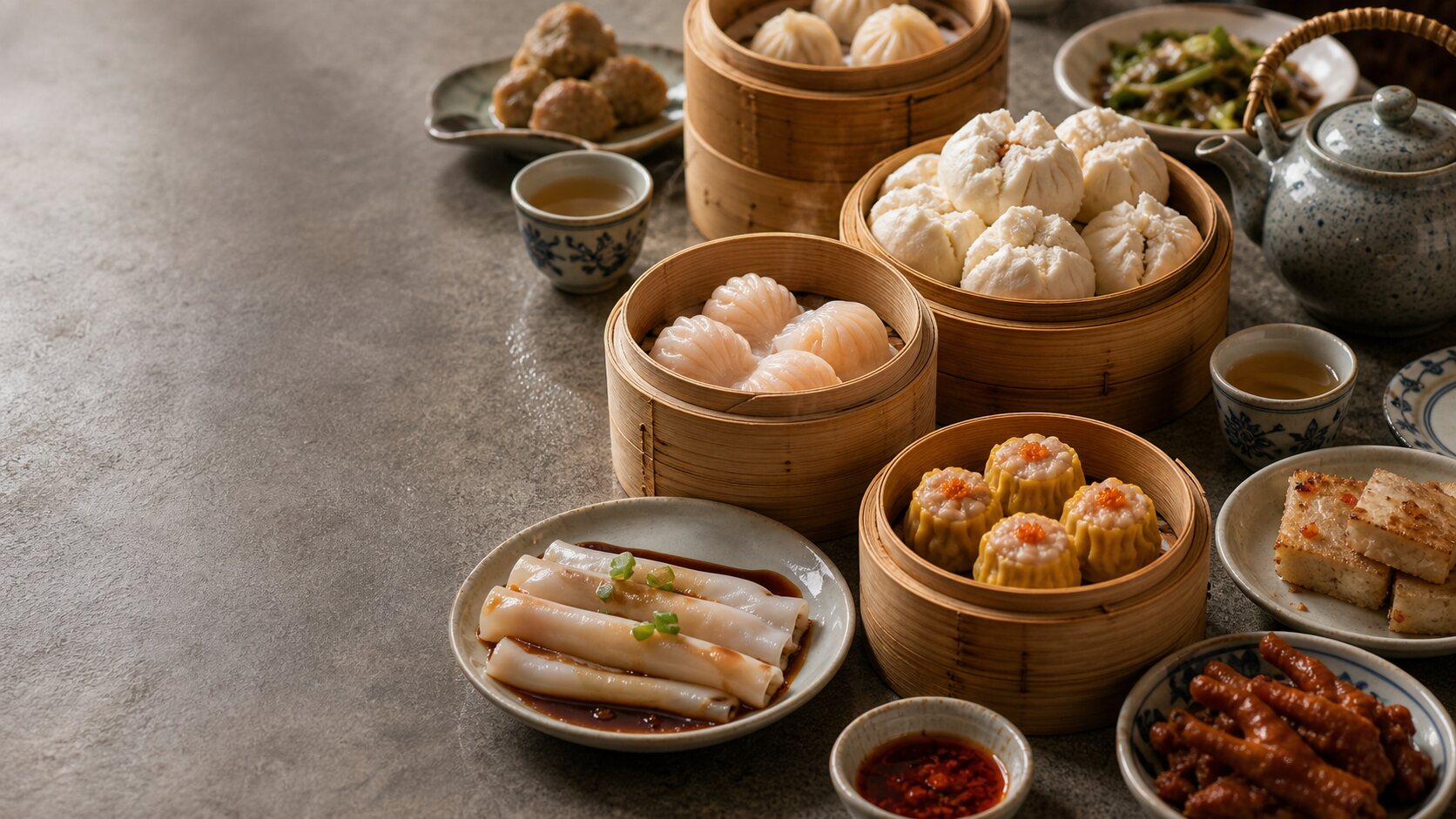 Dim Sum and Yum Cha
Dim sum makes food social at small scale. Yum cha ties the meal to tea, timing, family tables, and Cantonese urban rhythm.
Dim Sum and Yum Cha
Dim sum makes food social at small scale. Yum cha ties the meal to tea, timing, family tables, and Cantonese urban rhythm.
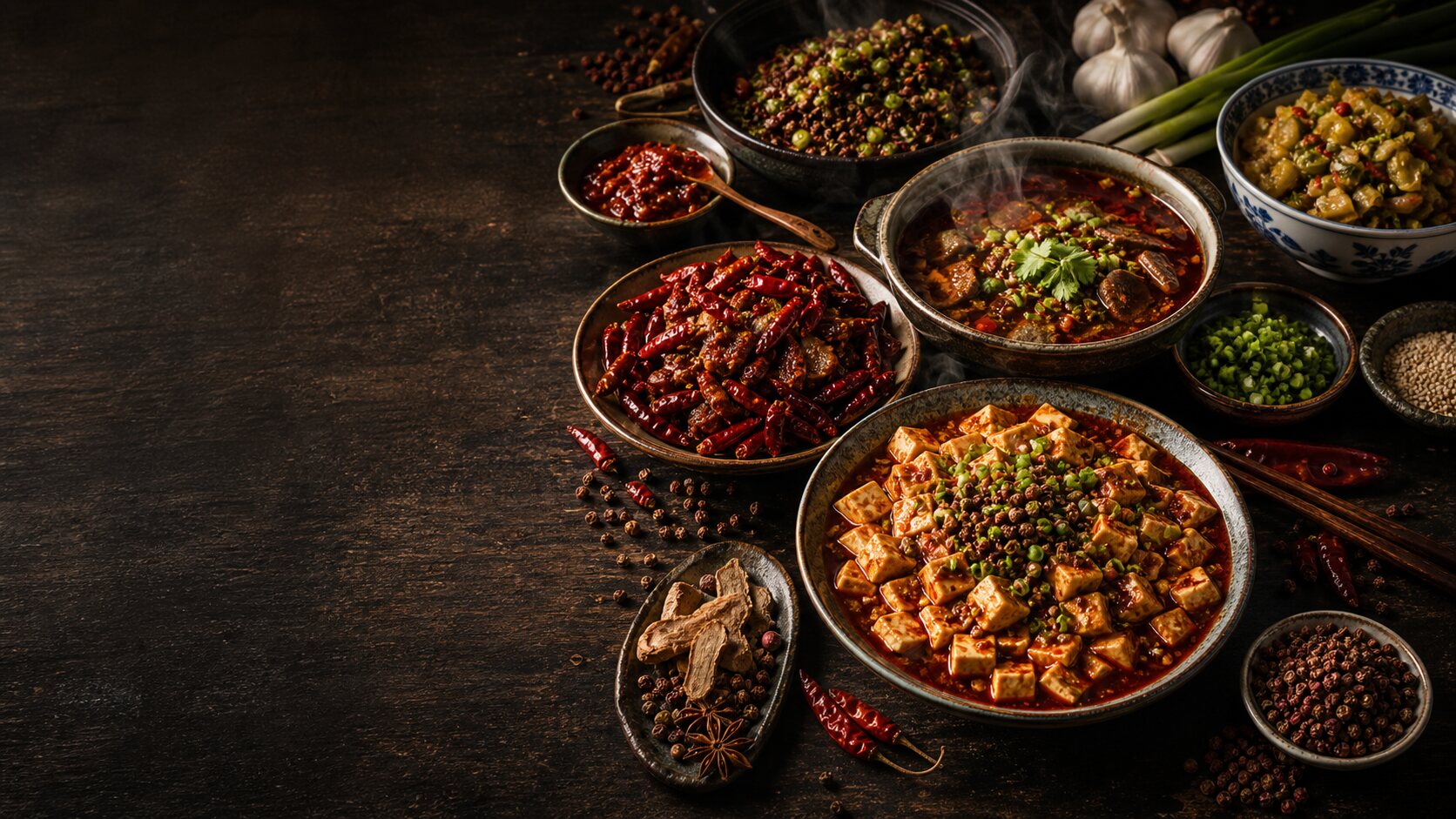 Sichuan Food
Sichuan food is famous for heat, but its deeper signature is layered flavor: numbing peppercorn, chili, fermented bean paste, aromatics, pickles, and balance.
Sichuan Food
Sichuan food is famous for heat, but its deeper signature is layered flavor: numbing peppercorn, chili, fermented bean paste, aromatics, pickles, and balance.
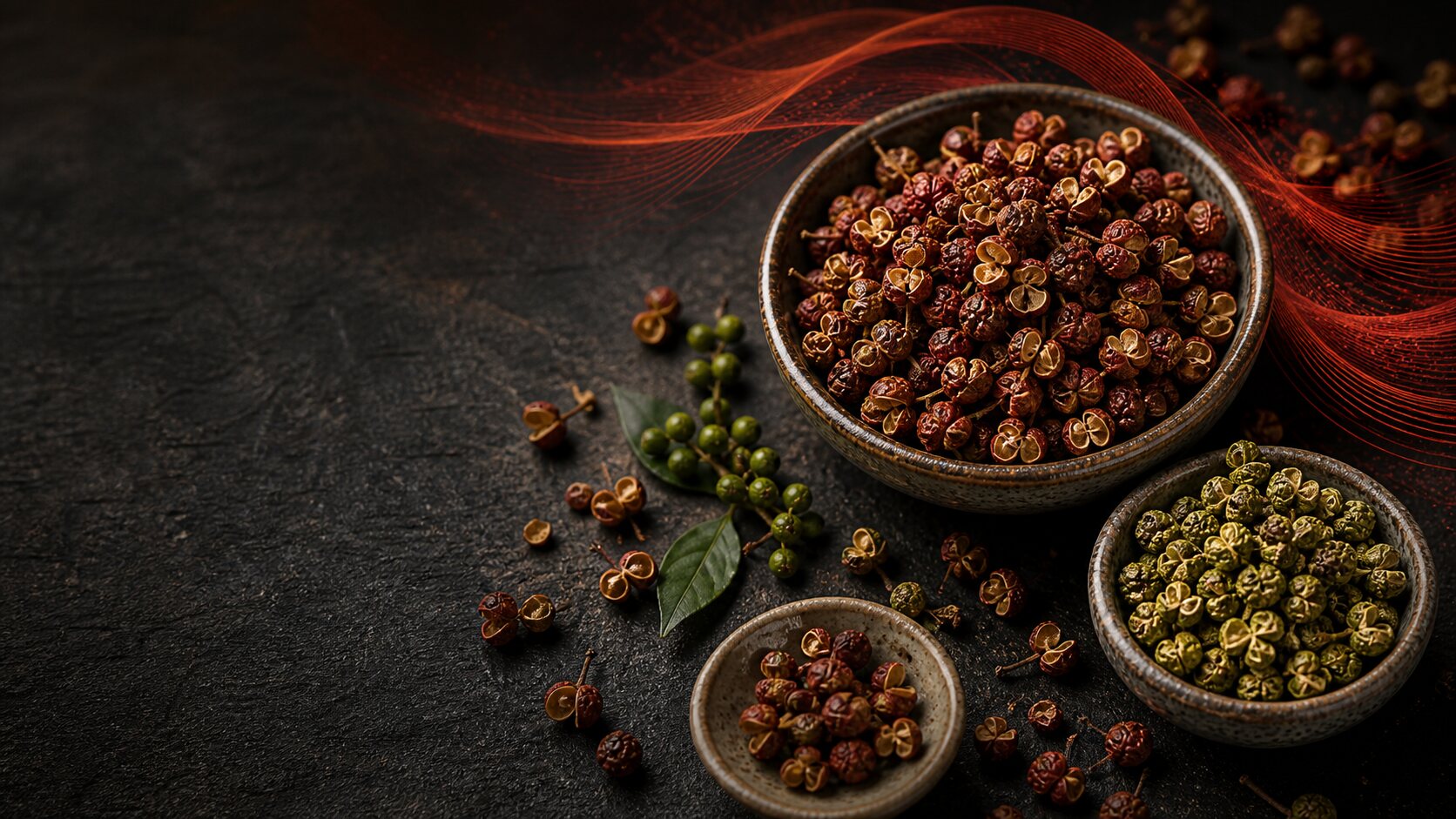 Sichuan Peppercorn
Sichuan peppercorn is not ordinary pepper. It creates a citrusy, buzzing, numbing sensation that changes how chili, oil, and aroma behave.
Sichuan Peppercorn
Sichuan peppercorn is not ordinary pepper. It creates a citrusy, buzzing, numbing sensation that changes how chili, oil, and aroma behave.
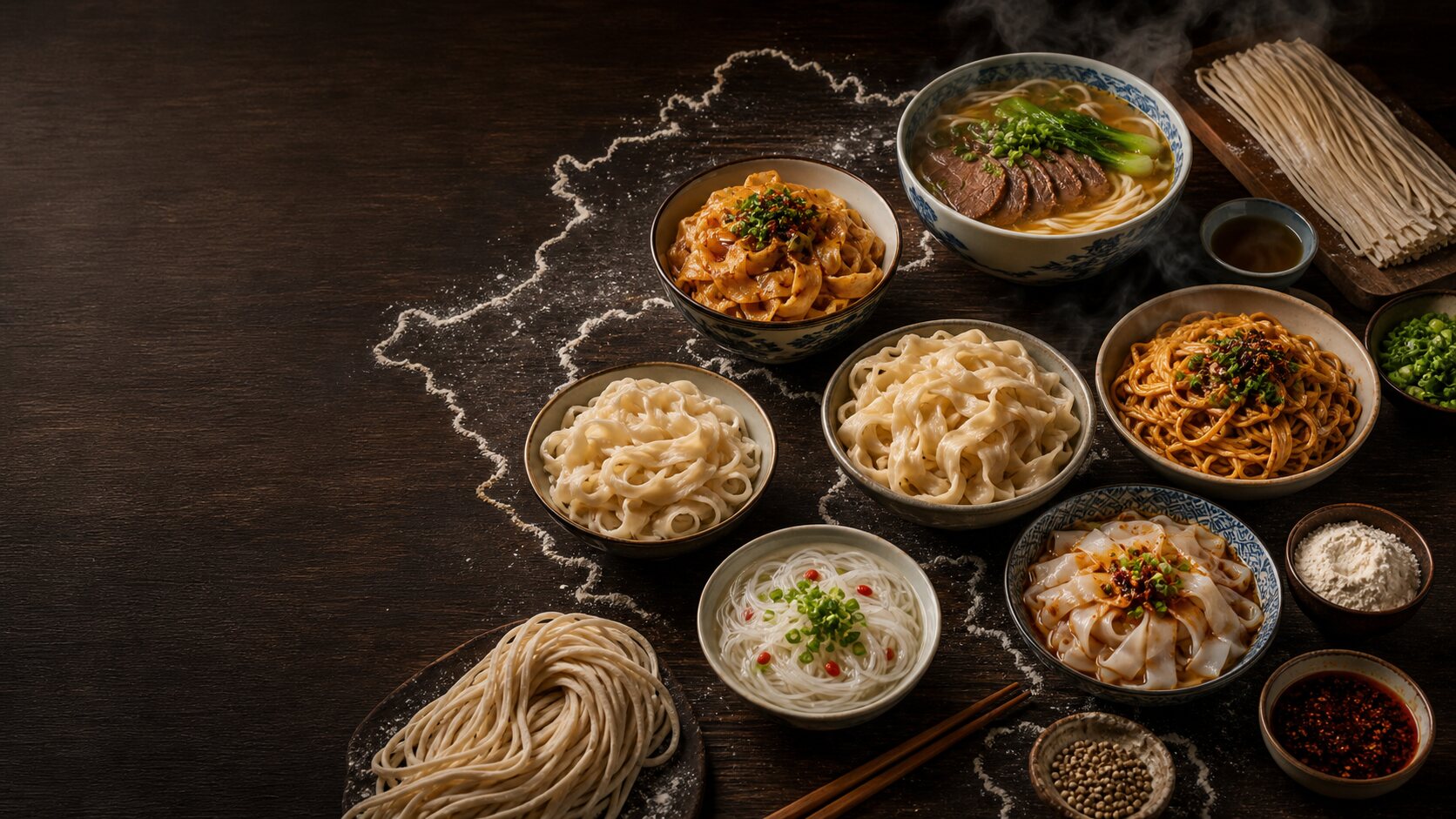 Chinese Noodles
Chinese noodles are not one dish. They are a family of textures, grains, regions, broths, sauces, toppings, and making methods.
Chinese Noodles
Chinese noodles are not one dish. They are a family of textures, grains, regions, broths, sauces, toppings, and making methods.
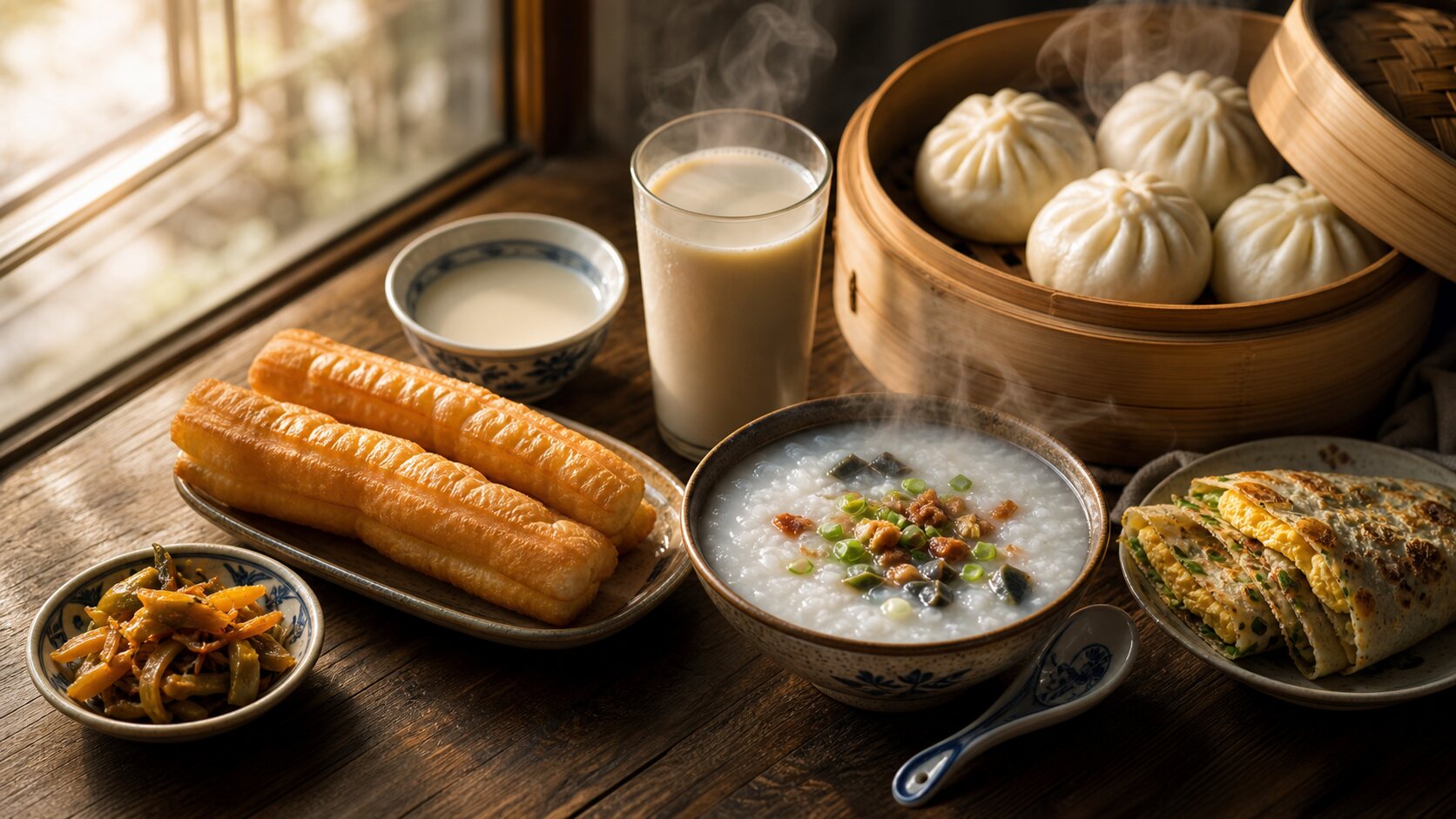 Chinese Breakfast
Chinese breakfast changes by region and pace: soy milk and youtiao, congee, buns, rice rolls, noodles, pancakes, dumplings, and market snacks.
Chinese Breakfast
Chinese breakfast changes by region and pace: soy milk and youtiao, congee, buns, rice rolls, noodles, pancakes, dumplings, and market snacks.
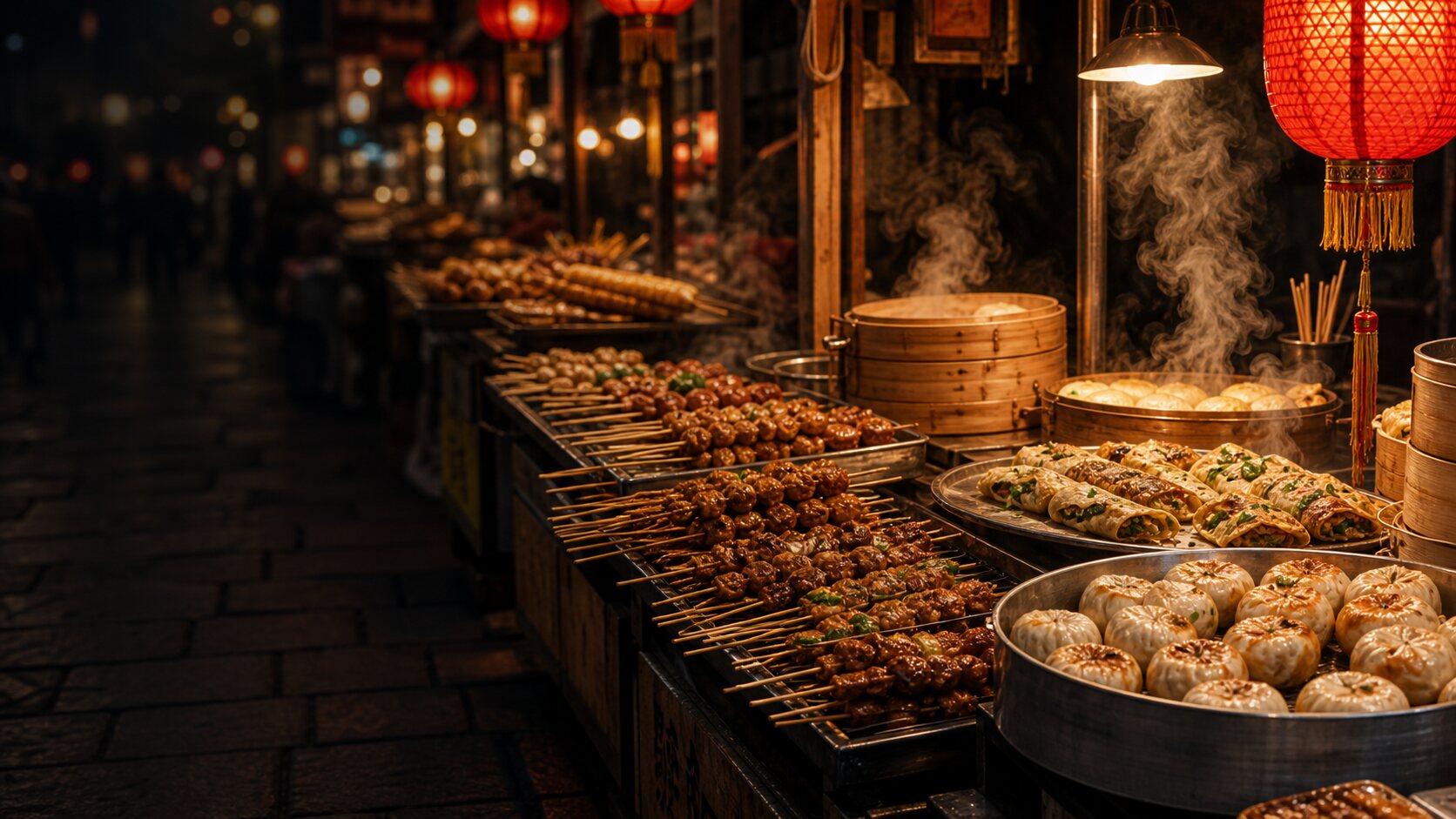 Chinese Street Food
Street food is where daily life becomes visible: portable dishes, market sounds, night lights, local queues, and regional specialties.
Chinese Street Food
Street food is where daily life becomes visible: portable dishes, market sounds, night lights, local queues, and regional specialties.
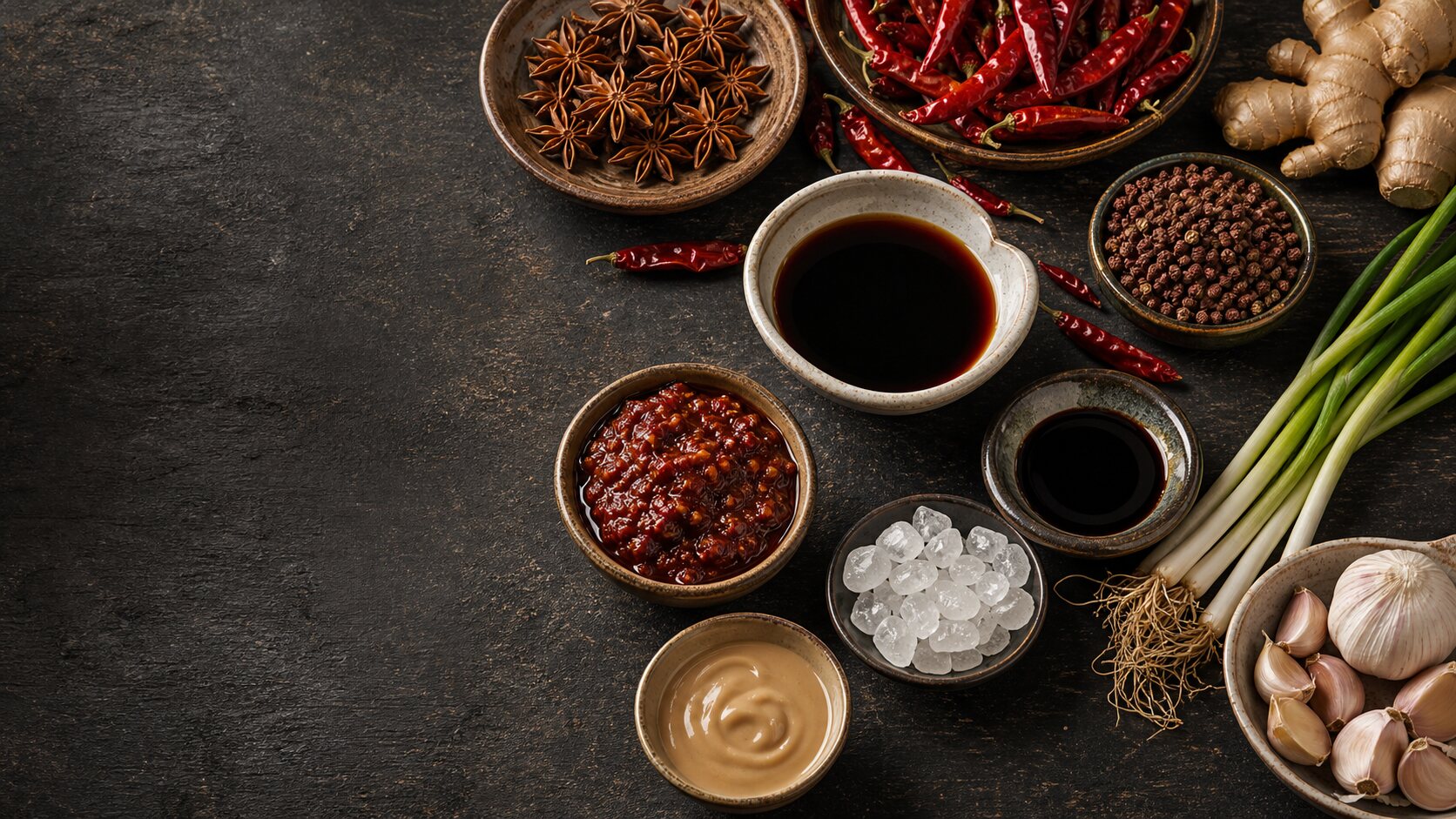 Chinese Ingredients
Chinese cooking becomes easier to understand when the pantry is visible: soy sauce, vinegar, doubanjiang, sesame, ginger, scallion, rice, wheat, tofu, and pickles.
Chinese Ingredients
Chinese cooking becomes easier to understand when the pantry is visible: soy sauce, vinegar, doubanjiang, sesame, ginger, scallion, rice, wheat, tofu, and pickles.
Places connected to this theme
Cities and regions act as containers for food, objects, scenery, craft, architecture, and daily rhythm.
 Chengdu
A cultural setting for Food & Tea: local food, objects, architecture, streets, and daily rhythm.
Chengdu
A cultural setting for Food & Tea: local food, objects, architecture, streets, and daily rhythm.
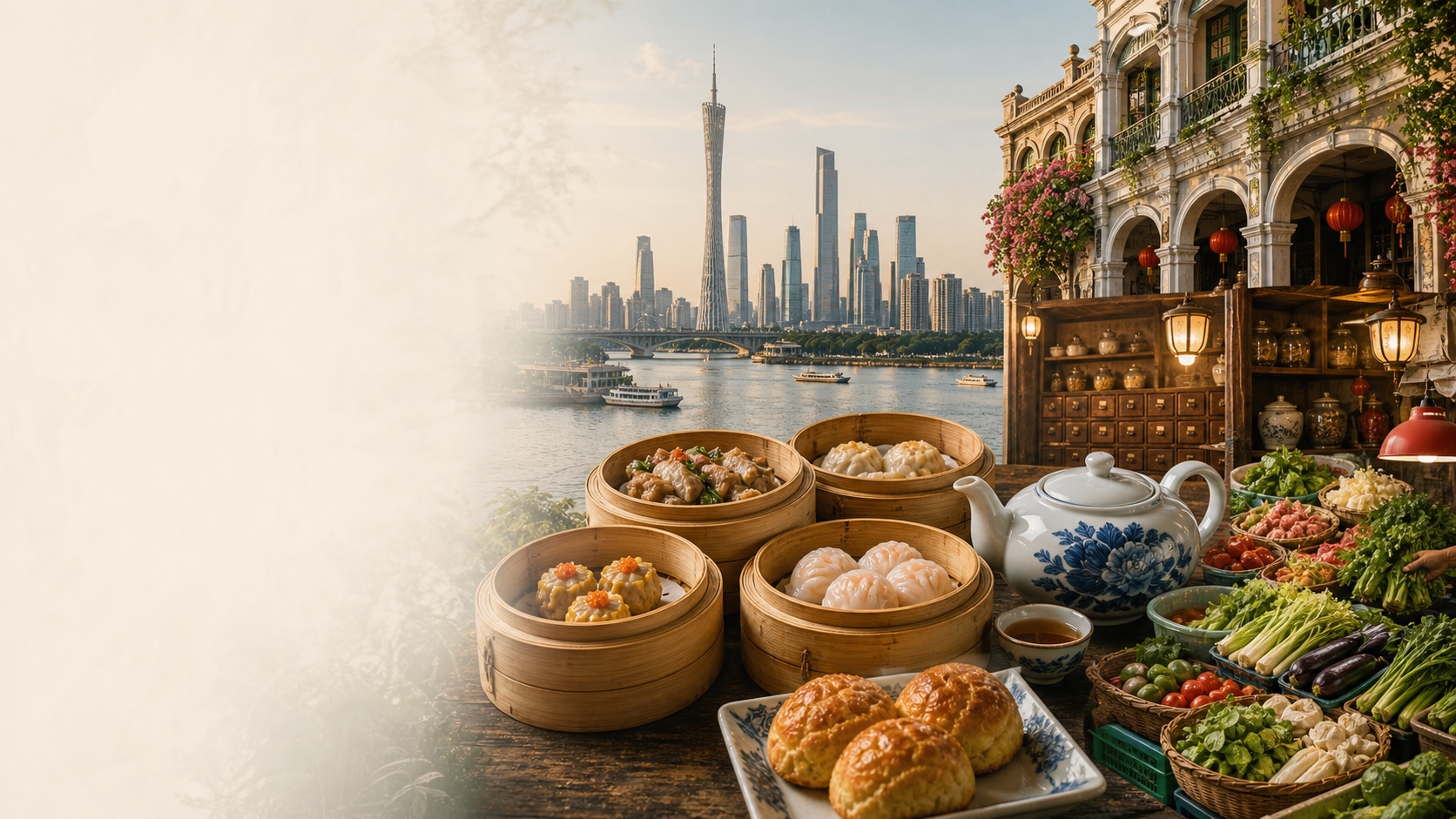 Guangzhou
A cultural setting for Food & Tea: local food, objects, architecture, streets, and daily rhythm.
Guangzhou
A cultural setting for Food & Tea: local food, objects, architecture, streets, and daily rhythm.
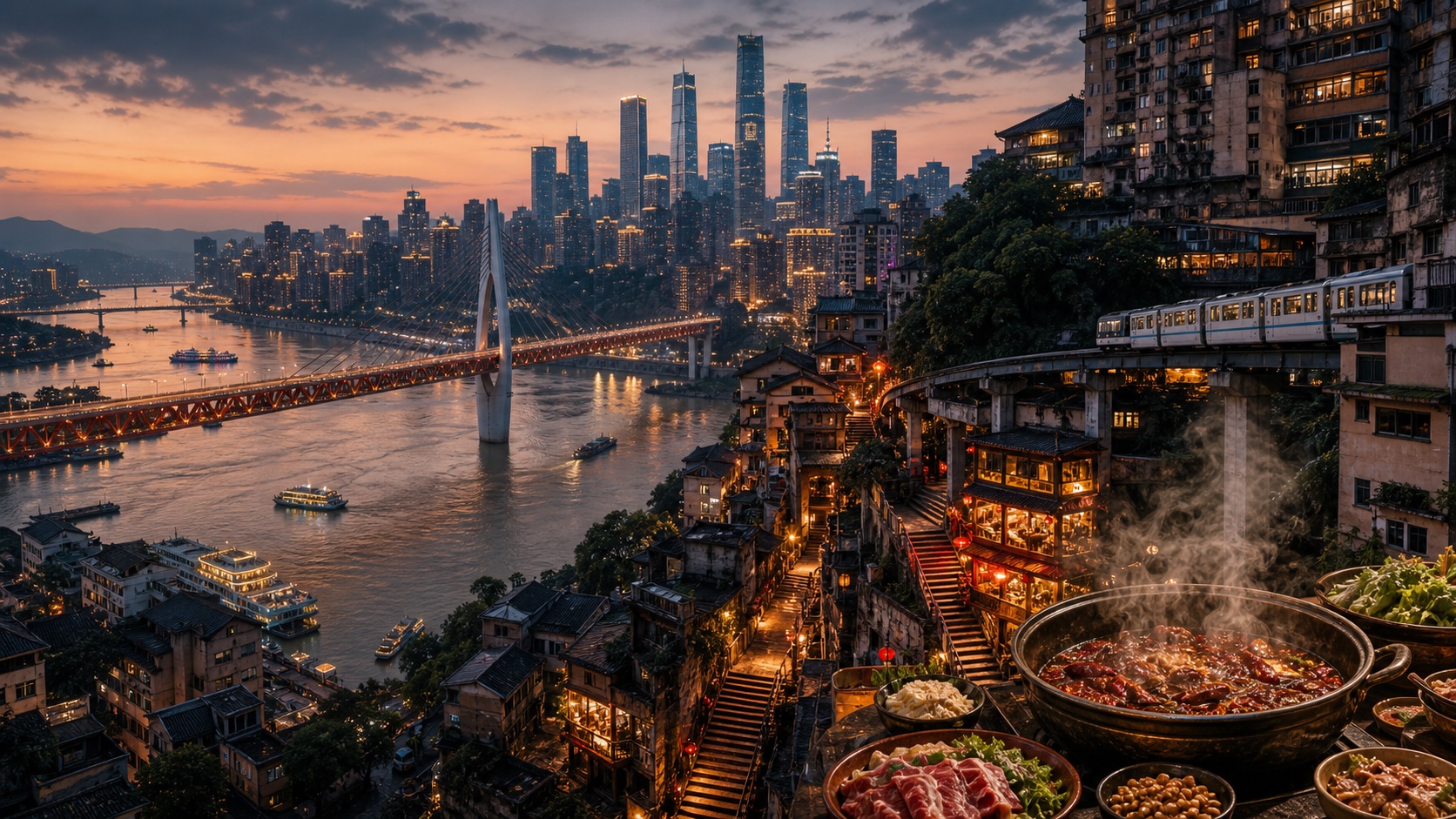 Chongqing
A cultural setting for Food & Tea: local food, objects, architecture, streets, and daily rhythm.
Chongqing
A cultural setting for Food & Tea: local food, objects, architecture, streets, and daily rhythm.
 Shanghai
A cultural setting for Food & Tea: local food, objects, architecture, streets, and daily rhythm.
Shanghai
A cultural setting for Food & Tea: local food, objects, architecture, streets, and daily rhythm.
Latest Food & Tea stories
All stories